Mastering the Prime Rib Roll
Prime Rib Selection
Choosing the Perfect Roast
A spectacular prime rib dinner begins long before the oven is preheated. It starts at the butcher counter. Selecting the right cut of meat is the single most important step in guaranteeing a tender, flavorful, and memorable meal. Let's walk through what to look for.
Decoding Beef Grades
In the United States, the Department of Agriculture (USDA) grades beef based on quality, primarily looking at the amount of intramuscular fat, or marbling. For a prime rib, you'll generally encounter three grades:
Prime: This is the highest grade. Prime beef has abundant marbling, which makes it incredibly tender, juicy, and flavorful. It's what you'll find at high-end steakhouses and specialty butcher shops. If it's in your budget, it's worth the splurge for a special occasion.
Choice: This is the most widely available grade in supermarkets. It has less marbling than Prime but is still high-quality. A Choice grade prime rib can be excellent, especially if you pick a well-marbled one.
Select: This grade is much leaner with very little marbling. While fine for some cooking methods, it's not ideal for prime rib, as it can turn out dry and less tender.
The key takeaway here is to look for the best grade you can find and afford. The grade directly impacts the marbling, which is crucial for a great roast.
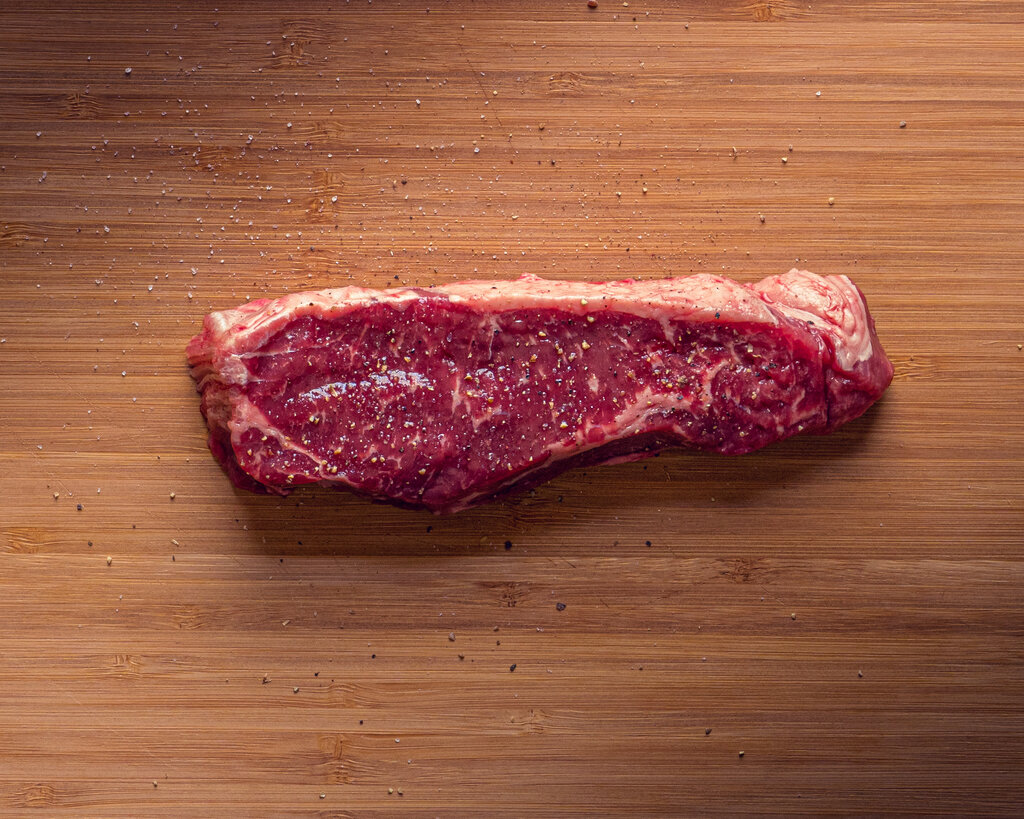
Marbling refers to the specks and streaks of white fat within the red muscle of the meat. It's not the thick cap of fat on the outside, but the fat woven throughout. As the prime rib cooks, this fat melts. This process does two wonderful things: it bastes the meat from the inside out, keeping it moist and juicy, and it delivers a rich, beefy flavor. The more marbling a roast has, the more tender and flavorful it will be.
Marbling, or the amount of white fat that appears in a cut of steak, is essential for both tenderness and flavor.
Bone-In or Boneless
Once you've settled on a grade, the next decision is whether to get a roast with the bones attached or a boneless one. Both can produce a fantastic result, but they have key differences.
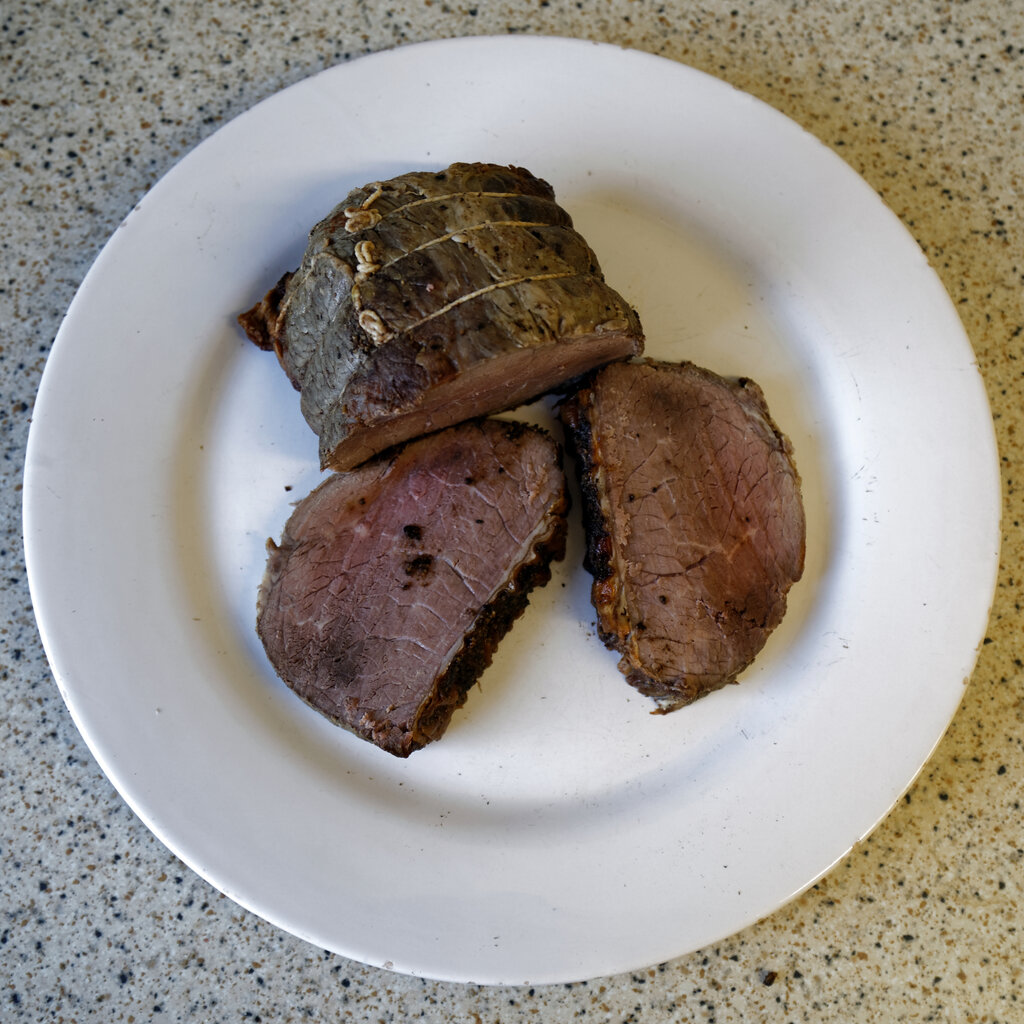
A bone-in prime rib, often called a standing rib roast, has the rib bones still attached. Many chefs prefer this cut for a few reasons. The bones act as a natural rack, elevating the meat from the bottom of the pan. They also insulate the meat, which can lead to more even cooking and prevent that section from drying out. Some people also believe the bones add more flavor as the roast cooks, though this is a point of debate.
A boneless prime rib, sometimes called a ribeye roast, is the same cut of meat with the bones removed. Its main advantage is convenience. It's much easier to carve and serve without having to navigate around bones. While it might cook slightly faster than a bone-in roast, the flavor difference is usually negligible to most eaters.
| Feature | Bone-In (Standing Rib Roast) | Boneless (Ribeye Roast) |
|---|---|---|
| Flavor | May add subtle, rich flavor | Excellent beef flavor |
| Tenderness | Bones insulate, promoting even cooking | Cooks uniformly if tied properly |
| Carving | More difficult | Simple and straightforward |
| Convenience | Serves as its own roasting rack | Easy to handle and portion |
Ultimately, the choice is yours. If you value presentation and potentially more flavor, go for bone-in. If you prioritize ease of carving, boneless is a great option.
How Much to Buy
The final step is figuring out what size roast you need. A good rule of thumb can prevent you from buying way too much or, even worse, not enough.
For a bone-in prime rib, plan on about 1 pound per person. This accounts for the weight of the bone and some shrinkage during cooking.
For a boneless prime rib, you can plan on about a 1/2 pound per person.
These are generous estimates that should leave you with some leftovers. If you have very hearty eaters or want plenty of extra for sandwiches, you might want to add another half-pound or so to your total.
A three-rib roast (bone-in) typically weighs 6 to 7 pounds and will serve about 6 people.
What is the primary factor the USDA uses to determine the quality grade of beef like prime rib?
According to the provided text, what is the main advantage of choosing a boneless prime rib roast?
With the right grade, marbling, and size, you're well on your way to a perfect prime rib.