Mastering the PMP Exam
Project Management Fundamentals
What Makes a Project?
At its core, a project is a temporary journey with a specific destination. It’s a series of tasks designed to produce a unique product, service, or result. Two words are key here: temporary and unique.
Project
noun
A temporary endeavor undertaken to create a unique product, service, or result.
"Temporary" means every project has a definite beginning and end. It’s not a routine, ongoing activity. For example, building a new bridge is a project. Once the bridge is built, the project is over. Maintaining the bridge, however, is an ongoing operation.
"Unique" means the project's output is something new. It hasn't been done in the exact same way before. Even if your company has built a hundred bridges, the next one will have a different location, different design specifications, or different challenges to overcome. This uniqueness is what distinguishes projects from the day-to-day work that keeps a business running.
The Role of a Project Manager
If a project is a journey, the project manager is the guide. They are the person responsible for steering the project from its starting point to its successful completion. They don't do all the work themselves, but they orchestrate it.
Think of a film director. The director doesn't act in every scene, operate the camera, or compose the score. Instead, they coordinate the actors, crew, and editors to bring a single, cohesive vision to life. A project manager does the same for a project, ensuring all the different pieces come together correctly.
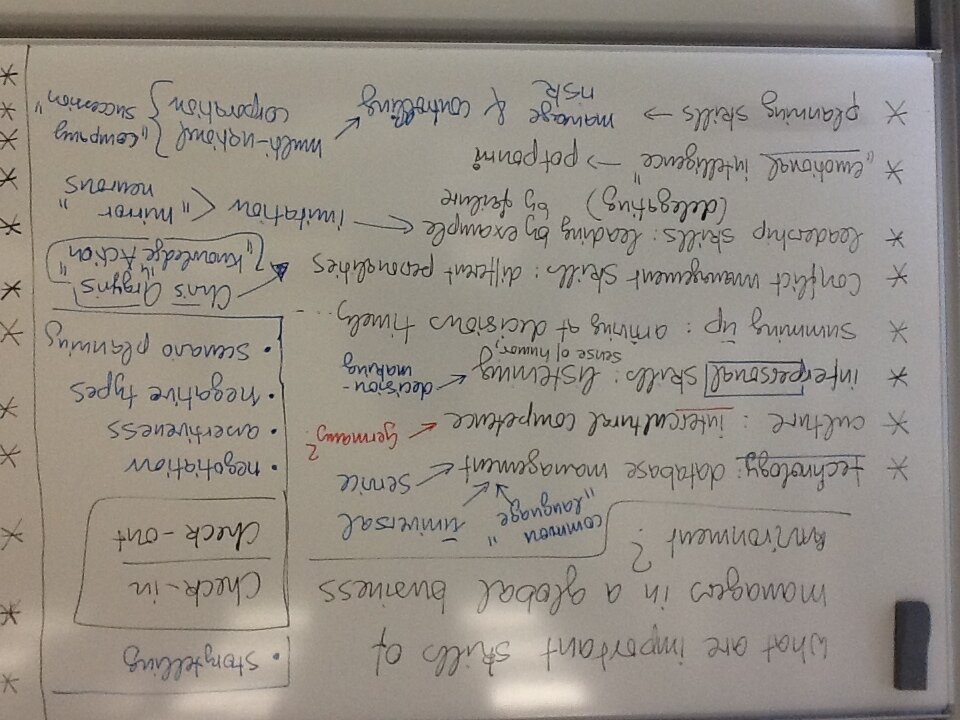
The project manager's core job is to balance the project's constraints: scope (what are we building?), time (how long will it take?), and cost (what's the budget?). They are responsible for planning the work, assembling the right team, managing risks, and communicating with everyone involved, from team members to executives. Their ultimate goal is to deliver the project's intended value on time and within budget.
A Project's Life Cycle
Every project, big or small, follows a similar path from start to finish. This path is called the project life cycle, and it's typically broken down into five distinct phases. Understanding these phases helps organize the work and ensure nothing gets missed.
1. Initiation: This is the starting line. The project is officially defined and authorized. Key stakeholders agree on the project’s purpose and high-level goals. Is this project feasible and does it align with the organization's strategy? The initiation phase answers these big questions.
2. Planning: Here's where the roadmap is drawn. The project manager and team develop a detailed plan covering everything: the scope of work, a schedule, the budget, required resources, potential risks, and a communication plan. A solid plan is the foundation for a successful project.
3. Execution: The team gets to work. This phase is all about creating the project's deliverables, whether that's building software, constructing a building, or launching a marketing campaign. This is often the longest phase of the life cycle.
4. Monitoring and Controlling: This phase happens at the same time as execution. The project manager tracks progress against the plan, measuring performance and making adjustments as needed. Are we on schedule? Are we staying within budget? If not, the manager takes corrective action to get the project back on track.
5. Closing: The finish line. The project work is complete, and the final product is delivered. The team formally closes the project by getting final approvals, releasing the project team, and documenting lessons learned to help improve future projects.
By understanding these fundamentals, you have a solid framework for thinking about any project, from planning a small party to managing a multi-million dollar corporate initiative.