Mastering the Planning Process
Introduction to Planning
What Is Planning?
Planning is the process of deciding what to do and how to do it before you take action. Think of it like planning a road trip. You don't just get in the car and drive. You figure out your destination, map the best route, estimate how long it will take, and decide where you'll stop along the way. In business, planning serves the same purpose: it creates a roadmap for achieving goals.
Planning is the process of deciding in advance what is to be done, when, where, how to be done by whom.
At its core, planning bridges the gap between where an organization is now and where it wants to be in the future. It involves setting objectives and then determining the specific actions, resources, and timelines needed to meet them. Without a plan, an organization is like a ship without a rudder, reacting to events rather than proactively charting its own course.
Why Planning Matters
Planning is a fundamental function of management. It provides direction, reduces uncertainty, minimizes waste, and sets the standards for control. When everyone in an organization understands the goals and the plan to achieve them, they can coordinate their efforts and work together effectively.
A good plan helps managers allocate resources like money, staff, and equipment efficiently. It forces them to think ahead, anticipate change, and consider the potential impact of their decisions. This foresight allows organizations to better handle challenges and seize opportunities.
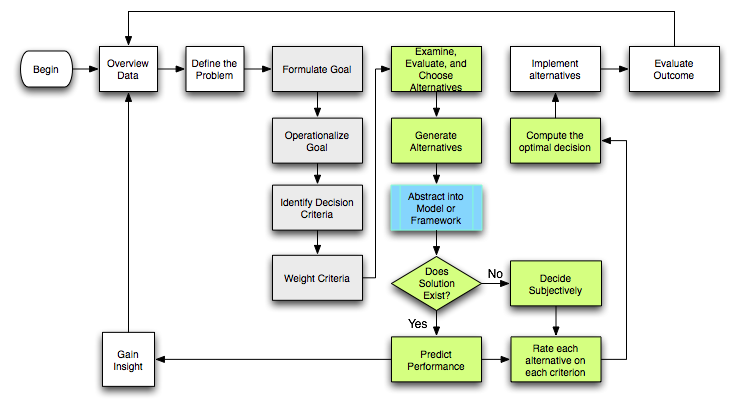
By establishing clear objectives, planning also provides the benchmarks against which progress can be measured. Managers can track performance, compare it to the plan, and take corrective action when things aren't on track. This control function is impossible without an initial plan.
Types of Planning
Planning happens at different levels within an organization and covers different time horizons. The three main types are strategic, tactical, and operational planning. They form a hierarchy, with the broad strategic plan guiding the more specific tactical and operational plans.
Let's break down each type.
Strategic planning is about the big picture. It sets the long-term direction for the entire organization. Top-level executives typically create strategic plans, which might cover a period of three to five years or more. These plans define the organization's mission, vision, and major goals, such as entering a new market or becoming an industry leader.
With the strategic plan in place, the focus shifts to implementation.
Tactical planning translates the broad strategic goals into more specific, actionable plans, usually for a one- to three-year timeframe. Middle managers are responsible for tactical planning. For example, if the strategic goal is to increase market share, a tactical plan might involve launching a new marketing campaign or developing a new product feature. It answers the question: "What will we do to achieve our strategic goals?"
Finally, we get to the day-to-day details.
Operational planning is highly specific and short-term, focusing on the daily and weekly tasks required to achieve tactical objectives. This is the domain of frontline managers and supervisors. An operational plan could include creating weekly employee work schedules, managing inventory, or setting daily production targets. It's all about how the work gets done.
| Planning Type | Time Horizon | Scope | Lead by |
|---|---|---|---|
| Strategic | Long-term (3-5+ years) | Entire organization | Top-level executives |
| Tactical | Mid-term (1-3 years) | Departments/Divisions | Middle managers |
| Operational | Short-term (daily, weekly) | Specific tasks/teams | Frontline supervisors |
These three types of planning are not independent. They are interconnected and must align for an organization to be successful. A solid operational plan executes the tactical plan, which in turn moves the organization closer to its long-term strategic goals.
Ready to check your understanding?
What is the primary purpose of planning in a business context?
A marketing department creates a year-long plan that outlines the specific campaigns, budgets, and resources needed to achieve the company's broader five-year goal of increasing market share. This is an example of what type of planning?