Mastering the Pipeline
Introduction to the Parable
A Tale of Two Workers
In a small village, two ambitious young cousins named Pablo and Bruno dreamed of a better life. They were hard workers, always looking for an opportunity to improve their situation. That opportunity arrived when the village elders hired them to carry water from a nearby river to a large cistern in the town square.
The job was simple: the more buckets of water they carried, the more money they earned. It was tiring work, hauling heavy buckets back and forth all day. Bruno was content. The pay was good, and he could buy what he wanted. He figured if he just got bigger buckets and worked a little harder, he could increase his income and achieve his dreams faster. For him, this was the path to security.
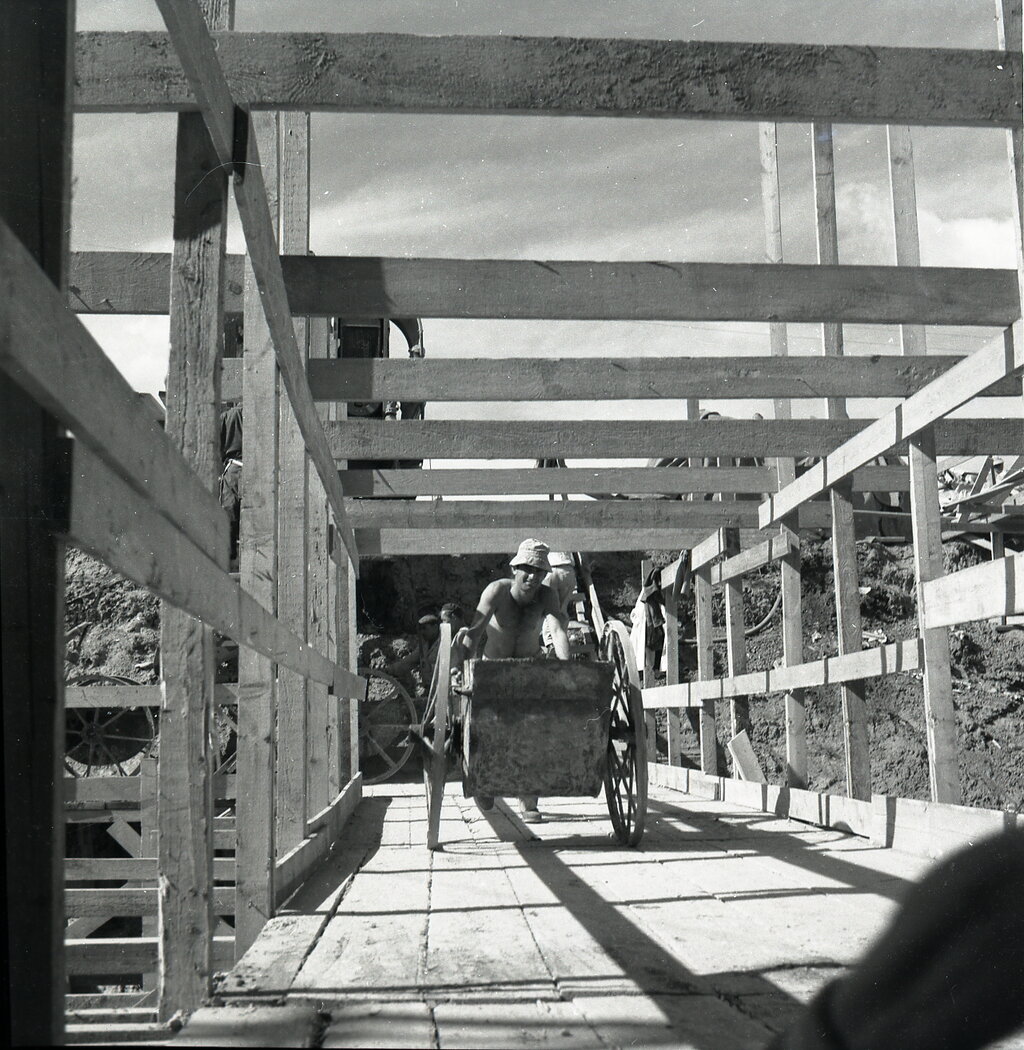
Pablo, however, wasn't satisfied. His back ached, and his hands were blistered. He knew there had to be a better way. One day, an idea struck him: what if he could build a pipeline to bring the water from the river directly to the village? It was a radical thought. Building a pipeline would be incredibly difficult. It would mean working nights and weekends for very little immediate reward.
Buckets vs. a Pipeline
Bruno laughed at Pablo’s idea. "A pipeline?" he scoffed. "We have a great job! I can earn a hundred dollars a day. I'm rich! By the end of the week, I can buy new shoes. By the end of the month, a cow. Don't waste your time with this pipeline nonsense."
Bruno’s path was one of immediate gratification. His income was directly tied to his effort. If he stopped carrying buckets, the money stopped. This is the essence of active income: you trade your time and labor for money. It's a linear, one-to-one exchange.
Bruno's strategy was simple: bigger buckets and more trips. He lived for today.
Pablo chose a different path, one of delayed gratification. He continued to carry buckets to earn a living, but he dedicated all his spare time and energy to building his pipeline. The villagers mocked him, calling him "Pablo the Pipeline Man." Progress was slow, and for a long time, he had little to show for his extra work.
But Pablo kept his eyes on the future. He understood that he was building an asset. An asset is something that puts money in your pocket, whether you are actively working or not. His pipeline, once completed, would be an asset that generated income 24 hours a day, 7 days a week.
Asset
noun
A resource with economic value that an individual owns or controls with the expectation that it will provide a future benefit.
The Payoff
Months turned into years. Finally, the day came when Pablo's pipeline was finished. He no longer needed to carry buckets. He turned on the spigot, and water flowed into the village, and money flowed into his pockets.
The pipeline provided a continuous stream of income. It worked while he slept, ate, and went on vacation. While Pablo's income grew, Bruno's situation worsened. His back was now hunched from years of heavy lifting, and he was forced to take smaller and smaller jobs. He was trapped in the bucket-carrying cycle, with no way out.
The parable's lesson is clear and powerful. You can spend your life carrying buckets, or you can build a pipeline. The bucket-carrying approach provides immediate income but offers no long-term security. The pipeline approach requires vision, sacrifice, and patience, but it ultimately leads to financial freedom.
Time to check your understanding of the core ideas from this story.
What is the fundamental difference between Pablo's and Bruno's approaches to earning money?
In the story, Bruno's method of carrying buckets is a direct analogy for which financial concept?
This simple story forms the foundation for understanding wealth. In the articles that follow, we'll explore how to apply these principles to build your own financial pipelines.