Mastering the Pipe-Filter Pattern
Introduction to Software Architecture
The Blueprint of an Application
Before constructing a skyscraper, an architect draws a detailed blueprint. This plan outlines the building's structure, foundation, electrical systems, and plumbing. It dictates how different parts connect and work together to create a safe and functional space. Without this blueprint, the project would be chaotic and likely collapse.
Software architecture is the blueprint for a software system. It's the high-level plan that defines the structure, components, and interactions of an application. A software architect makes crucial decisions about how the system will be built, ensuring it can meet its goals, whether that's serving millions of users or processing complex data securely.
Good architecture makes a system robust, scalable, and easier to maintain. Poor architecture can lead to a system that is slow, buggy, and difficult to change or update.
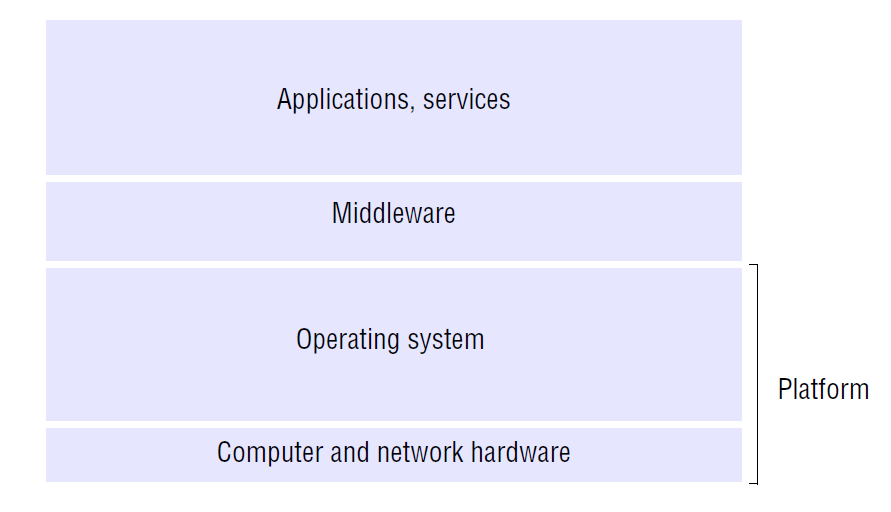
Just as a building architect decides between a single-family home or a towering skyscraper based on the need, a software architect chooses the right structure for the job. This decision impacts everything that comes after, from development speed to the final user experience.
Common Architectural Patterns
Architects don't reinvent the concept of a skyscraper for every new project. They rely on established principles and designs that have been proven to work. In software, these established designs are called architectural patterns. They are reusable solutions to common problems encountered in software design.
Think of them as templates. Instead of starting from a blank page, developers can use a pattern as a guide. This saves time and helps avoid common pitfalls. These patterns provide a shared language for developers, making it easier to discuss and plan complex systems.
Architectural patterns are reusable solutions to common problems in software architecture design.
There are many different patterns, each suited for different types of problems. For example, the Client-Server pattern is common for web applications where a central server provides data to many clients (like your web browser). The Microservices pattern breaks a large application into smaller, independent services that communicate with each other.
One simple yet powerful pattern is the Pipe-and-Filter architecture. In this design, a system is structured as a series of processing steps. Each step, or "filter," performs a specific task on the data. The data flows from one filter to the next through a "pipe," much like water flowing through a series of purification stages.
This pattern is great for data processing tasks. Each filter is independent, so it can be developed, tested, and even replaced without affecting the others. This modularity is a key benefit of using architectural patterns.
Why Patterns Matter
Choosing the right architectural pattern is a critical first step in system design. It helps ensure the final product is reliable, scalable, and easy to work with.
By providing a proven structure, patterns allow developers to focus on solving the unique business problems at hand, rather than wrestling with the fundamental organization of the code. They are the foundation upon which strong, successful software is built.
What is the primary role of software architecture in a project?
An architectural pattern is best described as a...