Mastering the Philosophy and Mechanics of Money
Origins of Value
The Barter Problem
Before money, there was trade. If you were a skilled shoemaker and needed bread, you'd find a baker and propose a swap. This system, called barter, works well enough on a small scale. But what if the baker didn't need shoes? What if they needed a new roof, and you couldn't help with that?
This is the core challenge of barter: the double coincidence of wants problem. For a trade to happen, you not only have to find someone who has what you want, but that person also has to want what you have. As societies grew, this became a huge bottleneck, making it incredibly difficult to trade efficiently.
The double coincidence of wants means that for a barter exchange to occur, each party must have something the other desires.
To solve this, people started using an intermediary. Instead of trading shoes directly for bread, the shoemaker could trade shoes for something universally valued, like salt or grain. Then, they could trade that salt or grain for anything they needed, because everyone agreed it was valuable. This was the birth of commodity money—an item with value outside of its use as money.
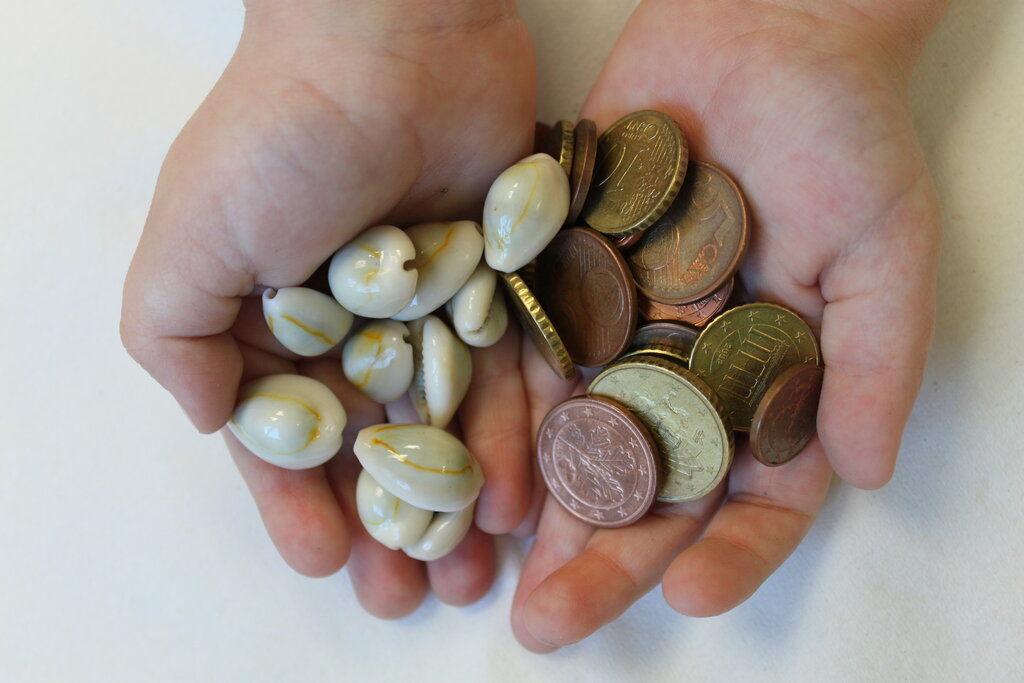
What Makes Good Money?
Not just any commodity works as money. A sack of potatoes isn't a great choice because it's heavy and will eventually rot. Over time, societies gravitated toward items with specific, useful characteristics.
| Characteristic | Why It Matters |
|---|---|
| Durability | It must withstand being passed around without falling apart. |
| Portability | It needs to be easy to carry for transactions. |
| Divisibility | It should be easily divided into smaller units for different values. |
| Uniformity | Each unit must be the same as the next. One chunk of gold is like any other. |
| Limited Supply | Its value is maintained because it isn't easy to find or create. |
| Acceptability | Everyone must agree to accept it as payment. |
This collective agreement is key. Money isn't valuable because of its inherent physical properties alone. It’s valuable because we all believe it’s valuable. It’s a shared psychological construct.
From Things to Symbols
Carrying around bags of salt or herds of cattle is cumbersome. The next logical step was to use something that represented the value of those commodities. This led to the creation of —a certificate or token that can be exchanged for an underlying commodity.
Early bankers or wealthy merchants would issue paper notes that could be redeemed for a specific amount of gold or silver stored in their vaults. This was far more portable and convenient. The paper itself wasn't valuable, but the promise it represented was.
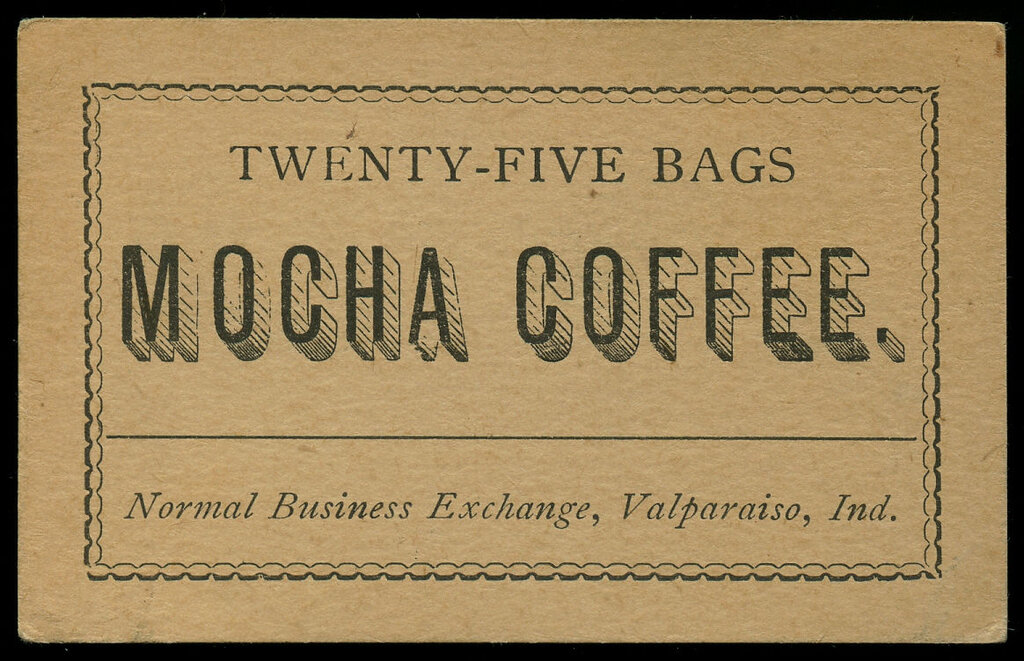
This shift from commodity money to representative money was a major leap. It moved the concept of value from a physical object to an abstract promise. This set the stage for modern financial systems, where the link to a physical commodity would eventually be broken entirely.
A skilled carpenter needs milk, but the local dairy farmer doesn't need any woodwork done. This scenario best illustrates which core problem of a barter system?
What is commodity money?
This foundational agreement on value, starting with simple commodities and evolving into symbolic representations, underpins all of modern economics.