Mastering the Perfect Omelet
Egg Basics
What's in an Egg?
Before we can master cooking eggs, we need to understand what they're made of. At its core, an egg is a simple package with three main parts: the shell, the white, and the yolk. Each has a distinct role, both for the chick that would have grown inside and for the cook in the kitchen.
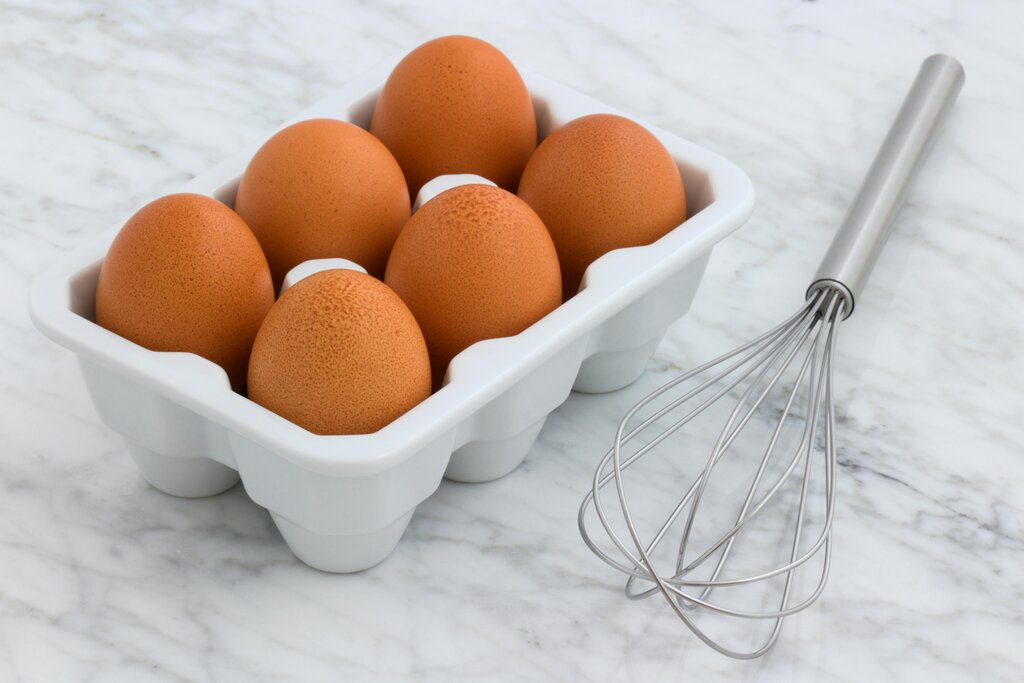
The outermost layer is the shell, a hard, protective covering. It might seem solid, but it's actually porous, allowing air and moisture to pass through. Just inside the shell are thin membranes that provide another layer of defense against bacteria.
The egg white, known scientifically as the albumen, makes up most of an egg's liquid weight. It consists of about 90% water and 10% protein. This protein, primarily albumin, is what gives the egg white its structure when cooked.
Finally, the yolk is the vibrant, yellow center. It's the nutritional hub, packed with fats, vitamins, minerals, and about half of the egg's protein. The yolk is also a natural emulsifier, meaning it helps to blend ingredients like oil and water that wouldn't normally mix.
A Nutritional Powerhouse
Eggs are more than just a versatile ingredient; they're packed with essential nutrients that are vital for our bodies.
Eggs are often called “nature’s multivitamin” because they are rich in essential nutrients, including high-quality proteins, vitamins, and minerals.
The protein in eggs is considered a "complete" protein, meaning it contains all nine essential amino acids our bodies can't produce on their own. These are the building blocks for everything from muscle repair to hormone production.
While the white is almost pure protein and water, the yolk contains the majority of the vitamins and minerals. These include Vitamin D (important for bone health), Vitamin B12 (for nerve function), and choline, a crucial nutrient for brain health and development. The yolk is also where you'll find the fat content, which helps your body absorb those vitamins.
| Part | Key Nutrients |
|---|---|
| Egg White | Protein (albumin), Riboflavin (Vitamin B2) |
| Egg Yolk | Protein, Fats, Vitamins A, D, E, B12, Choline |
The Magic of Heat
So what happens when you crack an egg into a hot pan? The transformation from a clear, viscous liquid to a firm, opaque solid is a bit of kitchen chemistry. It's all about what heat does to proteins.
Denaturation
noun
The process where proteins lose their natural, folded structure due to external stress, such as heat, causing them to unravel and tangle together.
In a raw egg, proteins are like tiny, neatly coiled balls of yarn floating around in water. When you apply heat, these coils unwind and straighten out. The long, unraveled protein strands then bump into each other and link up, forming a mesh-like network. This network traps water, which is what turns the egg white from clear and runny to white and firm.
The same process happens in the yolk, but because the yolk also contains fats and emulsifiers, it cooks into a creamier, richer solid. The temperature at which this happens is different for the white and the yolk.
Egg whites begin to set around 144°F (62°C), while yolks need a slightly higher temperature, starting to thicken around 149°F (65°C). This difference is why you can have a fully cooked white with a runny yolk.
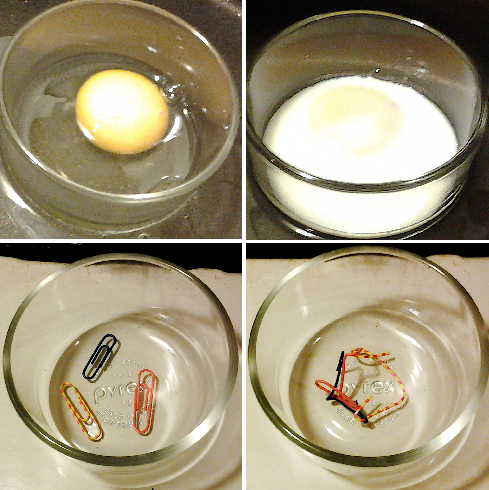
Understanding this process is the key to controlling the final texture of your eggs. A gentle, low heat gives the proteins time to set slowly, resulting in a tender texture. High, aggressive heat makes them contract quickly and squeeze out water, leading to a tougher, sometimes rubbery result.
Time to check your understanding of these egg essentials.
What makes up the vast majority of an egg white (albumen)?
Where are most of an egg's vitamins and minerals, like Vitamin D and choline, concentrated?
With this foundation, you're ready to explore how these properties come into play when making the perfect omelet.