Mastering the Path of Sreyas
Sreyas Versus Preyas
The Two Paths
Every day, you stand at a crossroads. One path is wide, easy, and full of immediate pleasures. The other is narrow, requires effort, and its rewards are not always visible. The frames this fundamental human choice as a dialogue between a young boy, Nachiketa, and Yama, the god of death. Yama presents these two paths clearly.
The good is one thing, the pleasant another; these two, having different purposes, bind a man. Of these, it is well for him who takes hold of the good; he who chooses the pleasant misses his end.
This is the core distinction: Sreyas (the good) versus Preyas (the pleasant). They aren't just options; they are fundamentally different ways of navigating life.
The Lure of the Pleasant
Preyas is the path of sensory gratification. It's the voice that whispers, "take the easy way out." It prioritises short-term comfort, immediate rewards, and the desires of the ego. Think of hitting the snooze button instead of waking up for a workout, choosing junk food over a healthy meal, or endlessly scrolling on social media instead of reading a book.
These choices aren't necessarily evil, but they are driven by impulse. Yama explains that the person who consistently chooses Preyas becomes entangled in the world of senses, chasing fleeting pleasures that never bring lasting satisfaction. They are drawn to what is immediately appealing, often at the cost of long-term well-being.
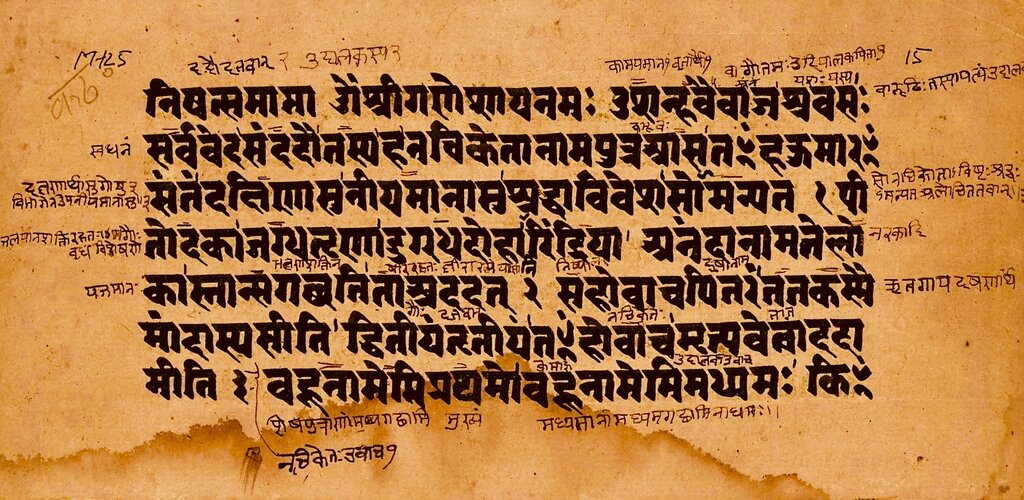
The path of Preyas is crowded because it's the path of least resistance. It requires no deep thought, only reaction. It feels good now, but as Yama warns, it leads one away from their true purpose.
Choosing the Good
Sreyas, in contrast, is the path of the transcendental good. It represents long-term spiritual welfare, ethical integrity, and actions that align with your higher self. It is often the harder choice. It’s getting up for that workout, choosing the nutritious meal, or having a difficult but honest conversation.
This path requires a crucial mental tool: Viveka (discrimination). Viveka is the intellectual and intuitive ability to distinguish between the real and the unreal, the permanent and the temporary, the good and the merely pleasant. It’s the calm, clear voice of wisdom that allows you to pause before acting on an impulse. It lets you analyse the situation and choose the action that leads to genuine growth, not just temporary pleasure.
The wise person, using Viveka, examines both paths. They understand the hollow nature of Preyas and deliberately choose Sreyas, even when it is difficult.
Making this choice isn't a one-time event. It’s a continuous process, a muscle that gets stronger with use. Every time you consciously choose Sreyas over Preyas, you strengthen your Viveka and move closer to understanding your true self. The path of the good leads to lasting peace and fulfilment, while the path of the pleasant leads only to more desire.
Ready to test your understanding?
In the Kathopanishad, what are the two fundamental paths of life presented by Yama to Nachiketa?
A student has an important exam tomorrow but is invited to a friend's last-minute party tonight. Choosing to stay home and study, despite the desire to go to the party, is an example of choosing which path?
The choice between the good and the pleasant is the fundamental challenge of a conscious life. By understanding the nature of these two paths, we can learn to navigate them with wisdom.