Mastering the Omelet
Egg Basics
The Perfect Package
Eggs, seemingly simple and unassuming, are nutritional powerhouses and versatile culinary ingredients that play a critical role in countless dishes worldwide.
Before you crack an egg into a pan, it helps to know what you're working with. Eggs are one of nature's most complete foods. They are packed with high-quality protein, which helps build muscle and keeps you feeling full.
The yolk and the white have different jobs. The vibrant yellow yolk is rich in fats, vitamins like A, D, E, and K, and minerals. The egg white, or albumen, is almost pure protein and water. Together, they create a balanced nutritional profile that's hard to beat.
What's Inside
An egg is more than just a yolk and a white. It's a complex structure designed to protect and nourish a potential chick. Understanding its parts helps you appreciate how it behaves in the kitchen.
Here's a quick rundown of the main parts:
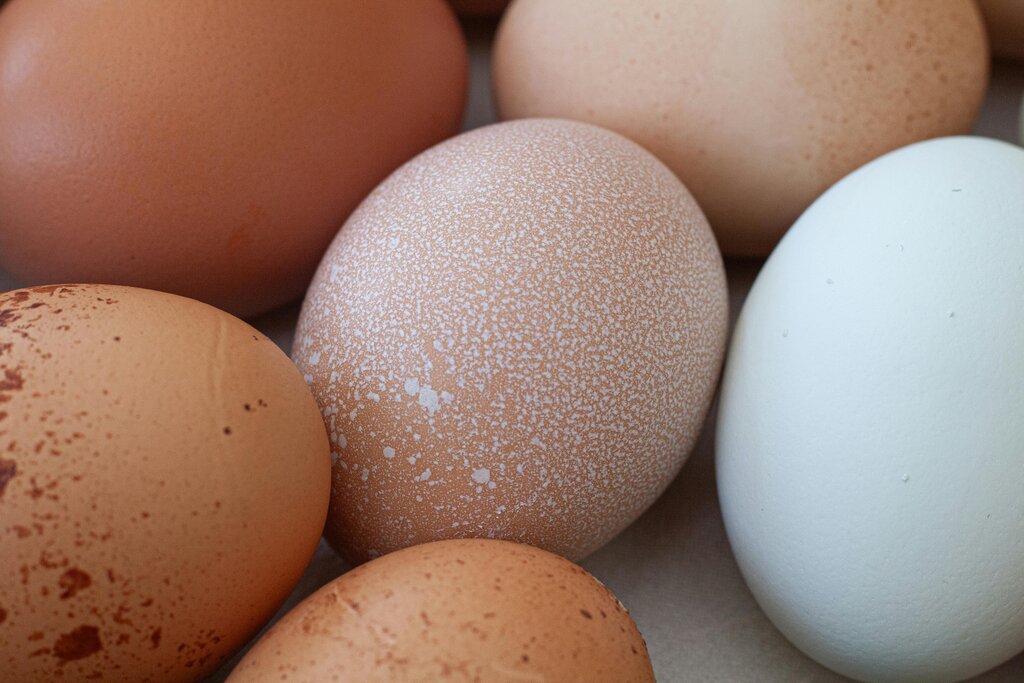
- Shell: The porous outer covering that allows air and moisture to pass through. Its color depends on the breed of hen and has no bearing on taste or nutrition.
- Albumen: This is the egg white. It comes in two layers: a thick one that surrounds the yolk and a thinner, more watery one.
- Yolk: The nutrient-dense center. Its color can range from pale yellow to deep orange, depending on the hen's diet.
- Chalazae: Two ropey strands of egg white that anchor the yolk in the center of the egg. The more prominent the chalazae, the fresher the egg.
Freshness and Storage
A fresh egg will always give you the best results, especially for dishes where the egg is the star. The air cell, that little pocket of air at the large end of the egg, gets bigger as the egg ages. You can use this fact to test for freshness with a simple float test.
Store eggs in their original carton on a middle shelf of your refrigerator, not in the door. The temperature on the door fluctuates too much, which can reduce their shelf life.
Playing It Safe
Eggs are safe to eat, but it's smart to handle them properly to avoid any risk of foodborne illness, like Salmonella. Chickens can carry these bacteria, which can sometimes contaminate the inside of an egg before the shell is even formed.
Here are a few simple rules:
- Wash your hands and any surfaces that come into contact with raw eggs.
- Cook eggs thoroughly. The USDA recommends cooking eggs until both the yolk and white are firm.
- Use pasteurized eggs if you're making a recipe that calls for raw or lightly cooked eggs, like Caesar dressing or homemade mayonnaise.
Now that you know the basics, you're ready to start cooking with confidence.