Mastering the Olympus E-M1X Professional System
Processor Dual Power
The Dual-Engine Advantage
At the heart of the Olympus OM-D E-M1X is a feature rarely seen outside of high-end servers: a dual-processor design. It runs on two TruePic VIII image processors working in tandem. Think of it like a professional kitchen with two head chefs instead of one. While a single chef can handle a busy service, two can coordinate to manage more complex orders, prepare them faster, and ensure nothing gets burned or delayed.
This parallel processing power is the key to the E-M1X's speed and intelligence. It allows the camera to handle massive amounts of data from the sensor, perform complex calculations for features like AI-based subject detection, and write to memory cards, all without a hint of lag. This dual-chip architecture provides significant performance headroom, meaning the camera isn't just fast—it feels effortless, even under demanding conditions.
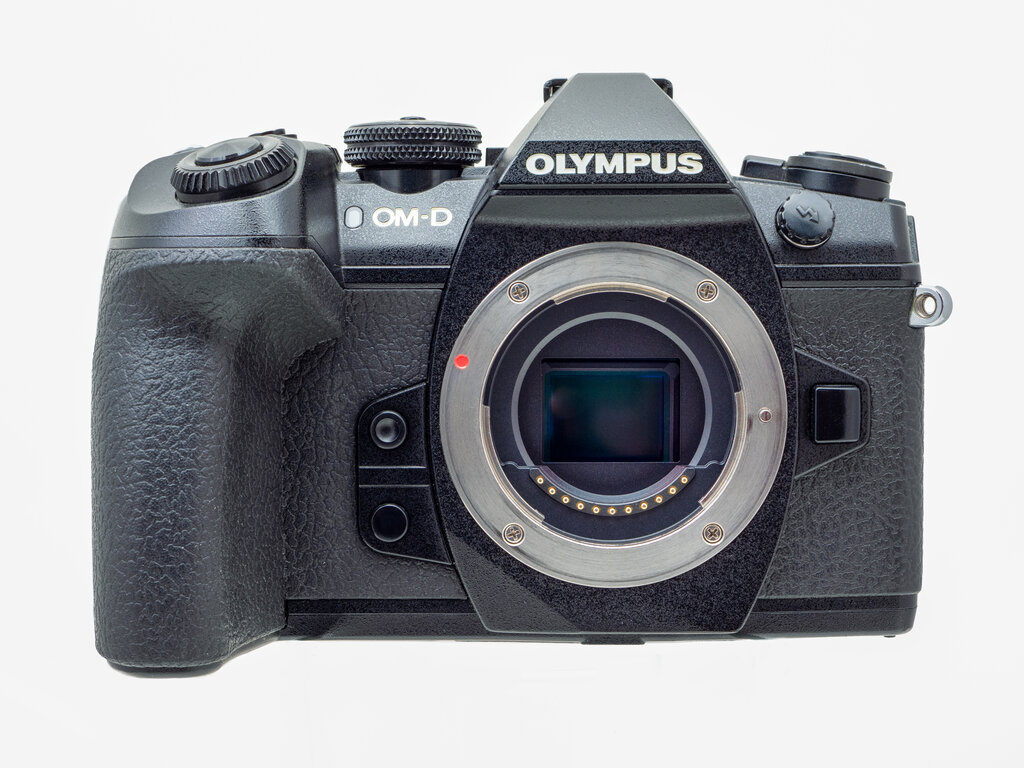
This setup unlocks capabilities that would choke a single-processor system. For instance, the camera can simultaneously process a live view feed, run sophisticated autofocus algorithms, and write high-resolution RAW files from a rapid-fire burst. The result is a more responsive and reliable tool for photographers who can't afford to miss a moment.
Managing the Data Flow
Having two processors is only half the battle. The camera also needs a way to get the data out quickly. The E-M1X addresses this with two SD card slots. Because both slots support the fastest available SD card standard, there's no performance penalty for writing to both cards simultaneously. This opens up several powerful configurations for managing your files in the field.
| Configuration | How It Works | Best For |
|---|---|---|
| Standard | Saves to one card until full, then switches to the next. | General use, maximizing total storage. |
| Auto Switch | Same as Standard. The camera automatically switches slots when one card is full. | Long events where you can't swap cards. |
| Dual Independent | Saves different file types to each card (e.g., RAW to Slot 1, JPG to Slot 2). | Shooters who need both file types but want to keep them organized separately. |
| Dual Same | Writes the exact same files to both cards simultaneously. | Critical shoots (weddings, journalism) where immediate backup is non-negotiable. |
For high-stakes shoots, the Dual Same setting is invaluable. It provides instant, in-camera backup. If one card fails, you have an exact copy on the other. For maximum speed during a high-speed burst, a wildlife or sports photographer might use Standard mode with two fast cards, allowing the camera to write a continuous stream of images without interruption until both cards are full.
Buffer Performance in the Field
Every digital camera has a buffer, which is a small amount of ultra-fast internal memory. When you shoot a burst of photos, the images are saved to this buffer first before being written to the slower SD card. A larger buffer lets you shoot more photos in a burst, but how fast the buffer clears determines when you can shoot the next burst.
This is where the E-M1X's dual processors and dual UHS-II slots shine. The processors can feed the data from the buffer to the cards at an incredible rate. When using two UHS-II cards, the camera can clear its buffer significantly faster than a single-slot camera. This means less downtime between bursts and a lower chance of missing a critical moment while waiting for the camera to catch up. For a professional, that minimized clearing time is the difference between getting the shot and watching it pass by.
Pro Tip: To maximize buffer clearing speed, always format your memory cards in the camera before a shoot. This ensures the card's file structure is perfectly optimized for the camera's writing process.
Now, let's review the key concepts we've covered.
Time to test your knowledge.
What is the primary advantage of the Olympus OM-D E-M1X's dual-processor design?
The camera's __________ is a small amount of ultra-fast internal memory that temporarily holds images from a burst shoot before they are written to the SD card.
Understanding the dual-processor architecture of the E-M1X isn't just about technical specs. It's about knowing how to configure the camera's powerful hardware to reliably capture incredible images under any condition.