Mastering the Old Fashioned Cocktail
Origins and Evolution
The Original Cocktail
To understand the Old Fashioned, you first have to understand the original definition of a cocktail. Back in 1806, a New York newspaper called The Balance and Columbian Repository defined a 'cock-tail' as a drink made of four things: spirits, bitters, water, and sugar. That's it. For decades, if you ordered a 'whiskey cocktail', this simple, strong concoction is what you would have received.
The original formula was straightforward: a spirit to provide the base, sugar to soften the edge, water for dilution, and bitters for a touch of medicinal complexity.
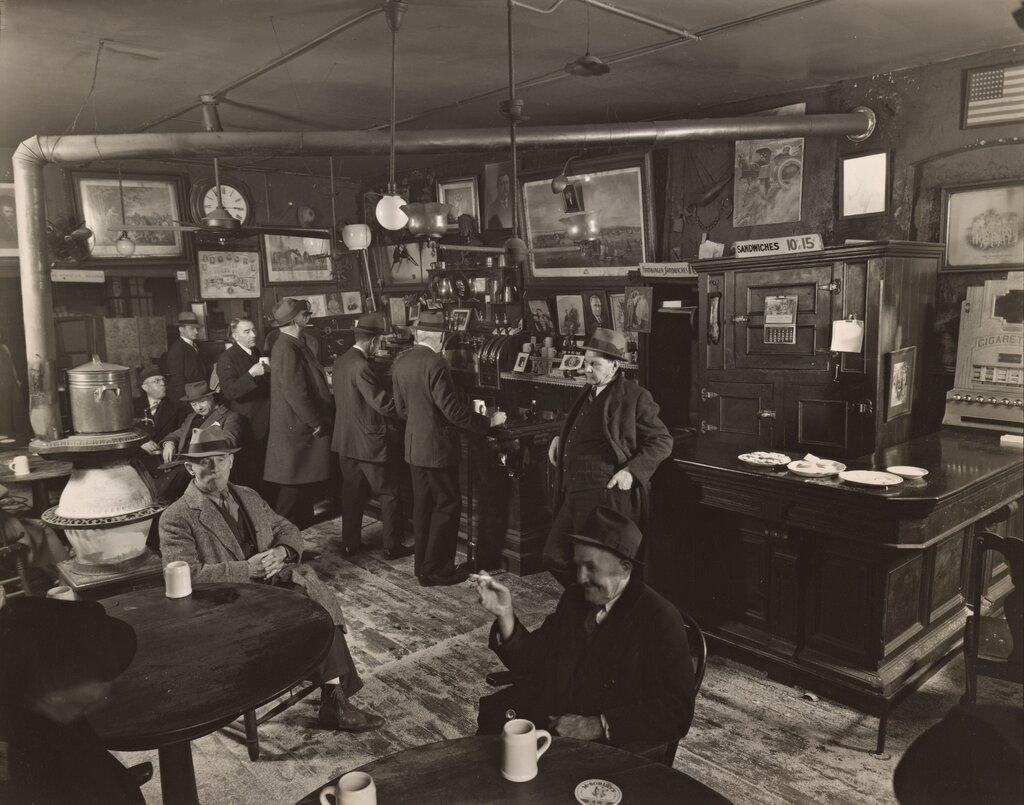
This drink didn't have a special name because it was the standard. It was just the cocktail. The idea was to complement the spirit, not hide it. The whiskey, rum, or brandy remained the star of the show.
Giving It a Name
By the late 1800s, bartending was becoming more creative. New ingredients like absinthe, curaçao, and various liqueurs started appearing in drinks. These new, fancier cocktails were exciting, but some drinkers still preferred the classic. They began asking bartenders for a cocktail made 'the old-fashioned way'.
The name stuck. The term 'Old Fashioned' became shorthand for that original 1806 recipe. While stories often credit the Pendennis Club in Louisville, Kentucky, with inventing the drink in the 1880s, it's more likely they simply popularized the name for a drink that had existed for nearly a century.
The Old Fashioned is one such drink: a genuine old timer, associated with the first generation of cocktails from the 1850s East Coast bars.
Prohibition's Twist
The arrival of Prohibition in 1920 changed everything. With alcohol production outlawed, the quality of available spirits dropped dramatically. Bootleg liquor was often harsh and unpalatable. To make these rough spirits drinkable, bartenders and home mixers started adding more ingredients to their cocktails.
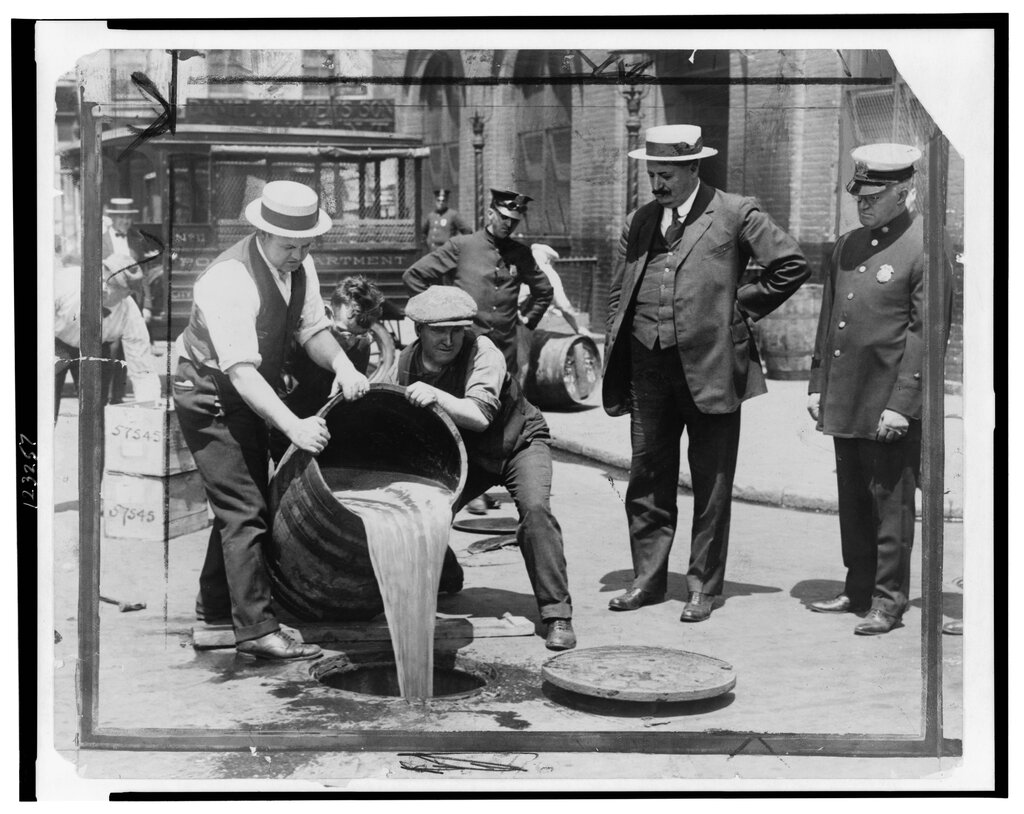
For the Old Fashioned, this meant adding fruit. Bartenders began muddling oranges and cherries directly in the glass, along with extra sugar or even soda water. This sweeter, fruitier version helped mask the flavor of low-quality whiskey. While it strayed far from the original recipe, this version of the drink became popular and persisted for decades after Prohibition ended.
A Modern Comeback
In the early 21st century, a renewed interest in classic cocktails brought the Old Fashioned back into the spotlight. A cocktail renaissance, coupled with its prominent feature in popular culture like the TV show Mad Men, helped re-establish its status. Bartenders and enthusiasts began stripping away the extra fruit and sugar, returning to the spirit-forward simplicity of the original 1800s recipe.
This revival celebrated the core idea of the drink: a beautifully simple way to enjoy a quality spirit. The focus shifted back to the balance between whiskey, a touch of sweetness, and the complex spice of bitters.
Ready to test your knowledge on the history of this classic drink?
According to the original 1806 definition, what were the four essential ingredients of a 'cock-tail'?
Why did drinkers in the late 1800s start asking for their cocktail made 'the old-fashioned way'?
Today, the Old Fashioned stands as a testament to timeless simplicity, a direct link to the very dawn of the cocktail era.