Mastering the Old Fashioned
Origins and Evolution
The Original Cocktail
Before there were countless cocktails with exotic ingredients, there was just... the cocktail. The word first appeared in print in 1806, and it had a very specific meaning. A cocktail was a simple, potent drink made of four things: a spirit, sugar, water, and bitters. Nothing more.
Spirit, sugar, water, bitters. That was the original formula.
This basic recipe was the foundation for many drinks. People would order a “Whiskey Cocktail” or a “Gin Cocktail,” and they knew exactly what they were getting. It was a straightforward, reliable drink, enjoyed in saloons and taverns across America. Think of it as the common ancestor of all modern mixed drinks.
A Return to the Old Ways
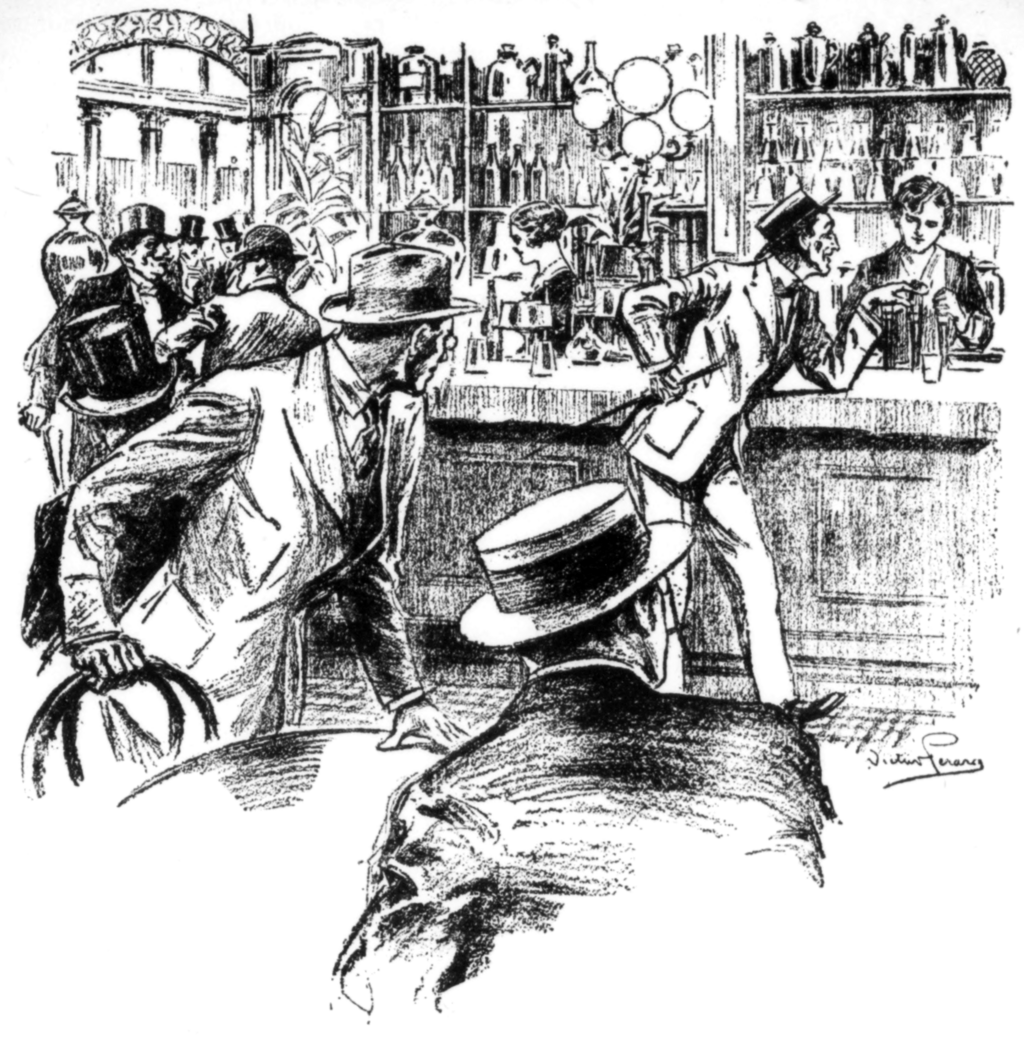
By the late 1800s, bartending had become more creative. New liqueurs and fancier techniques were changing the drink landscape. Bartenders started adding dashes of absinthe, curaçao, and other ingredients to the classic cocktail formula. While many enjoyed these new creations, some purists missed the original. They began to ask for their drink the old-fashioned way.
The Old Fashioned is one such drink: a genuine old timer, associated with the first generation of cocktails from the 1850s East Coast bars.
In the 1880s, the name stuck. People would walk into a bar and order an “Old Fashioned Whiskey Cocktail.” This told the bartender to skip the new-fangled additions and stick to the classic four ingredients. The name was a direct response to the evolving world of mixology—a way to preserve the original.
An Enduring Classic
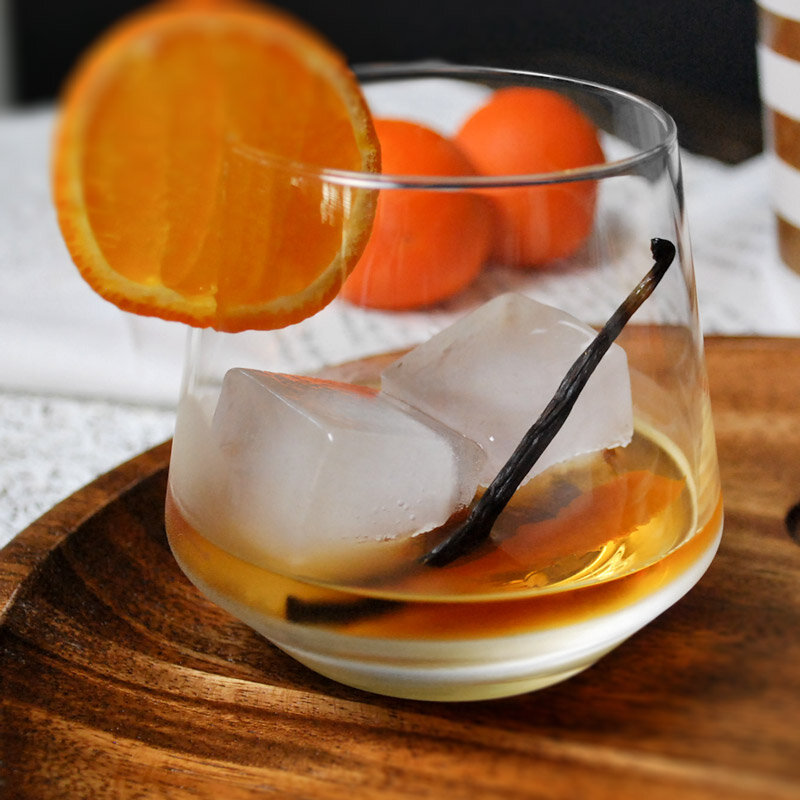
The Old Fashioned survived Prohibition, a period when many classic cocktails were forgotten or altered due to the poor quality of available spirits. Its simplicity was its strength. Even with rough bathtub gin or bootleg whiskey, the basic formula of spirit, sugar, water, and bitters could still make a palatable drink.
After Prohibition, the drink's popularity waxed and waned. For a time, it was sometimes served muddled with fruit, a practice that horrified traditionalists. But in the early 21st century, a renewed interest in classic cocktails brought the Old Fashioned roaring back into style, thanks in part to its prominence in popular culture.
Today, it's celebrated for its history and its straightforward, spirit-forward flavor. It's not just a drink; it's a piece of history in a glass.
Time to review what you've learned.
According to its earliest definition in 1806, what were the four essential ingredients of a cocktail?
Why did the name 'Old Fashioned' emerge for a specific type of cocktail in the late 1800s?