Mastering the Oboe
Oboe Basics
Setting the Stage
Before a single note is played, your body is your first instrument. Good posture is the foundation for good sound. It aligns your body so air can flow freely from your lungs, through the oboe, and out into the room as music.
Whether you're sitting or standing, the principles are the same. Keep your back straight but not stiff. Imagine a string gently pulling the crown of your head toward the ceiling. Your shoulders should be relaxed and down, not hunched up around your ears. Plant both feet flat on the floor, about shoulder-width apart, to give yourself a stable base.
Think of your spine as a straw. If it's bent or kinked, it's hard to get anything through it. A straight, relaxed spine allows for the best possible airflow.
When sitting, scoot forward to the edge of your chair. This prevents you from slouching and keeps your core engaged. Hold the oboe at about a 45-degree angle from your body. This position should feel natural, not forced. It allows your arms and hands to stay relaxed, which is crucial for fluid finger movement later on.
The Engine of Your Sound
With your posture set, it's time to focus on your power source: your breath. Playing the oboe requires a steady, controlled stream of air, and that air comes from your diaphragm. This large, dome-shaped muscle sits just below your lungs.
Breathing from your diaphragm, rather than taking shallow sips of air into your chest, is the key to producing a full, rich tone. Think of your lungs like balloons. To fill them completely, you need to start from the bottom. When you inhale, your belly should expand outward as your diaphragm contracts and pulls air deep into your lungs. When you exhale, your stomach muscles should gently tense to push the air out in a consistent stream.
Diaphragmatic breathing forms the foundation of effective oboe playing.
Here's a simple exercise to feel this process. Lie on your back and place a light book on your stomach. As you breathe in slowly through your nose, focus on making the book rise. As you exhale slowly through your mouth, watch the book fall. This is the same motion you'll use to support your sound on the oboe.
The All-Important Embouchure
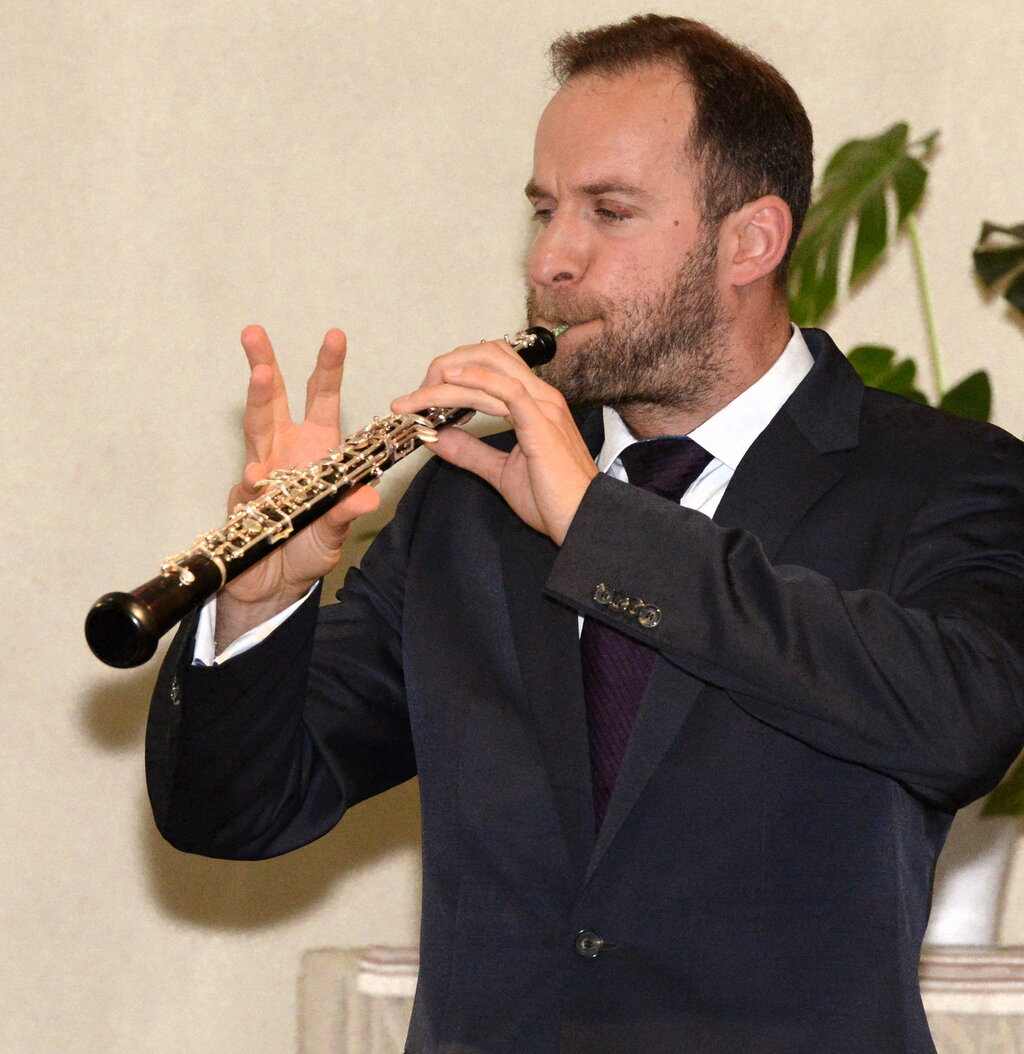
The embouchure is how you shape your mouth, lips, and facial muscles around the reed. It's one of the most challenging, yet most critical, aspects of playing the oboe. A good embouchure allows the reed to vibrate freely while giving you control over pitch and tone.
Embouchure
noun
The way in which a player applies their mouth to the mouthpiece of a brass or woodwind instrument.
Think of your embouchure as a cushion for the reed. To form it, follow these steps:
- Start by saying the letter "O."
- Gently roll your lips inward, just enough to cover your teeth. Your lips should be soft and pillowy.
- Keep your jaw dropped and relaxed. Avoid biting down.
- Draw the corners of your mouth in slightly, as if you're tightening a drawstring bag around the reed.
Now, gently place just the tip of the reed on the center of your bottom lip and bring your top lip down to meet it. The pressure should be firm but gentle, coming from all sides, not just from the top and bottom.
Choosing Your Voice
The reed is the heart of the oboe's sound. It’s a delicate, handmade piece of cane that vibrates to create the instrument's unique tone. No two reeds are exactly alike, and finding the right one is a personal journey.
Reeds come in different strengths, typically labeled as soft, medium-soft, medium, and hard. For a beginner, a softer reed is usually best. It requires less air pressure to vibrate, making it easier to produce a sound while you're still developing your embouchure and breath support.
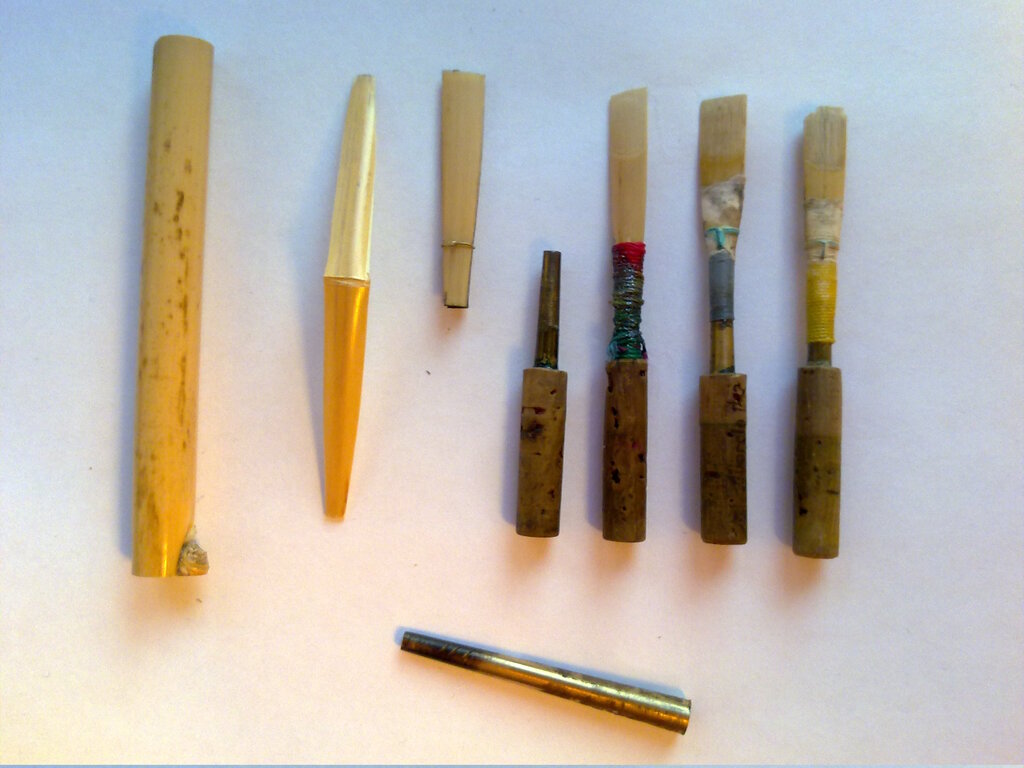
Reeds are fragile and require care. Always soak your reed in a small container of water for a minute or two before playing. This makes the cane flexible and responsive. After playing, gently rinse it and store it in a protective case that allows air to circulate. A well-maintained reed will last longer and produce a better sound.
Don't be discouraged if you struggle at first. Finding the right combination of posture, breath, embouchure, and a good reed takes time and patient practice.
Let's review these fundamental concepts.
When sitting down to play the oboe, what is the recommended position on your chair?
When you inhale correctly using your diaphragm, you should feel your belly expand outward.