Mastering the Oboe
Introduction to the Oboe
A Unique Voice in the Orchestra
The oboe is a member of the woodwind family, but it has a special distinction: it’s a double-reed instrument. This means its sound is produced by blowing air through two thin pieces of cane that are tied together. The vibration of these reeds creates a piercing, expressive, and slightly nasal tone that can cut through the sound of a full orchestra.
The oboe is a woodwind instrument with a conical bore (a cone-like tube), metal keys, a flared bell and a double reed, which vibrates when the player blows through it.
From Shawm to Symphony
The oboe’s family tree is long, with roots reaching back to ancient Greece and the Middle East. Its most direct ancestor is the shawm, a loud and powerful double-reed instrument popular in the medieval and Renaissance periods. Shawms were primarily used for outdoor ceremonies and military bands because of their sheer volume.
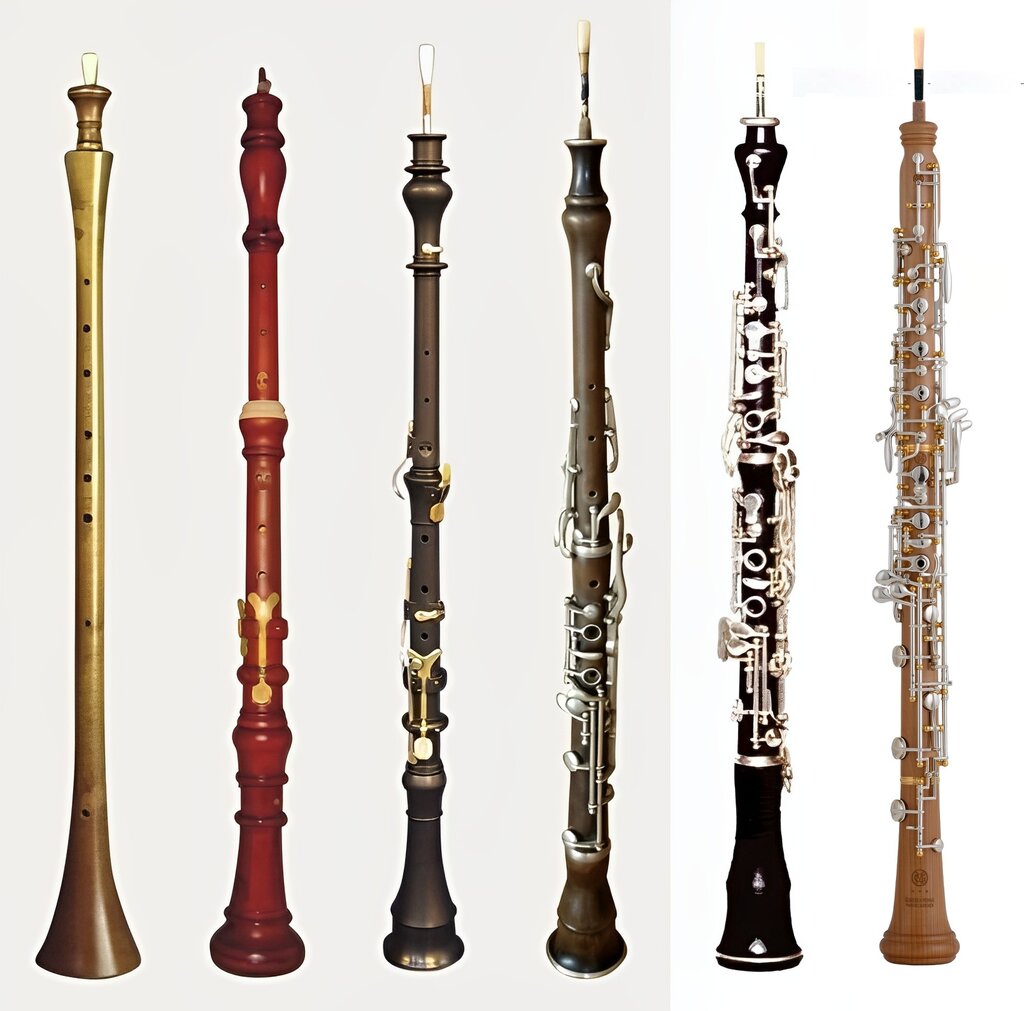
During the mid-17th century in France, the instrument was refined for indoor use. Luthiers narrowed the bore, reduced the size of the reed, and split the instrument into three sections, creating the more elegant and tonally nuanced Baroque oboe, or hautbois (French for “high wood”). Composers like Bach and Handel fell in love with its expressive qualities and gave it prominent solo lines. Over the next two centuries, makers added intricate keywork, allowing players to perform more complex music with greater ease and better intonation, leading to the modern oboe we know today.
The Anatomy of an Oboe
A modern oboe is a marvel of engineering. Though it looks like one piece, it’s actually made of three main sections that are fitted together. These are typically crafted from dense, dark woods like Grenadilla.
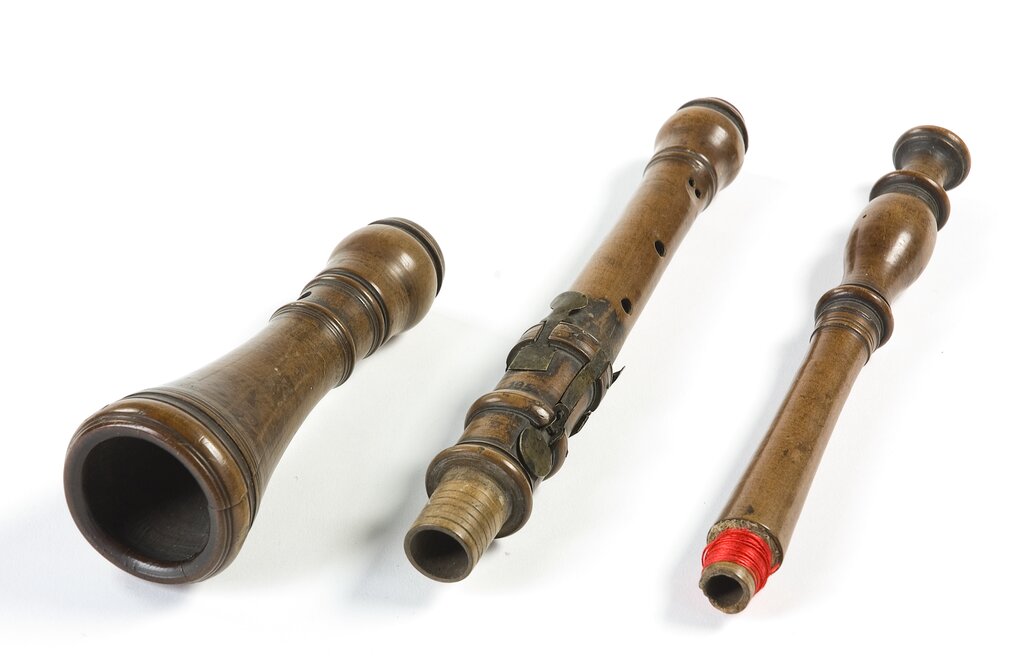
The sections are:
- Upper Joint: The top section where the player's left hand is positioned.
- Lower Joint: The middle section, covered by the right hand.
- Bell: The flared end that helps project the sound.
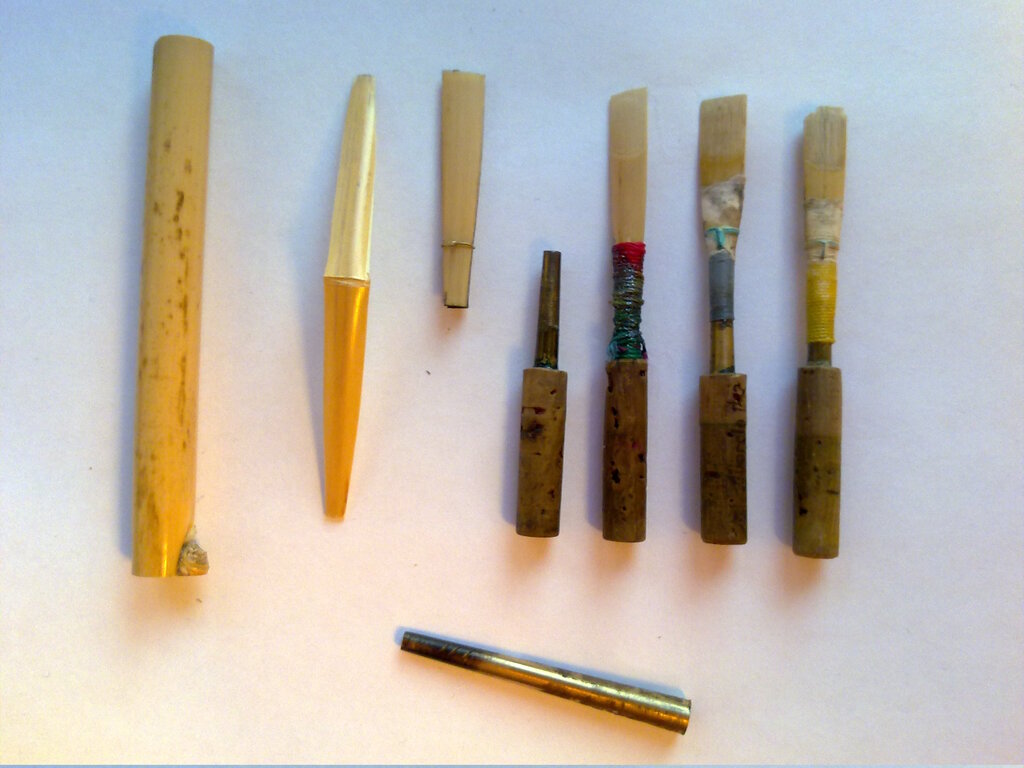
At the very top, a small metal tube called a staple is inserted. This staple holds the most critical part of the instrument: the reed.
The intricate system of silver or nickel keys and levers opens and closes tone holes along the instrument's body. Pressing different key combinations changes the length of the air column inside, which in turn changes the pitch. The inside of the oboe has a conical bore, meaning it gradually widens from top to bottom. This shape is crucial for the oboe's characteristic tone.
The Oboe's Many Roles
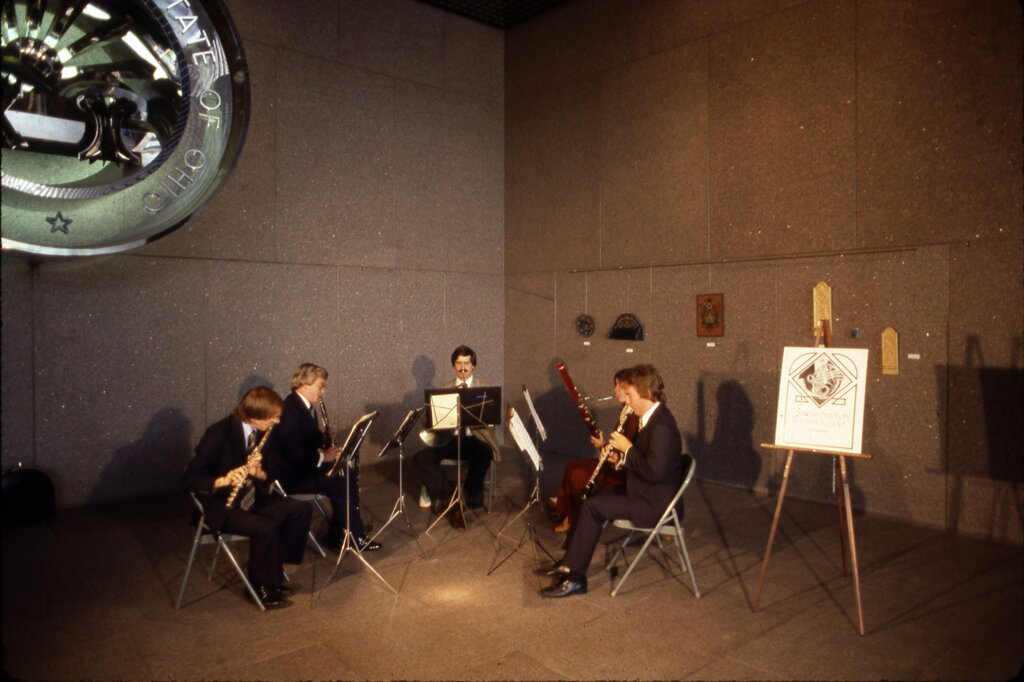
In a symphony orchestra, the oboe has a special job. Because its pitch is stable and penetrating, the principal oboist plays an 'A' for the entire orchestra to tune to before a concert begins. Within the music, it often carries beautiful, lyrical melodies. Think of the famous oboe solo in the second movement of Tchaikovsky’s Symphony No. 4, or the playful duck theme in Prokofiev’s Peter and the Wolf.
While central to classical music, the oboe also appears in other genres. You can hear it in film scores, where its plaintive sound enhances emotional scenes. It also finds a home in some jazz, pop, and rock music, though less frequently. Artists like Paul McCartney and the band The Go-Betweens have featured its unique sound, proving its versatility beyond the concert hall.
From leading the orchestra's tuning to singing soulful solos, the oboe is an instrument with a rich history and a voice that is impossible to ignore.