Mastering the National Electrical Code
Introduction to the NEC
The Rulebook for Electricity
Imagine a world without traffic laws. Roads would be chaotic and dangerous. The same goes for electrical wiring. Without a standard set of rules, installing electrical systems would be hazardous, leading to fires and electrocutions. That's where the National Electrical Code, or NEC, comes in. It's the benchmark for safe electrical design, installation, and inspection in the United States.
The NEC is not a law itself. Instead, it's a comprehensive guide developed by the National Fire Protection Association (NFPA). Its primary purpose is the practical safeguarding of people and property from electrical hazards. Think of it as the foundational safety manual for electricians, contractors, and inspectors.
The need for a standard became clear in the late 1800s as electricity became more common. Different insurance companies had their own conflicting rules for wiring, creating confusion. In 1897, various groups came together to create the first version of the NEC to unify these standards and improve safety. Since then, it has become the trusted guide for electrical installations across the country.
How the NEC is Organized
The NEC is a large and detailed document, but it's organized logically, like a legal code or a reference book. Understanding its structure is key to finding the information you need. The code is broken down into an introduction and nine chapters, each covering a broad area of electrical work. These chapters are then divided into articles, parts, and sections for more specific rules.
| Chapter | Content |
|---|---|
| 1 | General Rules and Definitions |
| 2 | Wiring and Protection |
| 3 | Wiring Methods and Materials |
| 4 | Equipment for General Use |
| 5 | Special Occupancies (e.g., hazardous locations) |
| 6 | Special Equipment (e.g., signs, welders) |
| 7 | Special Conditions (e.g., emergency systems) |
| 8 | Communications Systems (e.g., cable TV) |
| 9 | Tables (Conductor properties, conduit fill, etc.) |
A good rule of thumb: Chapters 1 through 4 apply to almost all electrical installations. Chapters 5, 6, and 7 modify those general rules for specific situations. Chapter 8 is for communications, and Chapter 9 contains useful reference tables.
Keeping Up with Technology
Technology is always evolving, and so are the safety practices for installing it. To stay current, the NEC is updated every three years. The NFPA manages this process through a public review system. Anyone can submit a proposal to change the code. Panels of experts review these proposals, considering new technologies, research findings, and incident data to ensure the NEC reflects the latest in electrical safety.
Once a new version is published, it's up to states, counties, and cities to adopt it into their laws. This adoption process is why the version of the NEC in effect can vary from one location to another. An electrician working in one city might be using the 2020 NEC, while another in a neighboring state might be required to follow the 2023 edition.
NEC vs. NESC
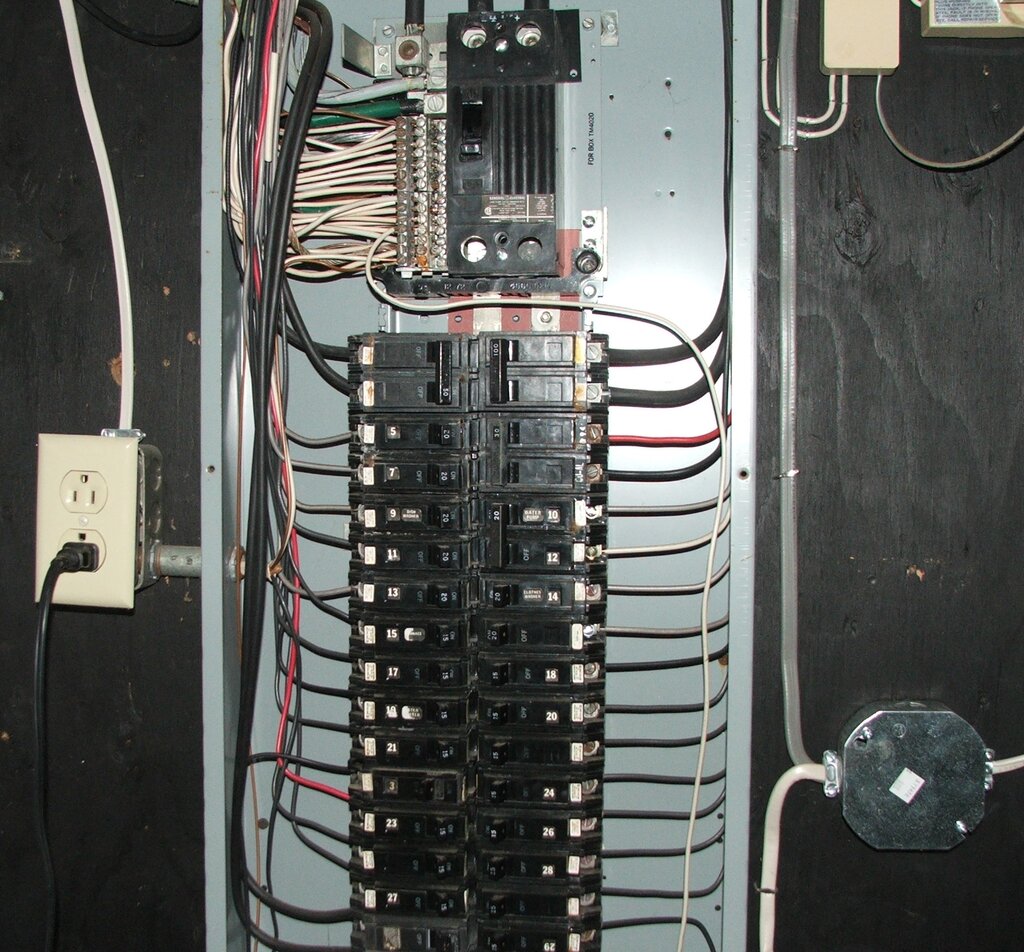
It's easy to confuse the NEC with another important document: the National Electrical Safety Code (NESC). While both deal with electricity, they cover different domains. The NEC applies to wiring inside and on buildings and structures, from the service point where the utility connects, all the way to the outlets and fixtures.
The NESC, on the other hand, is for utility companies. It covers the big-picture infrastructure: power generation stations, transmission lines that carry high-voltage power across the country, and the distribution lines that bring it to our neighborhoods. It sets safety standards for utility workers who build and maintain this massive grid.
Simply put, if it's on the utility pole and before your meter, it's the NESC's territory. If it's past the meter and inside your home or office, it falls under the NEC. Both codes are essential for a safe and reliable electrical system, but they serve different users and different parts of that system.
What is the primary purpose of the National Electrical Code (NEC)?
An electrical utility worker is replacing a high-voltage transformer on a utility pole. Which code provides the safety standards for this type of work?
Understanding the purpose and structure of the NEC is the first step for anyone working in the electrical field. It's the foundation upon which safe, reliable, and modern electrical systems are built.