Mastering the MBA
Financial Accounting
The Language of Business
Financial accounting is how a company keeps score. It’s a standardized system for recording, summarizing, and reporting all the financial transactions that happen in a business. Think of it as the language of business. If you want to understand a company's health and performance, you need to speak this language.
The goal is to provide information that is useful for investors, creditors, and other stakeholders to make decisions.
To ensure everyone is speaking the same language, accountants follow a set of rules and standards. In the United States, this rulebook is called Generally Accepted Accounting Principles, or GAAP. It provides the framework for how to record things like a sale, the purchase of a new machine, or the payment of salaries. Most other countries use a similar set of standards called International Financial Reporting Standards (IFRS). These principles ensure that financial reports are consistent, comparable, and reliable, no matter who is preparing them.
The Accounting Cycle
Financial accounting isn't a one-time event; it's a continuous process known as the accounting cycle. This cycle is the step-by-step procedure companies use to record and process their financial information, turning raw transaction data into useful financial statements. It typically happens over a specific period, like a month, a quarter, or a year.
Let’s break down the key parts. It starts with identifying every transaction, from a customer buying a coffee to the company paying its electricity bill. Each transaction is then recorded in a journal. Think of the journal as a chronological diary of the business's financial life.
From the journal, the information is posted to a general ledger, which organizes transactions by account type (like "Cash," "Sales Revenue," or "Rent Expense"). At the end of the period, all these accounts are tallied up to create a trial balance to ensure the books are, well, balanced. After a few adjustments for things that don't involve a direct cash transaction (like the wearing down of equipment, known as depreciation), the final, official financial statements are prepared.
The Big Three Financial Statements
The accounting cycle culminates in the creation of three primary financial statements. These reports are the main tools used to communicate a company's financial story.
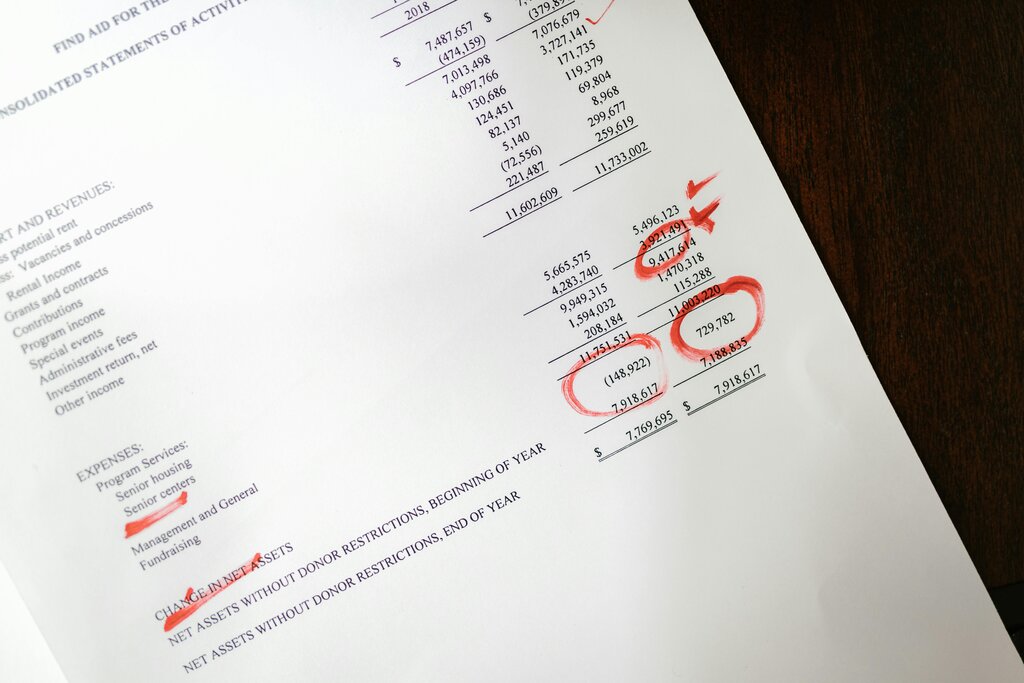
First is the Balance Sheet. This statement is a snapshot in time. It shows what a company owns (its assets), what it owes (its liabilities), and the difference between the two (its equity). The balance sheet is built on a fundamental equation that must always, without exception, be in balance:
Asset
noun
A resource with economic value that an individual, corporation, or country owns or controls with the expectation that it will provide a future benefit.
Liability
noun
A financial obligation of a company that results in the company's future sacrifice of economic benefits to other entities or businesses.
Equity
noun
The value of the assets remaining in a business after all liabilities have been subtracted. It represents the owners' stake in the company.
Next is the Income Statement. Unlike the balance sheet's snapshot, the income statement shows performance over a period of time, like a quarter or a year. It tells the story of how a company generated its revenues and what expenses it incurred to do so. The bottom line of the income statement is the net income, or profit.
Finally, there's the Statement of Cash Flows. This report tracks all the cash coming into and going out of the company. It breaks down cash movements into three categories: operating activities (the main business operations), investing activities (like buying or selling assets), and financing activities (like borrowing money or paying dividends to shareholders). This statement is crucial because profit doesn't always equal cash in the bank.
Why It Matters
So, why go through all this trouble? Financial reporting is the bedrock of business decision-making. Internally, managers use these statements to assess performance, create budgets, and make strategic choices about where to allocate resources.
Externally, investors use them to decide whether to buy or sell a company's stock. Lenders, like banks, analyze them to determine a company's creditworthiness before approving a loan. Even government agencies look at financial statements to ensure compliance with regulations and to calculate taxes. In essence, financial accounting provides a clear, trusted picture of a company's financial reality, enabling the entire business ecosystem to function.
What is the primary purpose of financial accounting?
Which financial statement is described as a 'snapshot' of a company's financial position at a specific point in time?
This structured approach to recording and reporting financial data ensures that every stakeholder has access to reliable information for making sound economic decisions.