Mastering the Market Dynamic
Macro Analysis Framework
A Top-Down Approach
Successful investing isn't just about picking a good company; it's about picking a good company at the right time. A brilliant business can struggle if the whole economy is sinking. To account for this, many analysts use the Economic, Industry, and Company (EIC) framework. It’s a top-down approach that starts with the big picture before zooming in.
Think of it like deciding where to open a new surf shop. Before you analyze specific storefronts (the company), you'd first check the local surf culture and beach traffic (the industry). But even before that, you’d check the weather forecast (the economy). A looming hurricane makes even the best beach a bad bet. In this framework, we start by checking the economic weather.
Gauging Economic Health
To understand the overall economic environment, we look at a few key vital signs. The first is Gross Domestic Product (GDP), which measures the total value of all goods and services produced in a country. A rising GDP indicates a growing economy, which generally means higher corporate profits and a healthy stock market. Conversely, a shrinking GDP signals a recession.
Next is inflation, which is the rate at which the general level of prices for goods and services is rising, eroding purchasing power. We track it using indicators like the Consumer Price Index (CPI), which measures the average change in prices paid by urban consumers for a basket of consumer goods and services. High inflation can squeeze company profit margins by increasing costs and can also reduce consumer demand as people's money doesn't go as far.
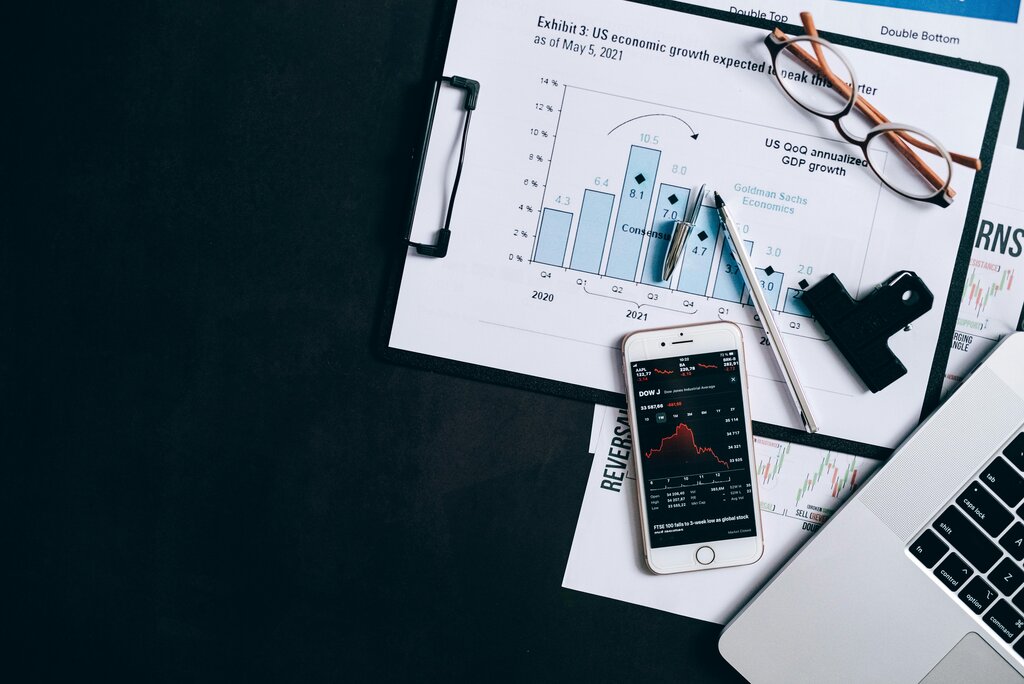
Finally, we look at employment. When unemployment is low, more people have jobs and disposable income. This increased spending power directly fuels corporate revenues. A strong labor market is a sign of a robust economy, providing a solid foundation for business growth.
Policy's Powerful Hand
Governments and central banks have powerful tools to influence the economy. Monetary Policy, managed by a country's central bank (like the Federal Reserve in the U.S.), is one of the most significant. The primary tool here is adjusting interest rates.
When the economy is sluggish, the central bank might lower interest rates to encourage borrowing and spending, stimulating growth. When inflation is too high, they raise rates to cool things down. Interest rates have a direct impact on stock valuations. Lower rates make a company's future earnings more valuable in today's dollars, which can push stock prices up.
The other major tool is , which involves the government's use of spending and taxation. Government spending on things like infrastructure projects can directly stimulate economic activity. Tax cuts can leave more money in the pockets of consumers and businesses, potentially boosting spending and investment. These actions can create a tailwind for companies and the broader stock market.
Riding the Economic Cycle
Economies don't grow in a straight line. They move in cycles of expansion and contraction. Understanding where we are in the cycle is key to assessing market risk.
An expansion is a period of economic growth. Businesses are thriving, jobs are plentiful, and markets are generally rising. This is often called a "" environment, where investors are more willing to buy riskier assets like stocks.
A recession, or contraction, is the opposite. Economic activity declines, unemployment rises, and corporate profits fall. This is a "risk-off" environment, where investors often flee to safer assets like government bonds.
By first analyzing the broad economic landscape, you can determine if the overall conditions are favorable for stock investing. This macro view provides the essential context needed before diving deeper into specific industries and companies.
What is the first step in the top-down EIC (Economic, Industry, Company) framework for investment analysis?
A central bank decides to lower interest rates. What is the most likely intended effect of this monetary policy action?
Once you have a firm grasp of the economic climate, you're ready to move to the next step in the EIC framework: analyzing the industry.