Mastering the Laws of UX
Introduction to UX Principles
What Is User Experience?
User Experience (UX) design is about how a person feels when interacting with a system. This could be a website, a mobile app, or any other form of technology. It’s not just about how something looks, but how it feels to use. Is it easy to navigate? Does it make sense? Does it help you accomplish your task without frustration?
Think about a well-designed door. A good door handle tells you whether to push or pull without you having to think about it. A confusing door, with a handle that suggests pulling when you need to push, creates a moment of friction. UX design is the art of eliminating that friction in the digital world.
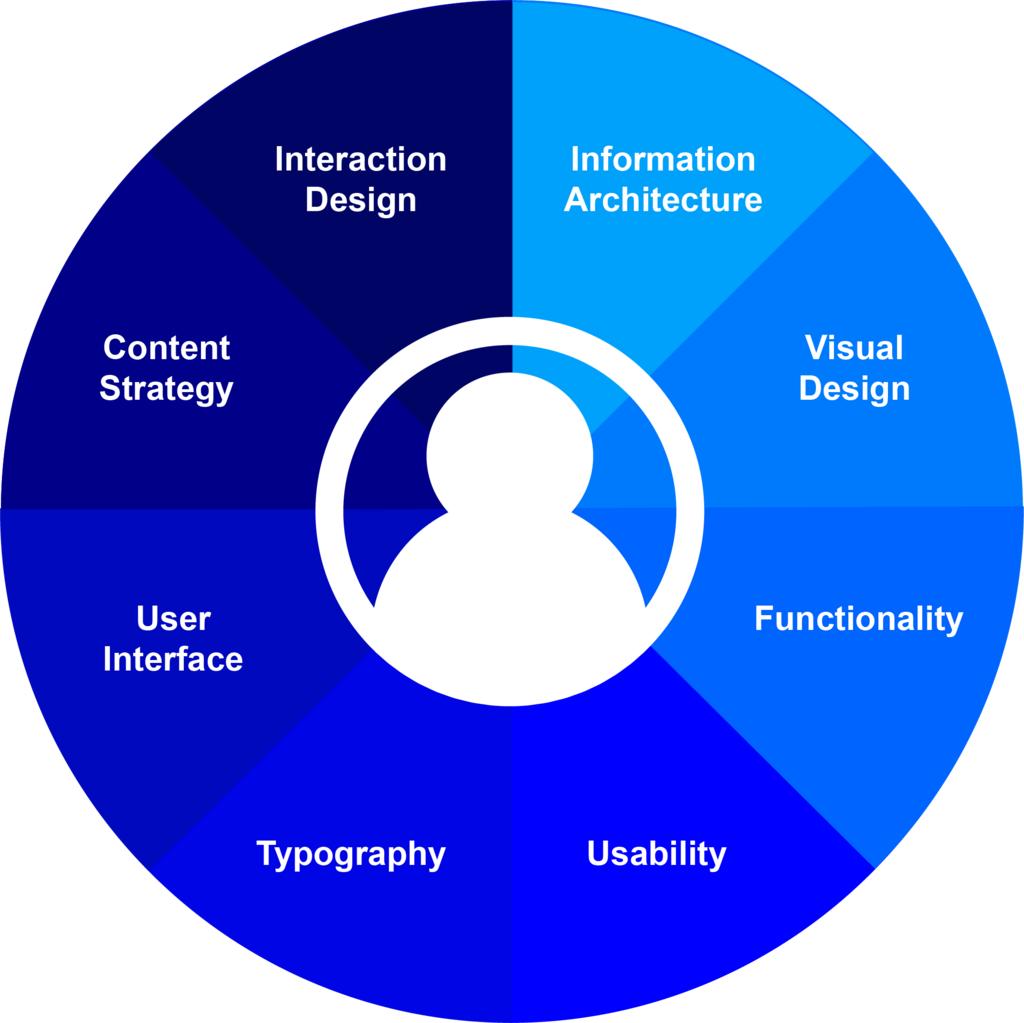
Good UX is often invisible. When a product works seamlessly, you don't notice the design; you just accomplish your goal. Bad UX, on the other hand, is frustrating and memorable for all the wrong reasons. The goal of a UX designer is to create products that are not only functional but also enjoyable and accessible to everyone. This user-centric approach is what separates a product people tolerate from a product people love.
User-Centered Design forms the foundation of products that people actually want to use.
Designing for the Human Brain
To create effective experiences, designers need to understand how people think, learn, and perceive the world. This is where psychology comes in. Principles from cognitive psychology—the study of mental processes like attention, memory, and problem-solving—are fundamental to UX design.
For example, knowing that people can only hold a small amount of information in their short-term memory helps designers create simpler, more manageable interfaces. Understanding how we group similar objects helps in organizing content logically. By applying these psychological principles, designers can create interfaces that feel intuitive because they align with how our brains naturally work.
Good product design exists at the intersection of UX, aesthetics, interactions, and psychology.
The Laws of UX
Over the years, designers and psychologists have identified a set of principles that describe how users tend to interact with interfaces. These are often called the 'Laws of UX.' They aren't rigid laws like the laws of physics, but rather guidelines that can help us make better design decisions.
These principles provide a shared language and foundation for designers. They help us understand why users might struggle with a certain layout or why one design feels more intuitive than another. In the following sections, we will explore these laws in detail, starting with some of the most fundamental concepts that shape modern digital products.
Understanding these principles, such as Hick's Law, Fitts's Law, and the Pareto Principle, allows us to create experiences that are not just aesthetically pleasing but are also efficient, effective, and satisfying for the user. Let's begin.