Mastering the La Pavoni Stradivarius
Machine Overview
Meet the Machine
The La Pavoni Stradivarius isn't just a coffee maker; it's a hands-on instrument for brewing espresso. Unlike machines that do everything at the push of a button, this one puts you in complete control. Its design is classic, relying on simple mechanics rather than complex electronics. Mastering it takes a bit of practice, but the reward is a deep connection to the process and a truly personal cup of espresso.
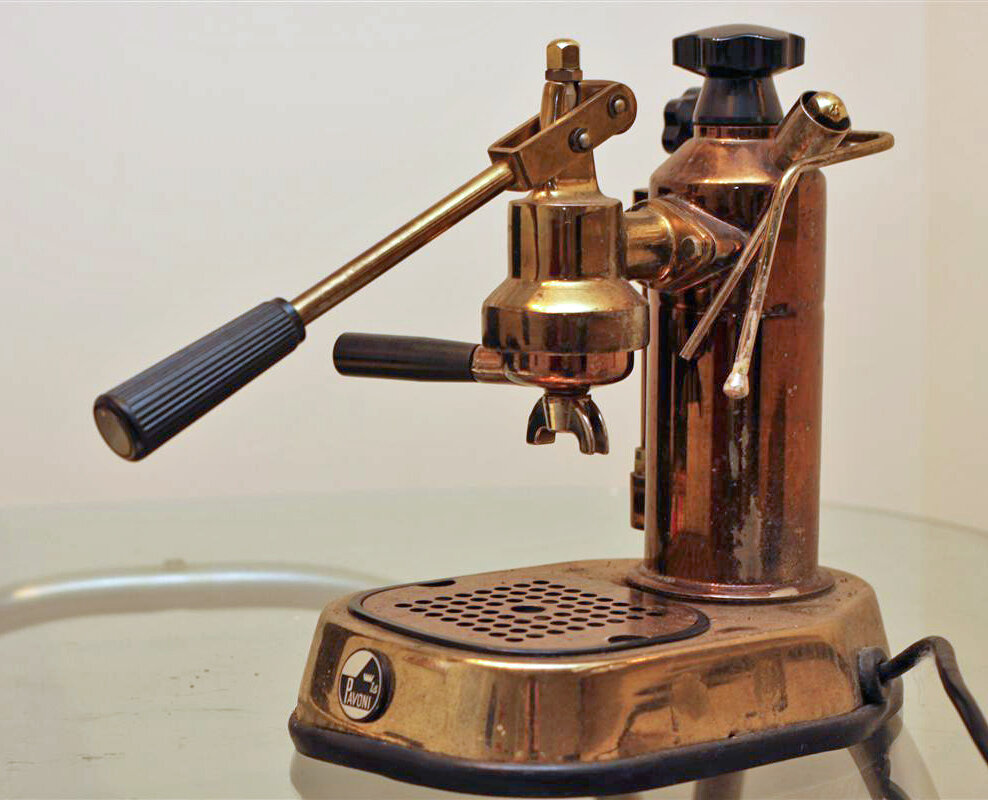
Let's take a look at the essential parts that work together to turn hot water and coffee grounds into espresso.
Core Components
Understanding the anatomy of your La Pavoni is the first step toward pulling great shots. Each part has a specific job in the brewing process.
Boiler: This is the large, central tank that holds and heats the water. When you turn the machine on, a heating element inside the boiler brings the water to the right temperature, creating both hot water for brewing and steam for frothing milk.
Group Head: Attached directly to the front of the boiler, the group head is where the magic happens. It's a solid brass component designed to maintain a stable temperature. This is where the hot water from the boiler is introduced to the coffee grounds held in the portafilter.
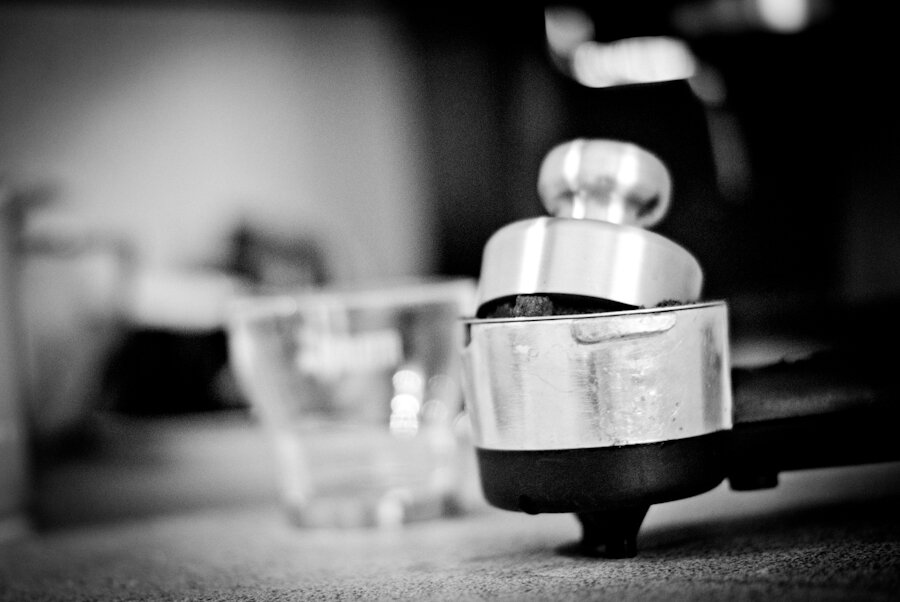
Portafilter: This is the handle with a filter basket that you fill with ground coffee. You lock it into the group head before brewing. The name is short for "portable filter."
Steam Wand: The small arm on the side of the machine is the steam wand. It releases pressurized steam from the boiler, allowing you to heat and texturize milk for drinks like cappuccinos and lattes.
Pressure Gauge: The gauge on the front of the boiler shows the pressure level inside. This is your primary indicator for when the machine is hot enough to brew. You're typically looking for it to reach around 0.8 to 1.2 bar before you start.
The Art of the Lever
The lever is the heart of the La Pavoni's manual operation. It controls the entire brewing process, from letting water into the group head to forcing it through the coffee grounds. The process is a simple, two-part motion.
First, you lift the lever. This pulls a piston up inside the group head, creating a vacuum that draws hot water from the boiler into the chamber above your coffee grounds. This step, often called pre-infusion, gently saturates the coffee puck at low pressure.
By lifting the lever, you suck this water from the boiler into the group head where it mingles with the steam and the coffee at about 1 bar of pressure.
Next, you slowly and firmly press the lever back down. This action forces the piston down, pushing the hot water through the coffee grounds under high pressure. You create this pressure yourself, and it's what extracts the oils and solids that make up a shot of espresso.
By pushing down on the lever with the right amount of force, that pressure should crank up to around 9 bar and water should begin to force its way through the coffee, revealing itself to you in the drips at the end of your portafilter, and the espresso in your cup.
This direct, physical connection is what defines the manual lever experience. Your feel for the pressure and timing directly shapes the final result in the cup.
Now that you know the parts and the principles, you're ready to start exploring the brewing process.