Mastering the Ketogenic Lifestyle
Metabolic Ketosis Shift
The Switch Flips
Your body's primary energy source is typically glucose, derived from carbohydrates. This glucose is stored in your liver and muscles as glycogen, acting as a readily available fuel tank. When you significantly reduce carbohydrate intake, this tank starts to run dry. After about 12 to 36 hours, your glycogen stores are depleted.
With its main fuel source gone, your body initiates a crucial metabolic shift. It begins to tap into your largest energy reserve: stored body fat. This process is called lipolysis. Hormones signal fat cells (adipocytes) to break down stored triglycerides into fatty acids and glycerol. These fatty acids are then released into the bloodstream and can be used for energy by most tissues in the body.
However, there's a catch. Fatty acids cannot cross the blood-brain barrier. Since the brain is an energy-intensive organ, it requires a constant, reliable fuel supply. This is where the liver steps in to create a specialised, brain-friendly fuel.
The Liver's Fuel Factory
Once fatty acids reach the liver, they undergo a process called beta-oxidation, which breaks them down into a molecule called acetyl-CoA. Normally, acetyl-CoA would enter the Krebs cycle to generate ATP, the body's main energy currency. But with a high influx of fatty acids and low carbohydrate availability, the Krebs cycle can't keep up.
The liver then diverts the excess acetyl-CoA into an alternative pathway: ketogenesis. Through a series of enzymatic reactions, acetyl-CoA is converted into three molecules known as ketone bodies.
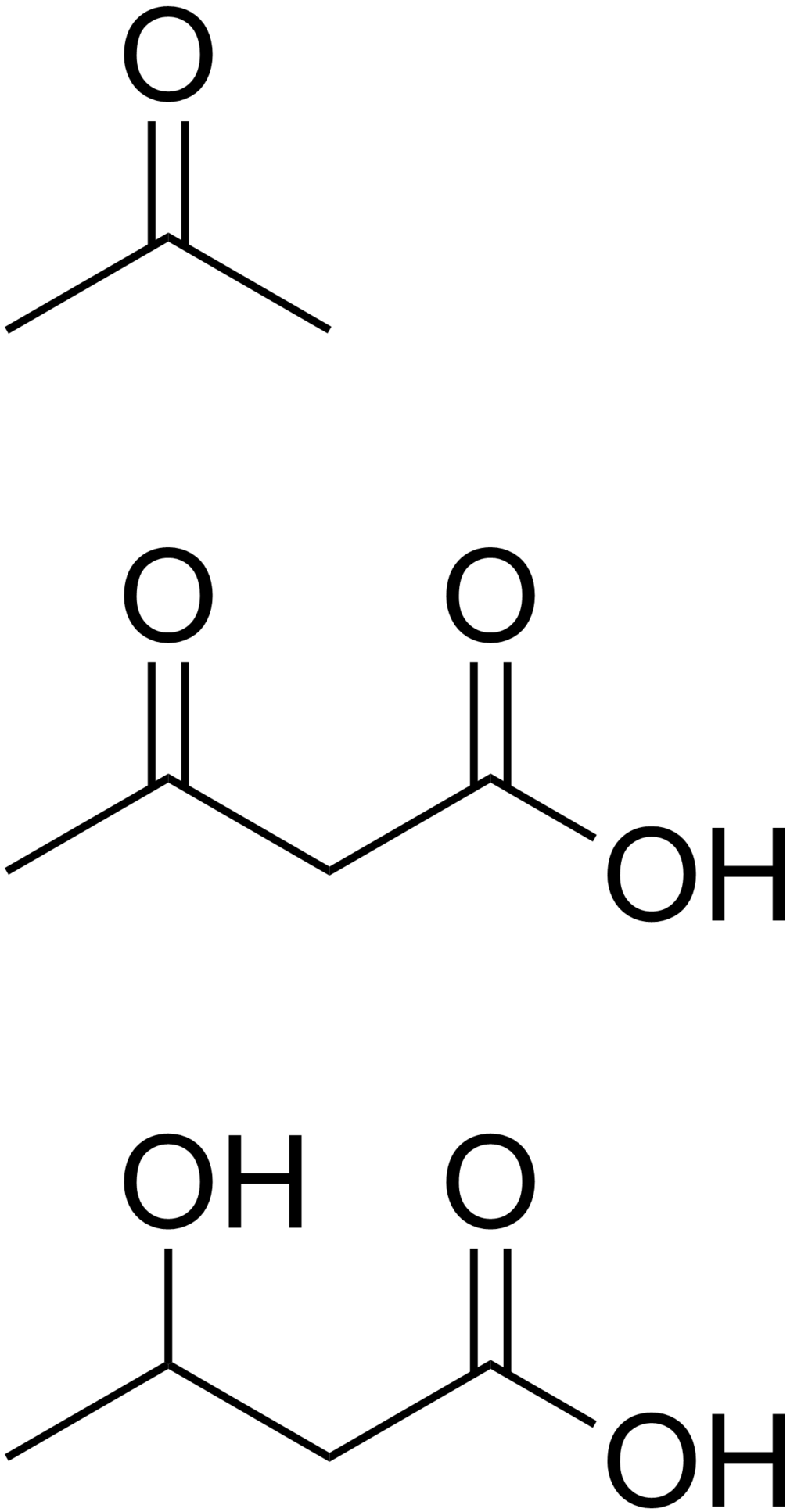
The main ketone bodies are:
- Acetoacetate (AcAc): The first ketone body produced from acetyl-CoA.
- Beta-hydroxybutyrate (BHB): Converted from acetoacetate, BHB is the most abundant and stable ketone body in the blood, serving as a highly efficient fuel source.
- Acetone: A volatile byproduct of acetoacetate breakdown, acetone is mostly expelled from the body through the breath and urine, which is why some people on a ketogenic diet notice a distinct 'fruity' smell on their breath.
These ketone bodies are then released from the liver into the bloodstream, ready to be used as fuel by the brain, muscles, and other tissues.
Nutritional ketosis is commonly defined as a blood beta-hydroxybutyrate (BHB) concentration of about 0.5 to 3.0 mmol/L.
Hormonal Controls
This entire metabolic shift is orchestrated by two key hormones: insulin and glucagon. Think of them as a seesaw. When you eat carbohydrates, your blood glucose rises, causing insulin levels to increase. Insulin's job is to shuttle glucose into cells for energy and storage, effectively halting fat burning.
When carbohydrate intake is low, blood glucose remains stable and low, so insulin levels drop. This drop in insulin signals to the body that it's time to burn stored fat. Concurrently, the pancreas releases glucagon. Glucagon acts as a counter-regulatory hormone to insulin; it promotes the breakdown of glycogen (while stores last) and stimulates both lipolysis (fat breakdown) and ketogenesis (ketone production) in the liver.
This state of low insulin and relatively high glucagon is the key hormonal environment that sustains ketosis, ensuring a steady production of ketones to fuel the body.
This ability to efficiently switch between burning glucose and burning fats (and ketones) is known as metabolic flexibility. When you first adopt a ketogenic diet, your body isn't used to relying on ketones. Your cells, particularly their mitochondria—the cellular power plants—need time to adapt. They must upregulate the necessary enzymes and transport proteins to efficiently use ketones for energy.
This adaptation period can take several days to a few weeks. Once adapted, the body becomes highly efficient at producing and utilising ketones, sparing muscle glycogen for high-intensity efforts and maintaining stable energy levels. This enhanced metabolic flexibility is a hallmark of being 'keto-adapted'.
Under normal dietary conditions, what is the body's preferred primary source of energy?
Which hormonal environment is essential for initiating and sustaining the state of ketosis?
The shift into ketosis is a powerful example of the body's adaptability. By understanding the roles of glycogen, the liver, and key hormones, you can appreciate the intricate biological processes that allow us to switch fuel sources so effectively.