Mastering the Kaggle Platform
Introduction to Kaggle
What Is Kaggle?
Kaggle is an online community for data scientists and machine learning practitioners. Think of it as a playground, a school, and a professional network all rolled into one. It started in 2010 as a platform to host machine learning competitions and has since grown into a central hub for data science.
In 2017, Google acquired Kaggle, cementing its importance in the tech world. By late 2023, the platform had over 15 million registered users, ranging from beginners just starting their data science journey to world-renowned experts pushing the boundaries of AI.
Exploring the Platform
Kaggle is more than just competitions. It’s an entire ecosystem with resources for learning, practicing, and collaborating. The platform is built around four key features.
Competitions
noun
Companies and researchers post complex data problems with a prize, and data scientists from around the world compete to build the best models to solve them. These challenges cover everything from predicting sales to identifying diseases from medical images.
Next up are datasets. Kaggle hosts tens of thousands of public datasets on almost any topic imaginable. You can find data on everything from cat breeds to global CO₂ emissions. This makes it an invaluable resource for practicing your skills or starting a new project without having to collect data yourself.
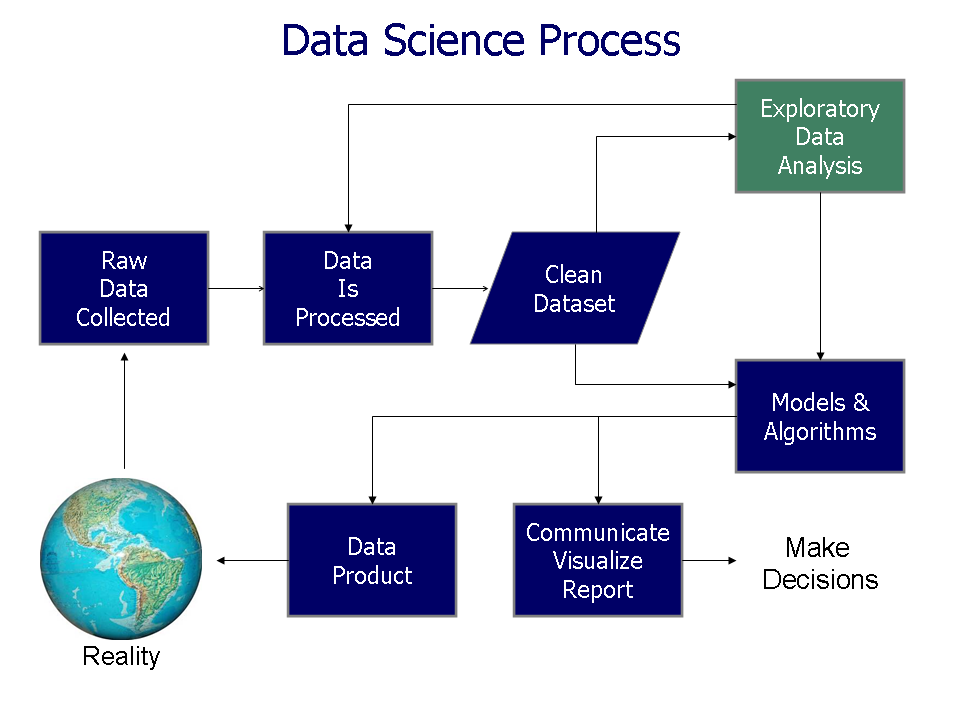
Kaggle Notebooks are another core feature. These are interactive coding environments that run directly in your browser, with no setup required. You can use them to analyze datasets, build models, and share your work with others. They support both Python and R, the two most popular languages for data science. You can also see the notebooks of other users, which is a fantastic way to learn new techniques.
Think of notebooks as a public journal for your data science experiments. You can see how others approached a problem and share your own solutions for feedback.
Finally, the community forums are the social heart of Kaggle. It's a place to ask questions, discuss new research, find teammates for competitions, and get feedback on your work. The community is active and generally very welcoming to newcomers.
Getting Started on Kaggle
Ready to join? Creating an account is straightforward. Go to the Kaggle website and click the "Register" button. You can sign up using your Google account or a different email address. The process takes only a minute.
Once your account is created, take a few moments to set up your profile. This is your professional face on the platform. Add a clear photo of yourself and write a brief bio describing your interests and goals. Are you a student learning data analysis? A developer looking to get into machine learning? Let people know.
You can also link to your GitHub or LinkedIn profiles, which helps build your credibility and allows others to see more of your work. A complete profile makes you look more professional and encourages others in the community to engage with you.
Hands-On Practice: Actively engage with the Kaggle notebooks by running the code, experimenting with modifications, and implementing your own projects.
With your account set up, you're now a part of the Kaggle community. You can start exploring datasets, reading notebooks, and browsing the discussions to get a feel for the platform.
What is the primary function of the Kaggle platform?
Which of the following is a key benefit of Kaggle Notebooks as described in the text?