Mastering the Jaco Pastorius Bass Style
Introduction to Jaco Pastorius
The Man Who Reinvented Bass
Before Jaco Pastorius, the electric bass was mostly a background instrument. It held down the rhythm, provided the low-end foundation, and rarely stepped into the spotlight. Jaco changed all of that. With breathtaking technique and a bold, melodic voice, he turned the bass into a lead instrument, influencing generations of musicians.
Born John Francis Pastorius III in 1951, Jaco grew up in Fort Lauderdale, Florida. He was a natural athlete and a talented musician from a young age. His first love wasn't the bass, but the drums. He played in local bands, soaking up the diverse sounds of South Florida: R&B, Cuban music, soul, and funk.
A pivotal moment came when he broke his wrist playing football at 13. The injury made drumming painful and difficult. Needing to keep playing music, he made a switch. When the bassist in his band, Las Olas Brass, quit, Jaco used his savings to buy a bass guitar and took over the role.
Finding a New Voice
Jaco quickly mastered the bass, but he was searching for a unique sound. He found it in a beat-up 1962 Fender Jazz Bass he bought for $90. He famously ripped out the metal frets with a butter knife, filled the grooves with wood putty, and coated the fingerboard with marine epoxy. The result was the "Bass of Doom," and it gave him his signature tone.
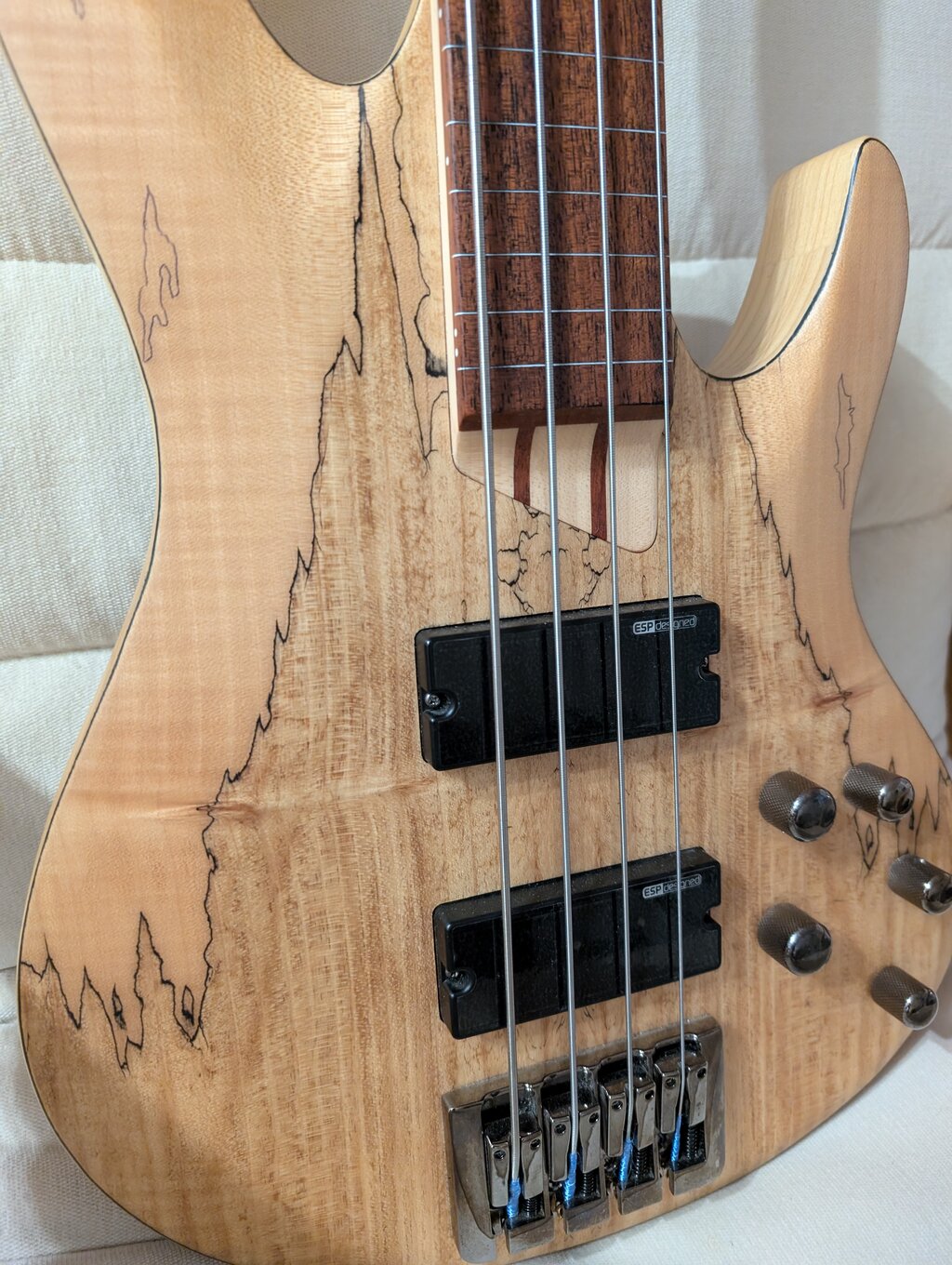
Removing the frets allowed Jaco to play with the fluid, singing quality of an upright bass or a human voice. He could slide between notes with perfect intonation, creating horn-like melodies and lyrical solos. This fretless sound, combined with his incredible command of rhythm and harmony, set him apart from every bassist who came before.
A Meteoric Rise
Jaco's talent was too big to stay local. In the mid-1970s, his career exploded. He released his groundbreaking self-titled solo album in 1976, a record that still stands as a benchmark for electric bass playing.
That same year, he joined the pioneering jazz fusion band Weather Report. His driving grooves and melodic interplay with saxophonist Wayne Shorter and keyboardist Joe Zawinul propelled the band to new heights of popularity. Their album Heavy Weather, featuring Jaco's iconic composition "Teen Town," became one of the best-selling jazz albums of all time.
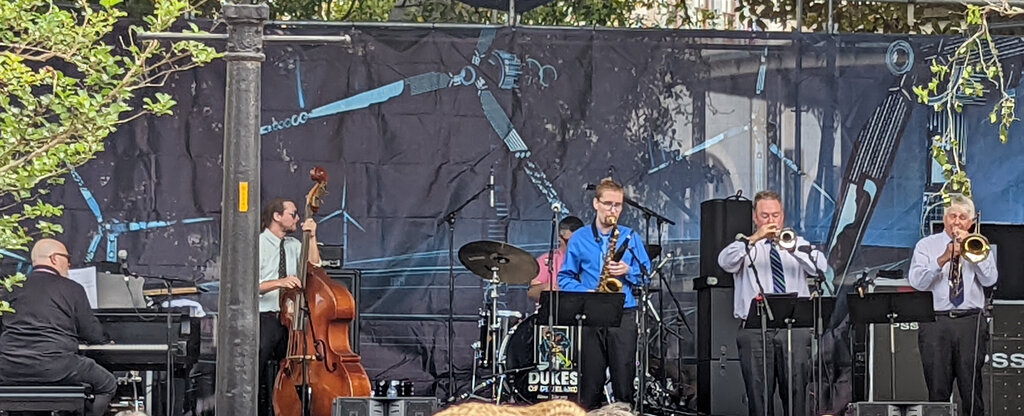
During this period, he also collaborated with a wide range of artists, most notably singer-songwriter Joni Mitchell. His work on her albums Hejira and Mingus showcased his ability to weave intricate, beautiful bass lines that were songs within the songs.
Jaco's impact was immediate and profound. He combined the funk of R&B bassists like Jerry Jemmott with the harmonic sophistication of jazz, creating a new vocabulary for the instrument. He wasn't just a sideman; he was a revolutionary artist who forever changed the role of the bass in modern music.
What was the primary impact of Jaco Pastorius on the role of the electric bass in music?
Before becoming a world-renowned bassist, what instrument did Jaco Pastorius first play?
Jaco's story is a powerful example of how innovation and a unique voice can redefine an instrument's possibilities.