Mastering the IRP Cab Card
Anatomy of the Cab Card
The Cab Card Unpacked
Think of the International Registration Plan (IRP) Cab Card as a passport for your commercial vehicle. It’s the official, legally recognized document issued by your base jurisdiction that proves the vehicle is registered across multiple states and provinces. This isn't a general credential for your company; it's tied to one specific truck.
The entire system hinges on this vehicle-specific link. The card is non-transferable, meaning you can't swap it from one truck to another, even if they're identical models in the same fleet. If you sell the truck, the cab card's authority for that vehicle ends. This ensures that fees and records are always tied to the exact piece of equipment that's on the road.
Reading the Fine Print
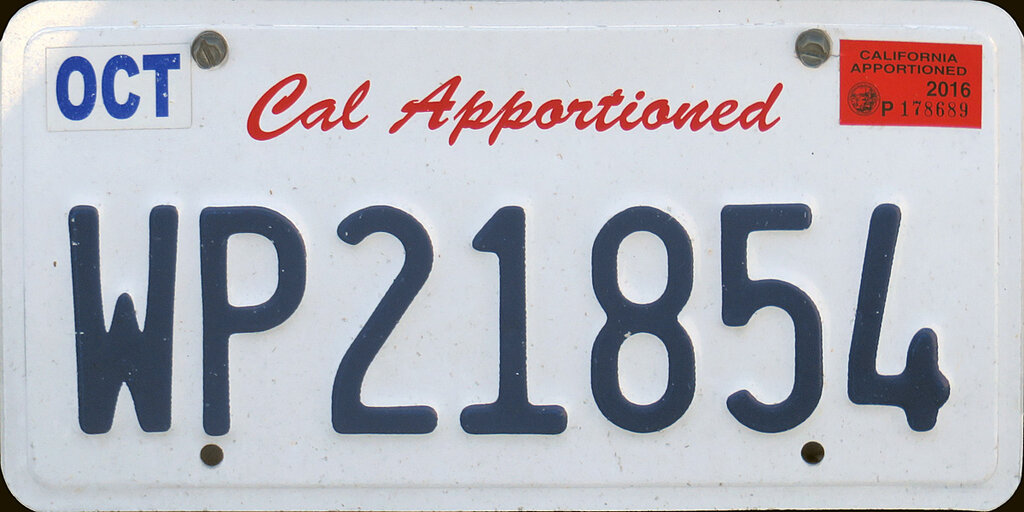
At first glance, a cab card is a dense block of codes and numbers. But each field has a distinct purpose. The most critical identifiers are the , the Unit Number, and the Plate Number. The VIN is the unique 17-character fingerprint of the vehicle, assigned by the manufacturer. The Unit Number is an internal identifier assigned by your company for tracking purposes, while the Plate Number is the one on the physical apportioned plate bolted to the truck.
Below the vehicle-specific data, you'll find a list of all the jurisdictions where you've paid registration fees. The card authorizes travel only in the places listed. If you get a last-minute load to a state not on your card, you'll need to get a trip permit before you can legally enter.
Weighty Matters
For each jurisdiction listed, the card specifies the maximum weight at which the vehicle is registered to operate. This is usually the (GVW) or, for tractor-trailers, the Combined Gross Vehicle Weight (CGW). Exceeding this registered weight in a particular jurisdiction is a common and costly violation.
Complicating things further, the unit of measure isn't universal. You have to pay close attention to the details.
Most U.S. states list weights in pounds (LBS). Canadian provinces (except Quebec) use kilograms (KG). Quebec is unique, listing the registered number of axles instead of a weight figure.
| Jurisdiction | Registered Weight | Notes |
|---|---|---|
| PA | 80,000 LBS | Standard US measurement |
| ON | 36,287 KG | Ontario, Canada - uses kilograms |
| QC | 5 AX | Quebec - uses axle count |
Finally, you'll see account and fleet numbers. A single company will have one IRP Account Number. However, that company might operate several different types of vehicles, which can be organized into separate fleets. For example, a fleet of straight trucks might have different jurisdictional needs than a fleet of long-haul tractors. Both would exist under the same master IRP account.
Paper or Pixels?
For decades, the cab card was strictly a paper document that had to be in the vehicle at all times. Today, most jurisdictions accept electronic versions. This is a huge convenience, but it comes with a critical rule: the driver must be able to produce the electronic image for an enforcement officer without needing an internet connection. The file must be saved directly to a phone, tablet, or laptop.
Whether paper or digital, the cab card is the definitive proof of your right to operate. Understanding how to read it is the first step in ensuring every trip is a compliant one. The information on it directly reflects what law enforcement sees in their system, so any error on the card is an error on the record.
Ready to check your understanding?
What is the primary purpose of an International Registration Plan (IRP) Cab Card?
A trucking company sells Unit #101 and buys an identical new truck, which they also number Unit #101. Can they move the IRP Cab Card from the old truck to the new one?
Being able to interpret the cab card correctly is a fundamental skill for avoiding violations and keeping your fleet on the road.