Mastering the Introvert Advantage
Neurobiology of Introversion
The Chemistry of Quiet
The difference between introversion and extroversion isn't about personality preference alone; it's deeply rooted in our brain chemistry. A key player in this story is dopamine, the neurotransmitter often associated with reward and pleasure. It's a common misconception that extroverts have more dopamine. In reality, both introverts and extroverts have similar amounts. The crucial difference lies in the sensitivity of their neural pathways.
Extroverts possess a less sensitive dopamine reward system. Their brains require a stronger hit of dopamine to feel a sense of reward, which drives them to seek novel and highly stimulating experiences like large social gatherings or adventurous activities. For an extrovert, this external stimulation activates the brain's primary dopamine pathways, such as the mesolimbic pathway, leading to feelings of energy and excitement.
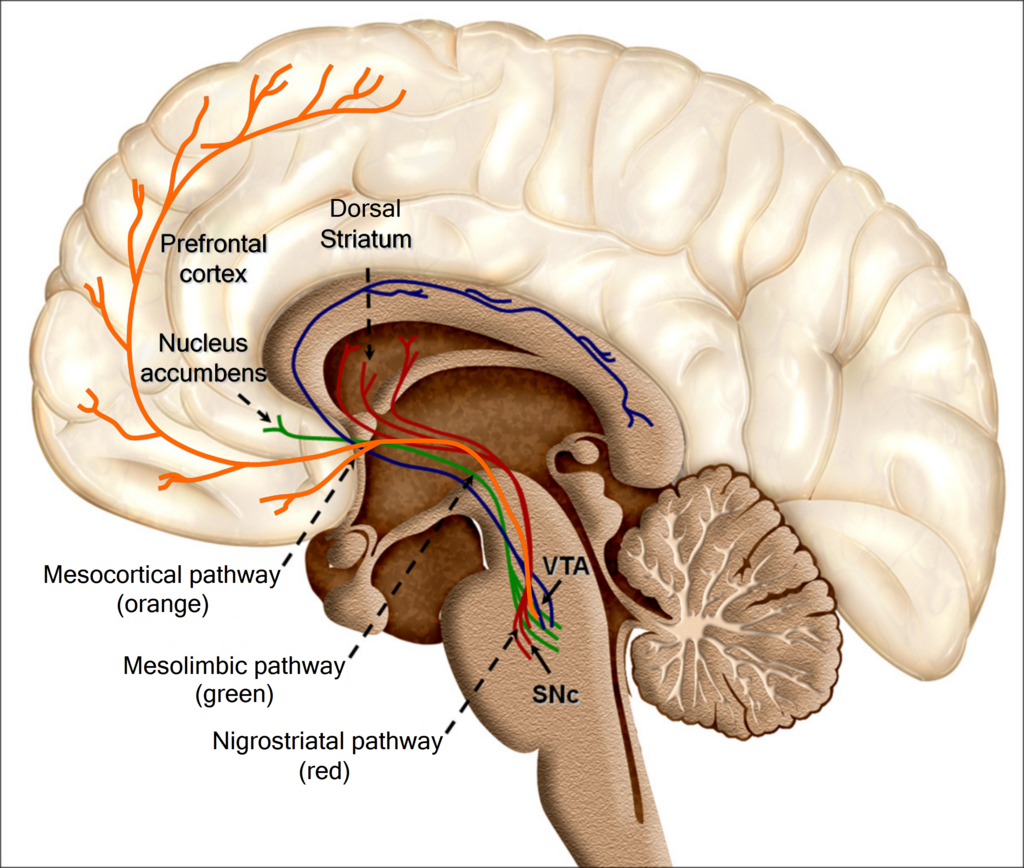
For introverts, the opposite is true. Their dopamine receptors are more sensitive. A little bit of dopamine goes a long way, and too much can lead to overstimulation. The buzz of a crowded room or a day packed with activities can quickly overwhelm an introvert's system, not because they are antisocial, but because their brain is already receiving plenty of stimulation. This explains the feeling of being drained after intense social events and the subsequent need to 'recharge' in a quiet environment.
While extroverts run on the dopamine-fueled external reward system, introverts have a different preferred neurotransmitter: acetylcholine. This chemical is also linked to pleasure, but the rewards are internal. Acetylcholine creates a good feeling when we turn inward, engage in deep thought, read, or concentrate. It allows introverts to feel content and relaxed in low-stimulation settings.
The acetylcholine pathway is like a private reward circuit, favoring focused attention and long-term memory over immediate external feedback.
Pathways of Arousal
These chemical preferences correspond to different dominant pathways in the brain. When an introvert is engaged in thought, blood flows to regions associated with internal processing, such as the frontal lobe and the anterior thalamus. These areas are involved in remembering, planning, and problem-solving. Extroverts, on the other hand, show more activity in posterior brain regions, like the posterior thalamus, which are more involved in processing sensory information from the outside world.
Another critical piece of the puzzle is the (RAS), a network of neurons in the brainstem that acts as a filter for sensory input and regulates our overall arousal level. Think of it as the brain's gatekeeper. Introverts have a naturally higher baseline level of cortical arousal. Their 'gate' is inherently more open, allowing more sensory information to pass through.
Because their baseline arousal is already high, introverts don't need much external stimulation to reach an optimal level of alertness and engagement. In fact, too much input quickly pushes them past this optimal point into a state of being overstimulated and flustered. Extroverts have a lower baseline arousal. Their 'gate' is less open, so they actively seek out external stimuli—loud music, bustling crowds, constant activity—to raise their arousal to a more comfortable and engaging level.
What is the key difference in the dopamine system between introverts and extroverts?
Which neurotransmitter is associated with the internal rewards an introvert feels when reading or concentrating?