Mastering The International Stock Exchange
Offshore Strategic Advantages
A Unique Position
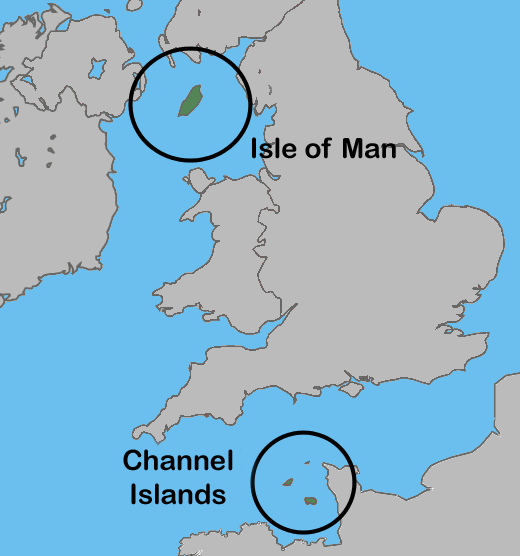
The International Stock Exchange (TISE) operates from a unique position, both geographically and politically. It is headquartered in the Channel Islands, specifically Guernsey and Jersey. These islands are British Crown Dependencies. This means they are self-governing and have their own laws and tax systems, separate from both the United Kingdom and the European Union.
This autonomy is the foundation of their strategic advantage. While they maintain a close relationship with the UK, their independence allows them to create a distinct regulatory environment tailored to international finance.
Regulatory Flexibility
Because the Channel Islands are outside the EU, TISE is not governed by the EU's regulatory framework. This is a critical distinction. Major European exchanges, like the London Stock Exchange (LSE), must comply with extensive EU regulations such as the Market Abuse Regulation (MAR) and the Prospectus Regulation.
These regulations impose strict, detailed disclosure and reporting requirements on listed companies. TISE, being exempt, can offer a more flexible and proportionate disclosure regime. The rules are still robust and internationally recognized, but they are designed to be more commercially focused and less burdensome for certain types of issuers, particularly those dealing in specialist debt.
This streamlined approach reduces the complexity and administrative overhead for companies listing on the exchange, without compromising on core standards of transparency and investor protection.
The table below highlights the key operational differences that stem from this regulatory positioning.
| Feature | The International Stock Exchange (TISE) | London Stock Exchange (LSE) |
|---|---|---|
| Governing Regulation | Channel Islands' local framework | UK & EU Regulations (e.g., MAR) |
| Disclosure Regime | Flexible and proportionate | Highly prescriptive and detailed |
| Primary Market | Specialist debt, high-yield bonds, REITs | Equities (IPOs), government bonds |
| Target Issuer | International SMEs, specialist vehicles | Large multinational corporations |
Tax Neutrality and the Eurobond Exemption
The Channel Islands are tax-neutral jurisdictions. For international investors and issuers, this means there are no layers of local tax to complicate transactions. Specifically, TISE-listed debt securities are not subject to stamp duty. More importantly, interest payments can be made without any local withholding tax.
Withholding Tax
noun
A tax levied by a country on interest or dividends paid to a non-resident. It is 'withheld' from the payment by the payer.
This tax environment makes TISE an ideal venue for listing debt instruments under the UK's 'Quoted Eurobond Exemption' (QEE). This is a provision in UK tax law that allows UK-based corporate borrowers to pay interest to overseas lenders without deducting the standard UK withholding tax. To qualify, the debt must be listed on a 'recognised stock exchange' as defined by HM Revenue & Customs (HMRC).
TISE is one such recognised exchange. For companies, especially those issuing high-yield bonds to a global investor base, listing on TISE provides a straightforward and efficient way to qualify for the QEE. This is a primary driver of TISE's success as a major hub for international debt capital.
Offshore investment bonds give expats a tax-efficient way to keep various assets in one wrapper.
The TISE Guarantee
Beyond its regulatory and tax advantages, TISE competes on service and speed. It offers the 'TISE Guarantee', a commitment to predictable review timelines for listing applications. For an initial application for a new security, TISE commits to providing comments within three business days. For subsequent reviews, the turnaround is just one business day.
This predictability is highly valuable in time-sensitive transactions. Combined with lower listing fees compared to major global exchanges, TISE offers a compelling, cost-efficient alternative for issuers who do not require the deep liquidity of a market like the LSE but need a credible and responsive listing venue.
Let's review the key strategic advantages of TISE.
What is the primary political status of the Channel Islands, where TISE is headquartered, that gives the exchange its strategic advantage?
A key reason UK companies list debt on TISE is to qualify for the 'Quoted Eurobond Exemption' (QEE). What does this exemption allow them to do?
TISE's success demonstrates how a specialized exchange can thrive by leveraging the unique regulatory and tax environment of its home jurisdiction to serve a specific niche in the global capital markets.