Mastering The Hero's Journey for Storytelling
Introduction to The Hero's Journey
The Story You Already Know
Every culture tells stories. From ancient myths whispered around a fire to the latest blockbuster movie, stories are how we make sense of the world and our place in it. You might be surprised to learn that many of these tales, despite their different characters and settings, follow the same fundamental pattern.
The Hero’s Journey is a pattern of narrative identified by the American scholar Joseph Campbell that appears in drama, storytelling, myth, religious ritual, and psychological development.
This powerful framework is often called the "monomyth," or the one myth. It's the idea that all hero stories are, at their core, variations of a single great story. The term was popularized by a scholar named Joseph Campbell.
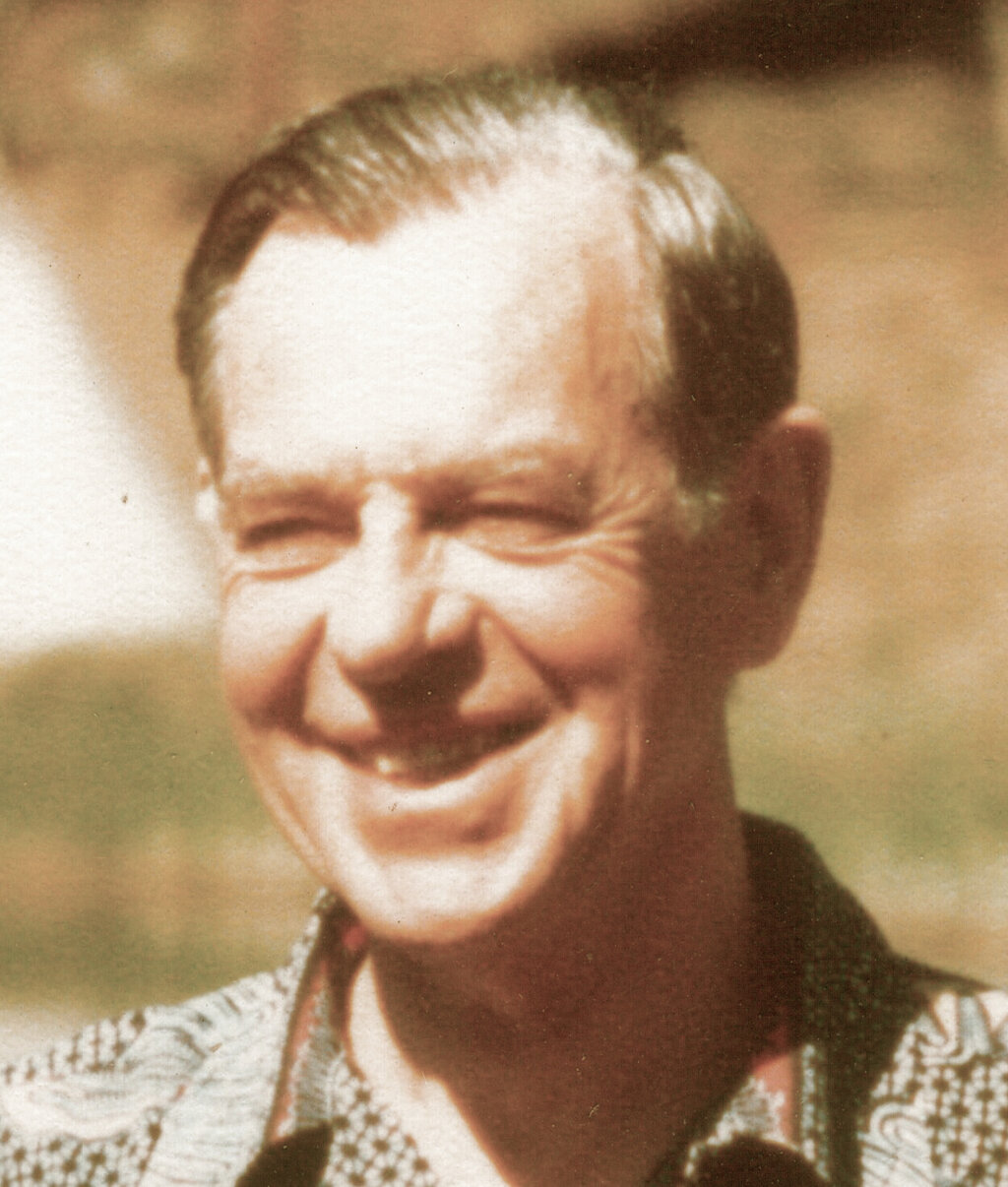
In his 1949 book, The Hero with a Thousand Faces, Campbell studied myths from all over the world. He noticed a recurring structure in the adventures of heroes from different traditions. Whether it was Odysseus from ancient Greece, the Buddha from India, or Moses from the Hebrew Bible, they all seemed to follow a similar path. Campbell's groundbreaking work wasn't about inventing a formula, but about identifying a pattern that was already there, hidden in plain sight.
Why It Works
The Hero's Journey resonates so deeply because it mirrors our own lives. We may not fight dragons or travel to distant galaxies, but we all face challenges, overcome obstacles, and grow from our experiences. The journey is a metaphor for personal transformation.
The basic structure involves a hero who goes on an adventure, wins a victory in a decisive crisis, and comes home changed or transformed. It taps into universal human experiences of fear, struggle, and triumph. That's why these stories feel so familiar and satisfying, no matter the culture or the era.
The journey is typically broken down into three main parts: Separation, Initiation, and Return. First, the hero leaves their familiar world behind. Next, they face a series of trials in an unfamiliar, special world. Finally, they return to their old world with a newfound wisdom or power that benefits their community.
The Journey in Pop Culture
Once you know the pattern, you'll start seeing it everywhere. George Lucas famously used Campbell's work to create Star Wars. Luke Skywalker begins as a simple farm boy (the ordinary world), receives a call to adventure from a wise mentor (Obi-Wan Kenobi), faces trials (the Death Star), and returns as a hero.
The same structure underpins The Lord of the Rings, where Frodo Baggins leaves the comfort of the Shire to destroy the One Ring. It’s also the blueprint for the Harry Potter series, following a young wizard's journey from an ordinary life to confronting the ultimate evil.
At its heart, the journey is about transformation. The hero at the end of the story is never the same person who started it.
Understanding this framework doesn't just help us appreciate our favorite stories more. It gives writers, filmmakers, and creators a powerful tool to craft narratives that feel meaningful and connect with audiences on a fundamental level.