Mastering The Hero's Journey for Storytelling
Introduction to The Hero's Journey
The Universal Story
From ancient myths to modern blockbusters, many of the most compelling stories feel strangely familiar. A farm boy who saves the galaxy, a young wizard who confronts a dark lord, a hobbit who travels to a dangerous volcano — they all follow a similar path. This underlying pattern is known as the Hero's Journey.
The Hero's Journey is a narrative framework that describes a hero's adventure, transformation, and return home.
This powerful storytelling structure wasn't invented by a screenwriter. It was identified by an American professor named Joseph Campbell. He was a mythologist who spent his life studying the world's stories. He noticed that cultures from every corner of the globe, across thousands of years, told tales that shared a fundamental structure. He called this universal pattern the "monomyth."
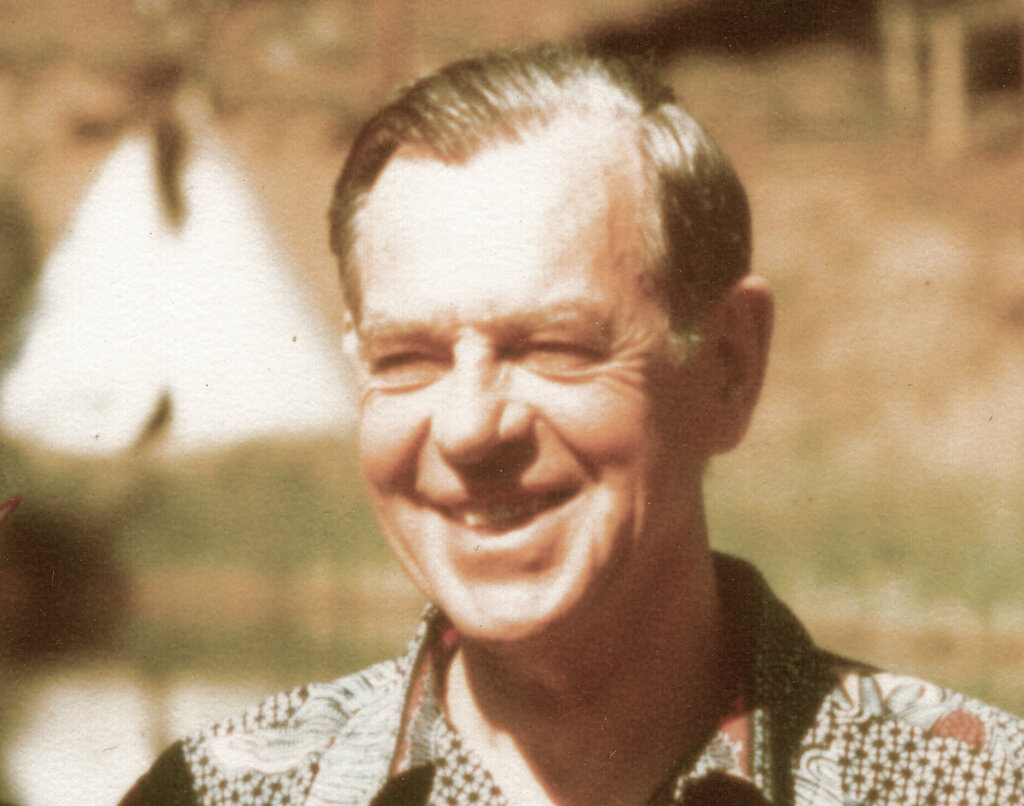
In his influential 1949 book, The Hero with a Thousand Faces, Campbell laid out this blueprint. He argued that these stories aren't just entertainment. They are roadmaps for navigating the challenges of life. They speak to our shared human experience of facing the unknown, overcoming obstacles, and growing into a more capable version of ourselves.
The Three Main Acts
Campbell broke the monomyth down into a cycle with three main acts. While he identified 17 specific stages, they all fall within these broader phases.
- Departure: The hero starts in a normal, everyday world but receives a call to adventure. After some hesitation, they leave their familiar surroundings behind.
- Initiation: This is the heart of the journey. The hero ventures into an unknown world, faces a series of trials, confronts their greatest fear, and achieves a major victory. This process transforms them.
- Return: The hero comes back to their ordinary world, but they are not the same person. They bring with them a reward, a lesson, or a new wisdom that benefits their community.
The Hero: From Hercules and Odysseus to Rama and Moana, the hero’s journey is a near-universal pattern.
This structure is so effective because it mirrors the psychological process of growth. We all leave the comfort of the familiar, face challenges that test us, and ideally, emerge wiser and stronger. When a story taps into this universal pattern, it resonates on a deep, almost subconscious level. We don't just watch the hero's journey; we feel it.
Understanding this framework is the first step to crafting powerful stories. It’s not a rigid formula but a flexible guide that has shaped countless memorable tales. Now, let's check your understanding of these core concepts.
The scholar credited with identifying the universal storytelling pattern known as the "monomyth" is...
A character receives a mysterious map leading to a lost city, but initially dismisses it and prefers to stay home. This hesitation is part of which main stage of the Hero's Journey?
This structure provides the foundation for countless stories. Next, we will explore the specific stages within each of these three acts.