Mastering The Hero's Journey For Storytelling
Introduction to Mythology
More Than Just Old Tales
Before we had science to explain the seasons or psychology to explore the human mind, we had myths. These stories, passed down through generations, were humanity's first attempt to make sense of a world that was often chaotic and mysterious. They are not just fairy tales about gods and monsters; they are the foundational narratives that have shaped cultures and guided societies for millennia.
Myth
noun
A traditional story, especially one concerning the early history of a people or explaining some natural or social phenomenon, and typically involving supernatural beings or events.
At their core, myths answer the big questions: Where did we come from? Why is there suffering? What happens after we die? By weaving tales of powerful deities, cunning tricksters, and epic heroes, people created a shared understanding of their world and their place within it.
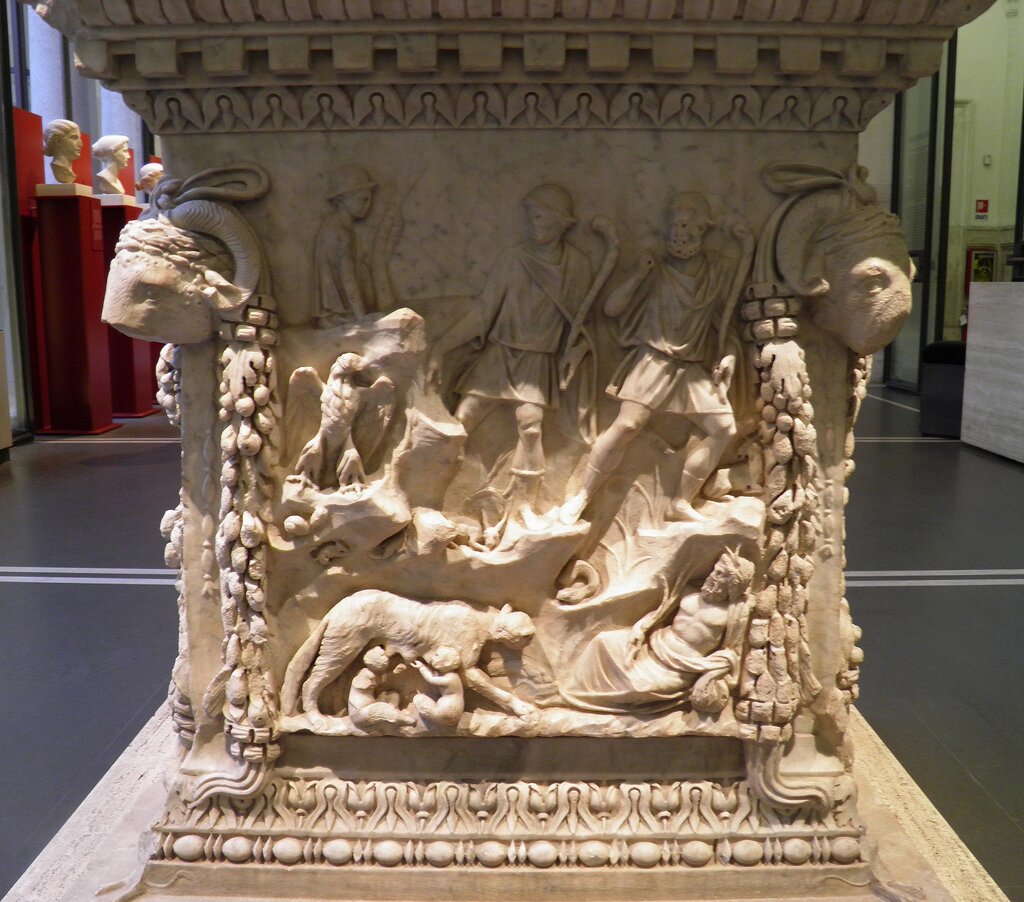
Why We Tell Stories
Myths served practical purposes. They were the original instruction manuals for how to live. A story about a hero punished for arrogance taught humility, while a tale of a benevolent god rewarding kindness encouraged compassion. These narratives established social norms and moral codes, binding communities together with a common set of values.
They also functioned as the first science textbooks. A myth about a sun god driving his chariot across the sky explained the daily passage of the sun. The story of a goddess mourning her captured daughter, causing the plants to wither, explained the changing of the seasons. These explanations gave people a sense of order and predictability in a world ruled by powerful, unseen forces.
Myths give us a framework to understand our world, our history, and ourselves. They are the software of a culture.
Same Stories, Different Names
One of the most fascinating aspects of mythology is how similar themes appear in cultures that had no contact with one another. From ancient Mesopotamia to the indigenous tribes of the Americas, people told stories about a great flood that wiped out humanity, a heroic figure who slays a great beast, and the creation of the world from a cosmic egg or primordial chaos.
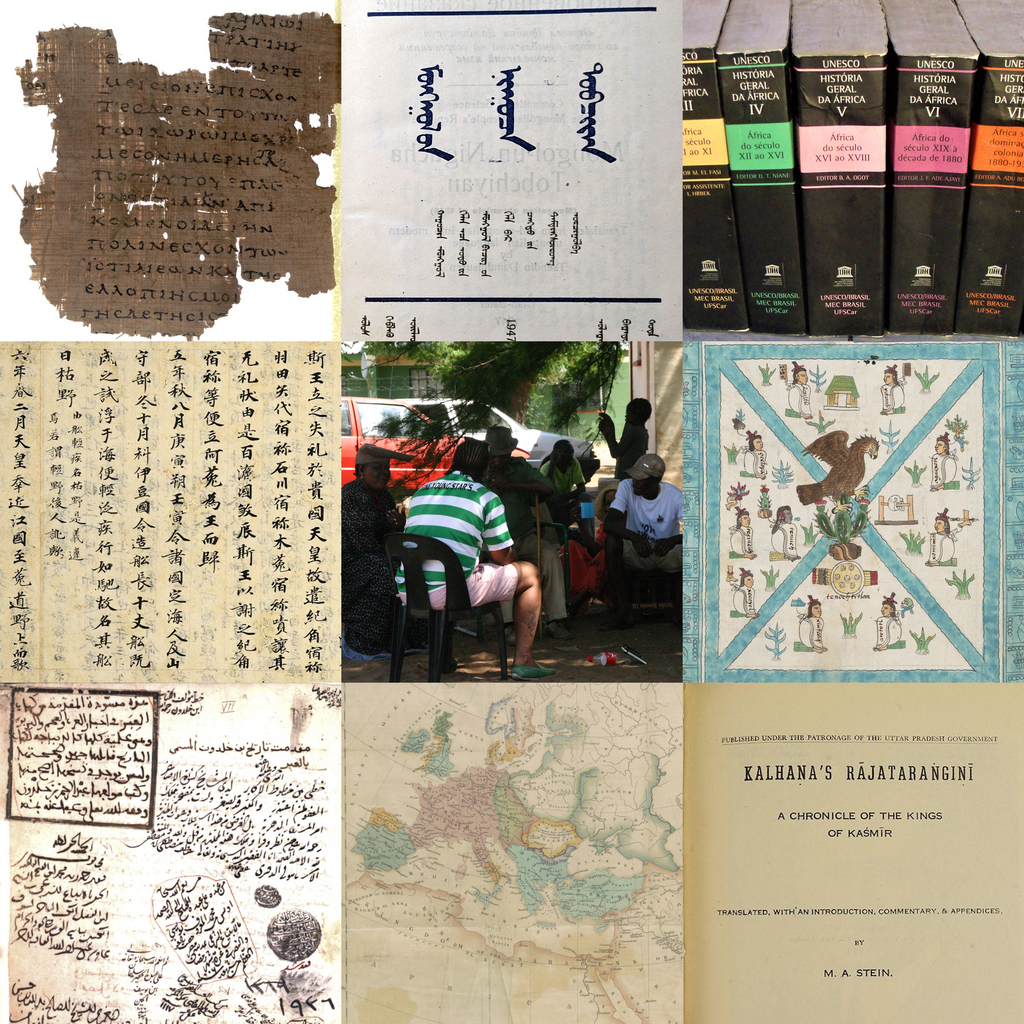
This universality suggests that myths tap into fundamental aspects of the human experience. We all grapple with the same basic fears, hopes, and questions, and our stories reflect that. Take a look at how different cultures handled the idea of a great flood.
| Culture | Flood Myth | Protagonist(s) |
|---|---|---|
| Mesopotamian | Epic of Gilgamesh | Utnapishtim |
| Hebrew | Book of Genesis | Noah |
| Greek | Ovid's Metamorphoses | Deucalion & Pyrrha |
| Hindu | Matsya Purana | Manu |
These recurring patterns in our oldest stories tell us something profound about ourselves. They reveal a shared narrative blueprint, a common way of making sense of life's journey. By studying these tales, we're not just learning about the past; we're exploring the very structure of human imagination.
According to the text, what was a primary function of myths in early societies before the advent of modern science?
The appearance of similar themes, such as a great flood, in myths from cultures that had no contact with each other suggests that...
Myths are the bedrock of storytelling, providing the patterns that storytellers still use today.