Mastering the Grade 1 Classroom
Transitioning from Grade R
The Big School Leap
The move from Grade R to Grade 1 is one of the biggest shifts in a child's life. They leave a world centred on play-based learning and enter the more formal, structured environment of 'big school'. Suddenly, the day is organised into distinct subjects like Mathematics and Home Language, with specific outcomes and a faster pace. For a six or seven-year-old, this change can feel enormous.
Developmentally, children at this age are undergoing a cognitive explosion. They are moving from concrete thinking to more abstract reasoning. Their attention spans are growing, allowing them to focus on tasks for longer periods. They are also developing a stronger sense of self and are more aware of social rules and expectations. This makes them ready for structured learning, but the transition needs careful management to avoid causing anxiety.
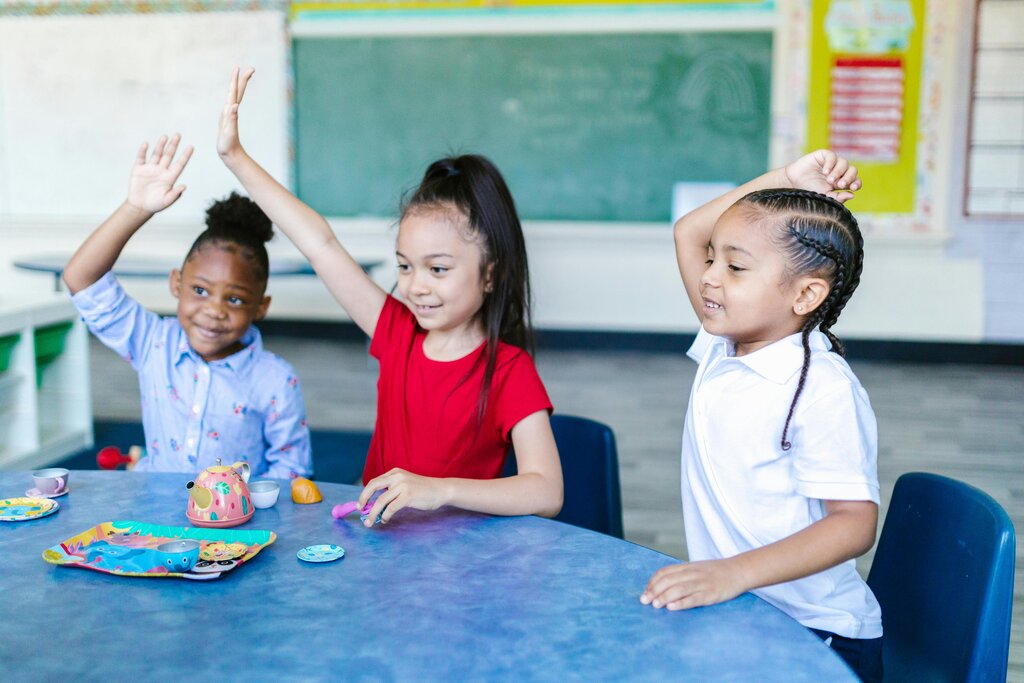
The core challenge is bridging the gap between Grade R's informal, exploratory style and Grade 1's academic demands. In Grade R, learning happens organically through guided play. In Grade 1, the CAPS framework requires a more systematic approach. The goal isn't to abandon play but to evolve it. 'Play-with-purpose' from Grade R becomes structured games that reinforce phonic sounds or number bonds. The sandpit is replaced with counting beads, but the hands-on principle remains.
A Mixed Bag Classroom
A key factor shaping the Grade 1 classroom is the '' for Grade R. Under CAPS, learners automatically progress to Grade 1, regardless of their developmental readiness. While this policy aims to prevent early stigmatisation, it means a Grade 1 teacher inherits a class with a very wide range of abilities and emotional maturity. Some children will be reading simple words, while others may still be learning to identify letters.
This diversity is why identifying each child's starting point is non-negotiable. Teachers use baseline assessments in the first few weeks to get a clear picture of the classroom. These aren't formal tests but a series of observations and simple tasks. Can the learner hold a pencil correctly? Can they recognise their own name? Can they count to ten? Do they follow two-step instructions? This information is critical for planning and for identifying learners who may need extra support.
The baseline assessment isn't about judging a child. It's about understanding their unique starting line so the teacher knows how to help them run the race.
Creating Continuity
A successful transition depends on creating a sense of continuity and safety. The Grade 1 classroom should feel like a natural next step, not a completely alien world. This can be achieved by incorporating familiar routines from Grade R, like a morning greeting circle or story time. Maintaining a nurturing, positive atmosphere where mistakes are seen as learning opportunities is vital.
The pace of Grade 1 is demanding, driven by the curriculum requirements. By bridging the gap thoughtfully, teachers help learners build the confidence and foundational skills needed to thrive. It’s about honouring the playful spirit of Grade R while gently introducing the structure and routines that will set them up for a lifetime of learning.
Ready to check your understanding of this critical school transition?
What is the primary difference between the learning environment in Grade R and Grade 1?
What is the main purpose of a 'baseline assessment' at the beginning of Grade 1?
Managing this transition effectively sets the tone for a child's entire primary school journey, making it a crucial focus for any foundational phase educator.