Mastering the Glycolytic Pathway
Hexose Activation Phase
Priming the Pump: The Investment Phase
Glycolysis begins by spending a little energy to make a lot more later. This first stage, often called the energy investment phase, uses two ATP molecules to prepare a single six-carbon glucose molecule for the main event: being split in half. These initial steps rearrange and destabilize the glucose, adding phosphate groups to make it reactive and ensure it's committed to the pathway.
Step 1: Trapping Glucose
Once glucose enters a cell, it needs to be kept there. This is the job of the enzyme hexokinase. It grabs the glucose molecule and transfers a phosphate group from an ATP molecule onto it, forming glucose-6-phosphate (G6P). This phosphorylation does two things: it makes the G6P molecule negatively charged, preventing it from crossing the cell membrane, and it marks the glucose for breakdown.
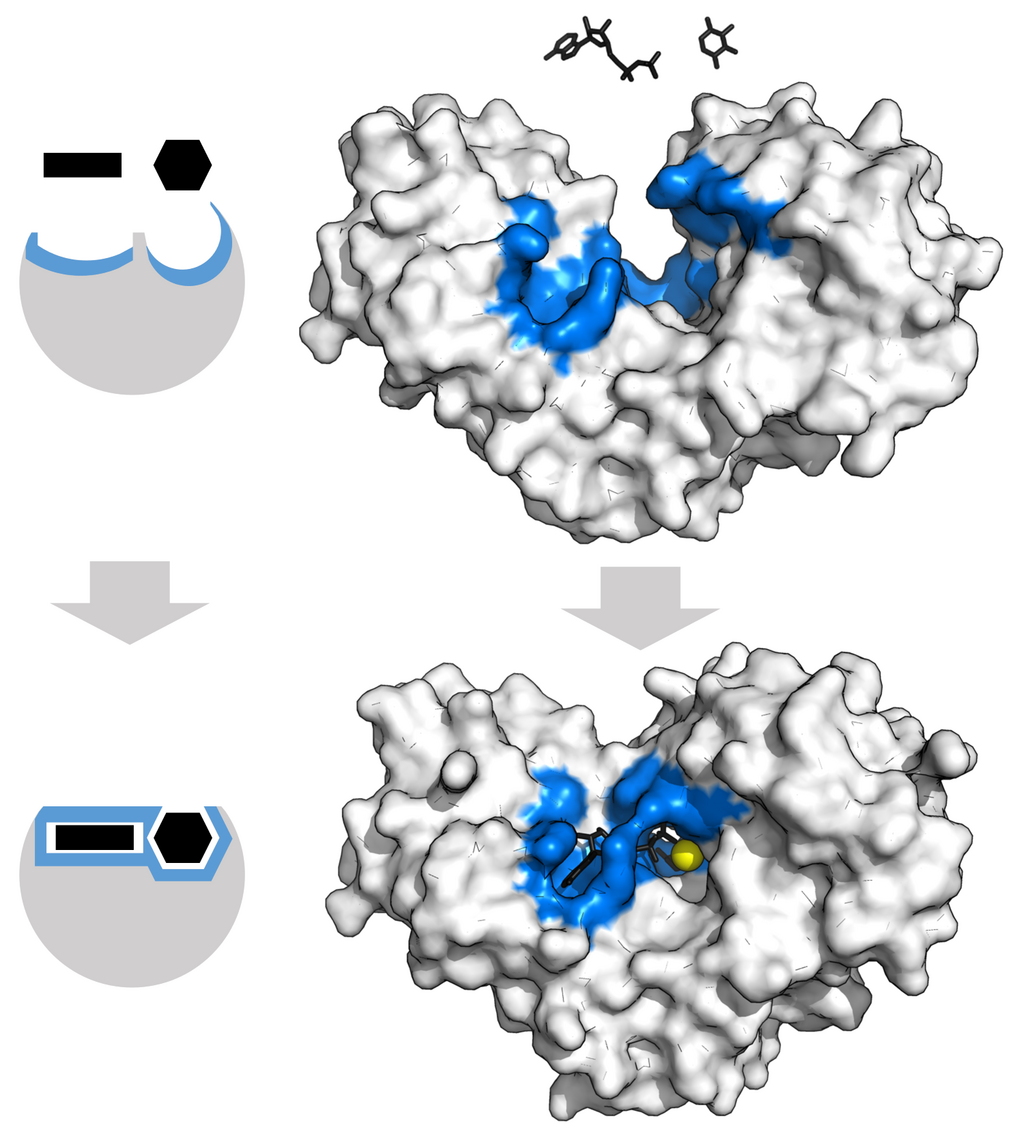
This reaction isn't just a simple collision. Hexokinase uses an to ensure precision. When glucose binds, the enzyme clamps down around it, creating a perfect environment for the phosphate transfer and excluding water, which could otherwise interfere by hydrolyzing the ATP. It’s a beautiful example of form following function at the molecular level.
Most cells in your body use hexokinase. However, the liver and pancreas use a specialized version called . The key difference lies in their kinetics. Hexokinase has a high affinity for glucose (a low ), meaning it works at full speed even when glucose levels are low. Glucokinase has a much lower affinity (a high ), so it only becomes active when glucose is abundant, like after a carbohydrate-rich meal. This allows the liver to act as a glucose buffer for the blood.
Steps 2 & 3: Rearrangement and Commitment
Next, the enzyme phosphoglucose isomerase steps in. It converts glucose-6-phosphate into its isomer, fructose-6-phosphate. This might seem like a minor change, but it's crucial. The goal is to create a symmetrical molecule that can be easily split into two three-carbon pieces. Converting the six-membered glucose ring into a five-membered fructose ring sets the stage for the next phosphorylation to occur at the first carbon, making that split possible.
The third step is the most important control point in all of glycolysis. The enzyme (PFK-1) uses a second ATP molecule to add another phosphate group, creating fructose-1,6-bisphosphate. This reaction is the committed step. Once this molecule is formed, it has no other metabolic fate except to proceed through the rest of glycolysis. PFK-1 is highly regulated, acting like a throttle on the entire pathway.
At this point, two ATP molecules have been invested to create fructose-1,6-bisphosphate. The molecule is now symmetrical, energized, and ready to be split.
And with that, the investment phase is complete. The hexose sugar has been activated and prepared for cleavage, which marks the beginning of the energy payoff phase.