Mastering the Game of Mahjong
Mahjong Basics
The World of Mahjong
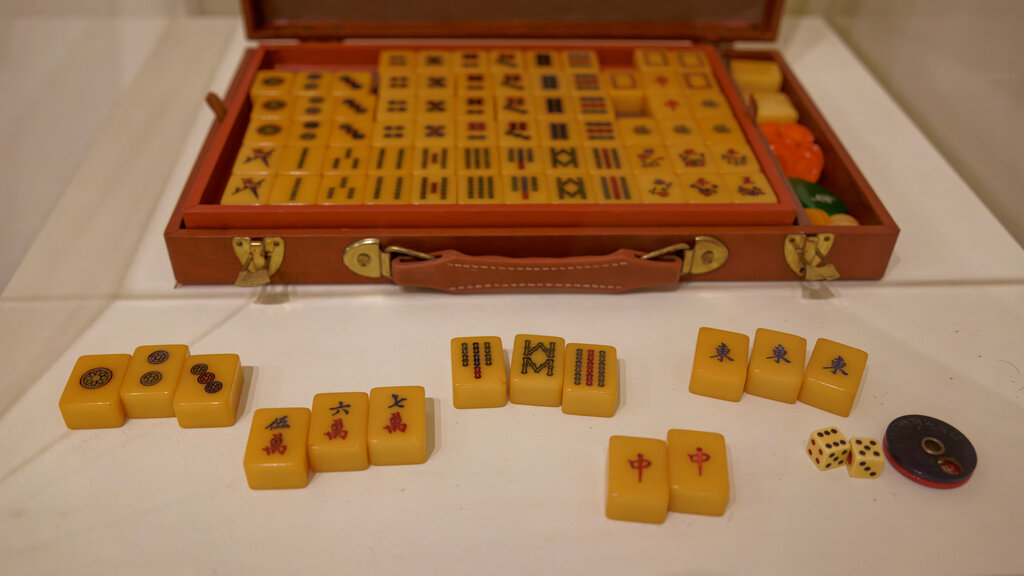
Mahjong is a game of skill, strategy, and a little bit of luck, played with a set of 144 tiles based on Chinese characters and symbols. Though it can seem complex at first, its core is about collecting sets of tiles, much like card games such as rummy.
The game originated in China during the Qing dynasty in the mid-19th century. It quickly became popular across the country and spread internationally in the early 20th century. Different versions of Mahjong are now played all over the world, each with its own slight variations in rules and scoring.
Meet the Tiles
A standard Mahjong set has 144 tiles, divided into three main categories: suits, honors, and bonus tiles. Most of the game revolves around collecting sets from the suit and honor tiles.
There are three suits in Mahjong: Dots, Bamboo, and Characters. Each suit is numbered one through nine, with four identical copies of each tile.
| Suit | Also Known As | Description |
|---|---|---|
| Dots | Circles, Balls | Tiles with 1 to 9 circles. |
| Bamboo | Bams, Sticks | Tiles with 1 to 9 bamboo sticks. |
| Characters | Craks, Wan | Tiles with the Chinese character for a number from 1 to 9. |
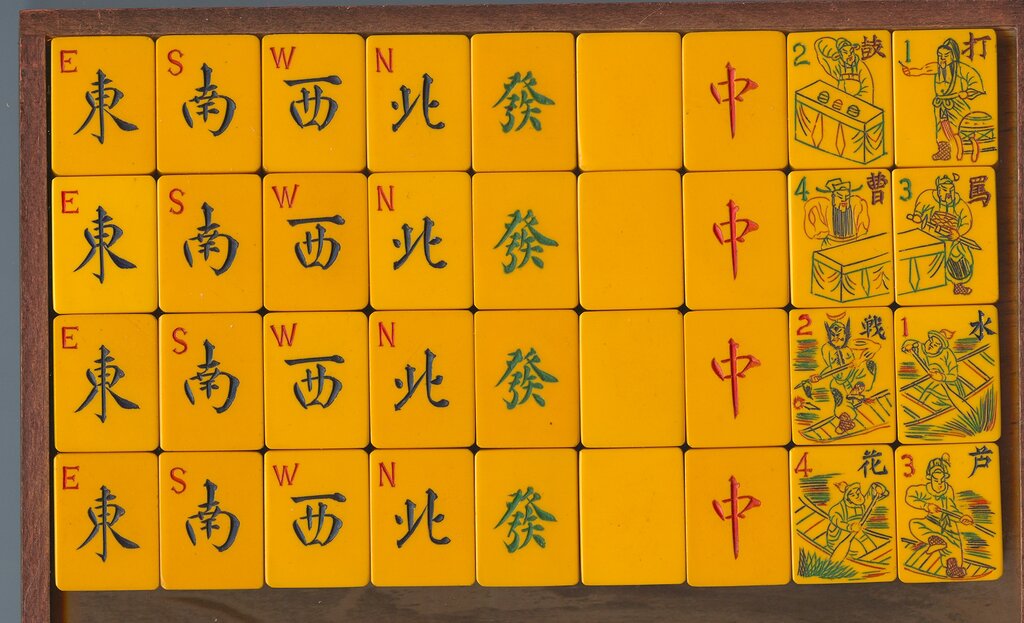
Next are the Honor tiles. These don't have numbers or a sequential order. Instead, they are divided into two groups: the Winds and the Dragons.
- Winds: East, South, West, and North.
- Dragons: Red, Green, and White (often a blank tile).
Like the suit tiles, there are four identical copies of each Wind and Dragon tile.
Finally, there are the Bonus tiles: Flowers and Seasons. There are four Flower tiles and four Season tiles, and each one is unique. These tiles are not used to make sets but provide bonus points when drawn. Not all versions of Mahjong use them.
The Flow of the Game
A game of Mahjong is typically played with four players. Here’s a basic overview of how a round begins and how turns work.
Setup and Dealing First, all tiles are shuffled face down. Players then build a two-tiered wall of tiles in front of them. The dealer (determined by a dice roll) starts the game. Dice are rolled again to determine where to break the wall to begin dealing. Each player receives 13 tiles, with the dealer starting with an extra 14th tile.
Taking a Turn The dealer begins by discarding one tile face up in the center of the table. Play then proceeds counter-clockwise. On your turn, you draw a tile from the wall and then discard one from your hand. The goal is to form a winning hand, which usually consists of four sets (of three tiles each) and a pair.
A set can be a pung (three identical tiles) or a chow (a run of three consecutive tiles in the same suit). When a player discards a tile, another player who can use it to complete a set can claim it, interrupting the normal turn order. After claiming the tile, they must reveal their set and then discard a tile.
The game continues with players drawing and discarding until one person completes a valid winning hand and declares "Mahjong!"
What is the country of origin for the game of Mahjong?
How many tiles are typically found in a standard Mahjong set?
That's the basic flow. Understanding the tiles and the turn sequence is the first big step to playing. From here, you can start to learn about building hands and the specific rules of the version you're playing.