Mastering the Future Perfect Tense
Introduction to Future Perfect Tense
Looking Back from the Future
Imagine it's Friday afternoon. You're looking forward to the weekend, but you still have a report to finish. You know you'll get it done before you leave the office. How can you talk about this finished action from a future perspective?
This is where the future perfect tense comes in. We use it to talk about an action that will be completed before a specific point in the future. It’s like standing at a point in the future and looking back at a completed task.
The future perfect describes a completed action in the future.
The structure for this tense is straightforward. You combine will have with the past participle of the main verb. The past participle is the form of the verb you'd use with have in the present perfect (like eaten, seen, or finished).
Let’s look at our report example. If you plan to finish it by 5 PM, you can say:
- By 5 PM, I will have finished my report.
Here, the future point is 5 PM. The action of finishing the report will happen before then.
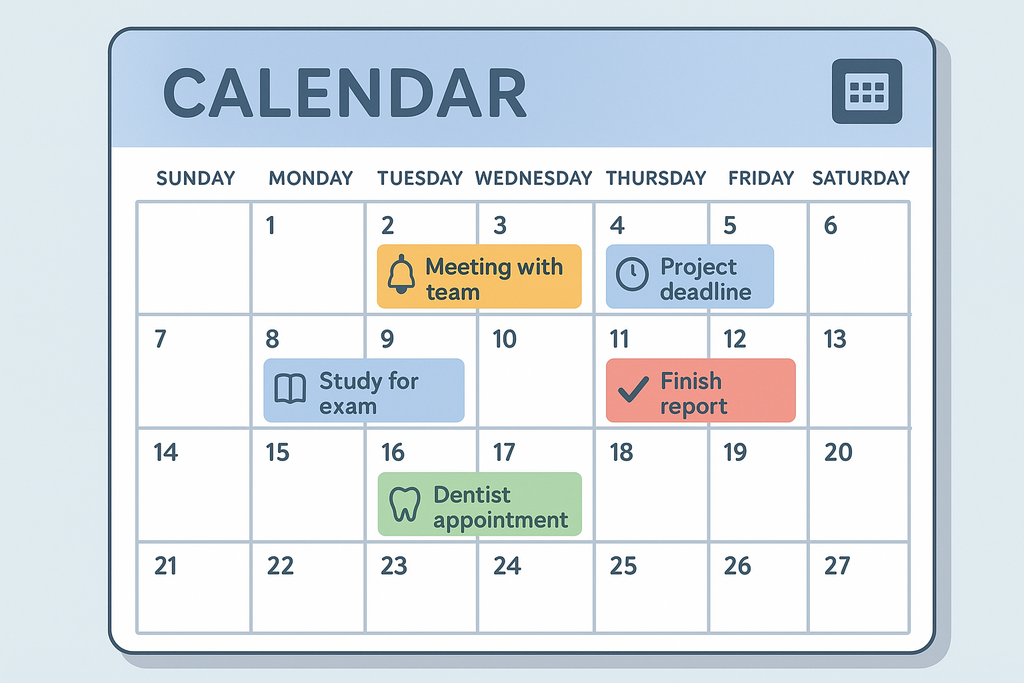
Here are a few more simple examples. Notice how each sentence has a future deadline and an action that will be completed before that deadline.
- By December, the construction company will have built the new bridge.
- She will have read the entire book before her book club meeting.
- Next month, I will have saved enough money for a new bike.
In each case, we're jumping forward in time and mentioning an accomplishment that is, from that future standpoint, already in the past.