Mastering the French Letter A
Introduction to French Vowels
The Vowel Sounds
Mastering French pronunciation starts with the vowels. Unlike in English, where a single vowel can have many sounds, French vowels are generally more consistent. They are also 'pure,' meaning they don't glide into another sound. Think of the English word 'go'. Notice how your mouth closes at the end, making an 'oo' sound? French vowels don't do that. The sound is crisp and constant from start to finish.
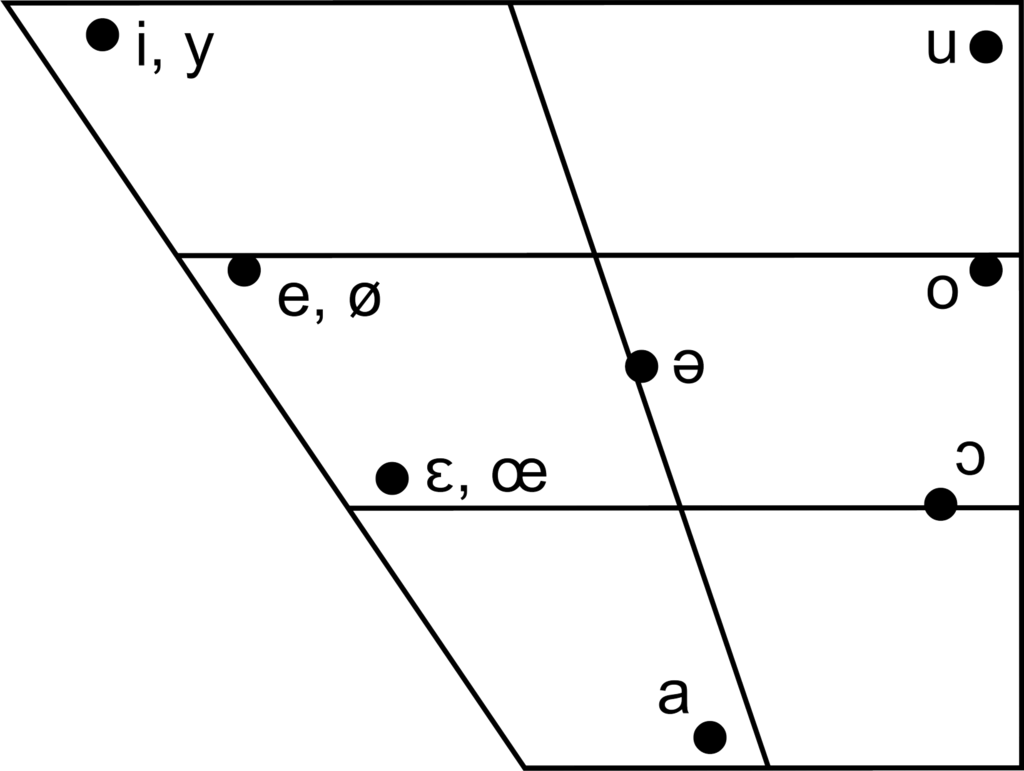
Let's start with the letter 'A'. In French, its most common sound is open and bright, similar to the 'a' in the English word 'father', but often shorter.
To make this sound, relax your jaw and keep your tongue low and flat in your mouth. The sound should come from the front.
cat
Accents Change the Sound
Sometimes, you'll see the letter 'A' with an accent mark, like à or â. These accents can change the meaning of a word and sometimes its pronunciation.
The grave accent (à) doesn't change the sound of 'A'. It's used to tell words apart, like a (has) versus à (to/at).
The circumflex (â), however, makes the sound a bit longer and more open, produced further back in the mouth. It's closer to the 'a' in the American English 'law'.
| Letter | IPA Symbol | Example Word | English Meaning |
|---|---|---|---|
| a | /a/ | papa | dad |
| à | /a/ | là | there |
| â | /ɑ/ | pâte | paste |
The symbols /a/ and /ɑ/ come from the International Phonetic Alphabet (IPA), which helps us describe sounds precisely. For now, just focus on listening to the difference. The 'â' sound is deeper and held a little longer.
Ready to check your understanding? Let's see how well you've grasped these vowel sounds.
What is a key characteristic of French vowels compared to many English vowels, like the 'o' in 'go'?
The most common sound of the French letter 'a' (without an accent) is similar to the 'a' in which English word?
Getting a feel for the different 'A' sounds is a great first step. With practice, you'll start to hear and make these sounds naturally.