Mastering the Freemium Model
Introduction to Freemium
What is Freemium?
Many of the digital services you use every day likely operate on a simple but powerful idea: you can get the basics for free, but you have to pay for the good stuff. This is the core of the freemium business model.
freemium
noun
A business model, especially for software, where a basic version of a product is offered for free, while users are charged for more advanced features, functionality, or related services.
The name itself is a blend of "free" and "premium." Think of a photo editing app. The free version might let you crop photos and apply a few standard filters. But if you want to access advanced tools like object removal or a wider selection of artistic filters, you'll need to upgrade to the paid, premium version.
The goal is to attract a large number of users with a genuinely useful free product. The company then hopes a small percentage of those users will find the product so valuable that they're willing to pay for the enhanced experience.
A Brief History
The idea of giving away a basic product to sell an advanced one isn't new. A classic example is Gillette, which reportedly gave away razors to sell its disposable blades. But the modern freemium model has its roots in the software world of the 1980s and 90s, with a distribution method called "shareware."
Shareware programs were free to copy and share. You could try the software for a limited time or with limited features. If you liked it and wanted the full version, you would mail the creator a check. This "try before you buy" approach was revolutionary in an era of expensive, boxed software.
The actual term "freemium" was coined much later. In 2006, after venture capitalist Fred Wilson asked his community for a name for this model, a reader named Jarid Lukin proposed "freemium" in the comments section. The name stuck.
The rise of the internet, mobile app stores, and cloud computing created the perfect environment for the freemium model to flourish. For digital products, the cost to serve one more free user is often close to zero. This allows companies to scale their user base massively without a proportional increase in costs, something that was impossible with physical goods.
Significance in the Digital Economy
Freemium has become a dominant strategy in the digital world for a simple reason: it fundamentally changes the relationship between a company and its potential customers.
The appeal of the freemium model lies in its ability to attract a large user base by removing barriers to entry and providing a free product or service, while still generating revenue from a subset of users who are willing to pay for additional features or functionality.
Instead of relying on advertising and sales pitches to convince someone to buy a product they've never tried, freemium lets the product speak for itself. It removes the risk for the consumer. You can integrate a service into your daily life without ever paying a dime. This builds trust and demonstrates the product's value firsthand.
This approach has become the standard for countless software-as-a-service (SaaS) companies, productivity tools, online games, and media platforms. It's a powerful engine for user acquisition in a crowded digital marketplace, allowing new ideas to gain traction quickly by offering immediate, tangible value for free.
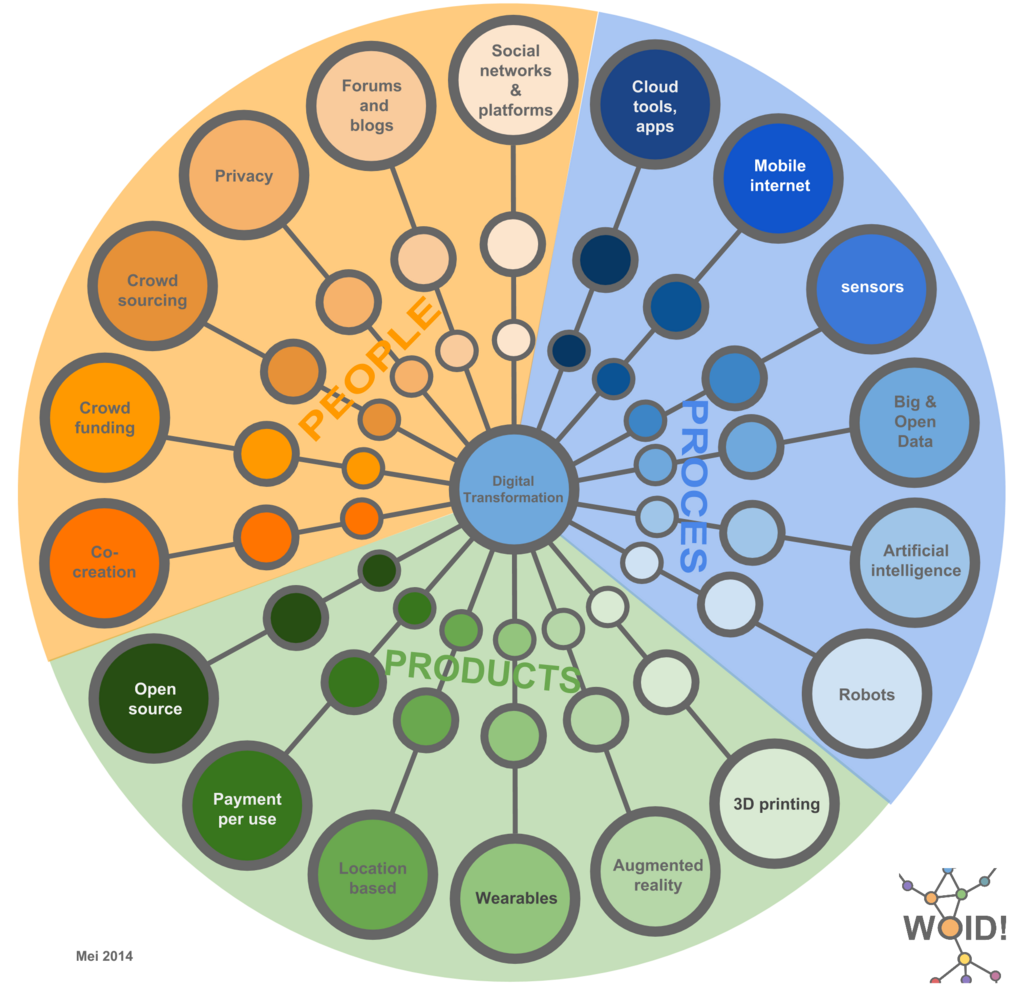
By understanding what freemium is and how it evolved, you can better recognize the business strategies behind many of the digital tools you interact with every day.