Mastering the Freemium Model
Introduction to Freemium
The Power of Free
Many of today's most popular digital products, from streaming services to productivity tools, share a common strategy: they let you in the door for free. This approach has a name, and it has fundamentally changed how businesses attract and retain customers.
Freemium
noun
A business model that offers a basic version of a product or service for free, while charging for advanced features, functionality, or related products and services.
The term itself is a blend of "free" and "premium." The core idea is to lower the barrier to entry, allowing a large number of people to try a product without any financial commitment. The business then aims to convert a small fraction of these free users into paying customers by offering them something more valuable.
The appeal of the freemium model lies in its ability to attract a large user base by removing barriers to entry and providing a free product or service, while still generating revenue from a subset of users who are willing to pay for additional features or functionality.
A Brief History
While the term "freemium" is relatively new, the concept isn't. Its roots can be traced back to the shareware model of the 1980s and 90s. Software developers would distribute their programs freely, hoping users would find them useful enough to pay for the full, unrestricted version. Think of early computer games that gave you the first few levels for free.
The model truly took off with the rise of the internet. Distributing digital products became virtually costless, making it feasible to give away a basic version to millions of users. The term "freemium" was officially coined in 2006 by venture capitalist Fred Wilson, who described it as a model where you "Give your service away for free, possibly ad supported but maybe not, acquire a lot of customers very efficiently through word of mouth, referral networks, organic search marketing, etc., then offer premium valued added services or an enhanced version of your service to your customer base."
Significance in Today's Market
In the crowded digital marketplace, getting a potential customer's attention is a major challenge. Freemium has become a go-to strategy because it serves as a powerful marketing tool. Instead of just telling people about a product through ads, a freemium model lets the product speak for itself.
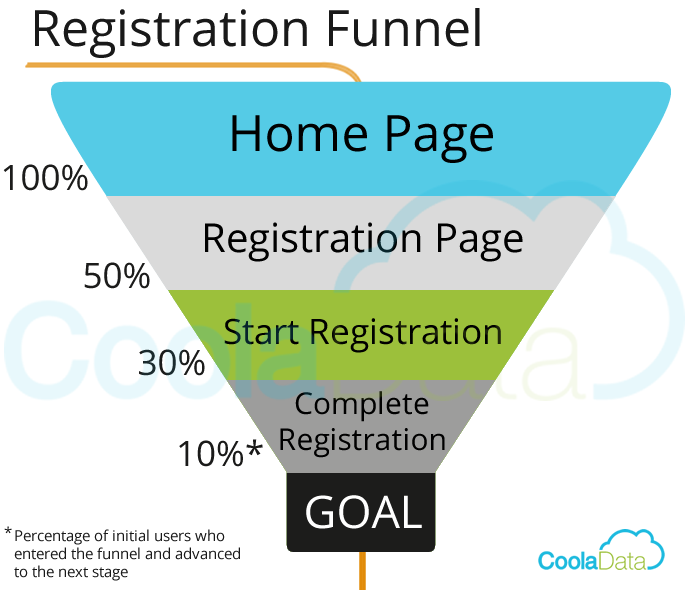
Users can experience the core value of an application firsthand, which builds trust and familiarity. This creates a natural funnel where engaged users, who have already integrated the product into their lives, are more likely to see the value in upgrading for enhanced features. This strategy allows companies to build a massive user base quickly, which can be a significant competitive advantage.
From cloud storage services like Dropbox to project management tools like Trello and entertainment apps like Spotify, the freemium model is everywhere. It has proven to be an effective way to capture a market, scale a user base, and build a sustainable revenue stream from a dedicated core of paying customers.