Mastering the Five Ways of Attack
Initiative Foundations
Taking the Lead
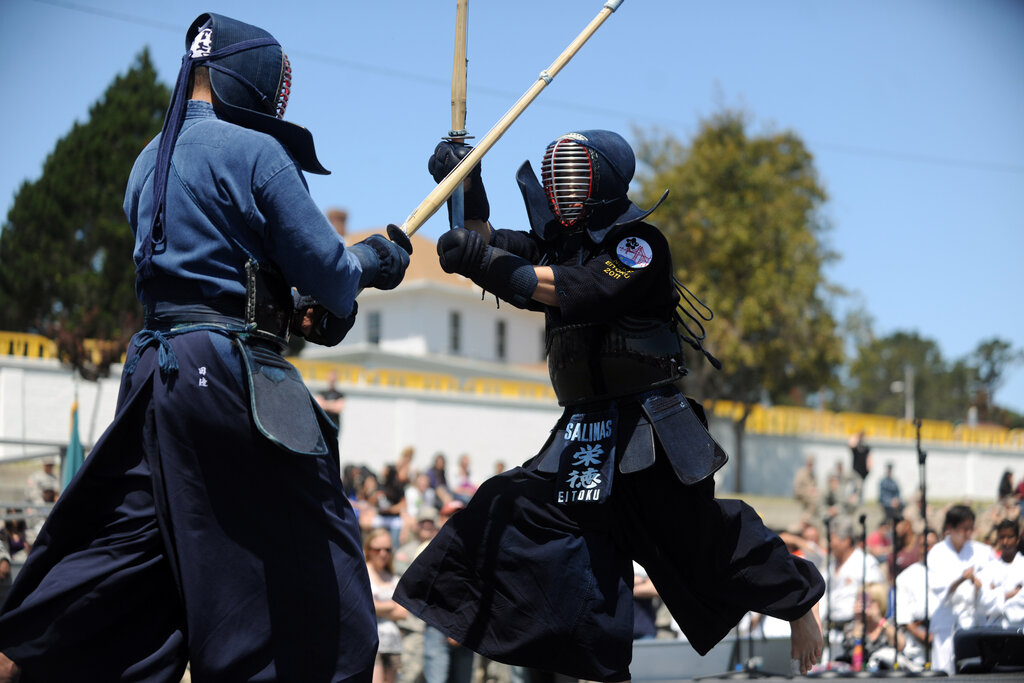
You already understand timing and distance. Now we move to a more subtle principle: initiative. In Japanese swordsmanship, this is called (先), which means 'to go before' or 'to take the lead'. This isn't just about moving first or being faster. It's about controlling the flow of the encounter before it even truly begins.
True initiative is a form of psychological pressure. By seizing Sente, you force your opponent to react to your rhythm, not their own. You disrupt their focus and create openings where none existed. This constant, forward-moving intent is a key component of Zanshin (残心), or 'lingering mind.' Even when you are still, your presence and intent project forward, controlling the space between you and your opponent. The goal is to make them feel constantly on the defensive, even if no blades have crossed.
The Three Initiatives
Sente is not a single action but a spectrum of timing. Classical swordsmanship breaks it down into three primary levels, collectively called Mitsu-no-Sen (三つの先), or the 'three initiatives'. These describe when you seize control relative to your opponent's actions and intentions.
The three initiatives are not separate techniques, but different expressions of the same underlying principle: control.
Sen-no-sen (先々の先): The Initiative of Anticipation This is the highest level of initiative. You perceive the opponent's intention to attack before they move and strike first. It’s like seeing a spark before the fire. You aren't just reacting to their thought; you are acting on their will. You attack their attack as it is being born, nullifying it completely. This requires immense perception and an understanding of your opponent's psychology.
Tai-no-sen (対の先): The Initiative of Waiting Here, both you and your opponent are aware of an opening and move to attack at the same instant. The encounter becomes a race to strike the target. The winner is not necessarily the faster one, but the one whose technique is more direct, efficient, and committed. This is a mutual, simultaneous engagement where your attack must prevail over theirs in the same moment.
Go-no-sen (後の先): The Initiative of Response This is the most straightforward to understand, but difficult to master. You allow the opponent to complete their attack, but you evade or block it and counter immediately in the opening they've created. This is not passive waiting. It is an active, deliberate response. You use their commitment against them, striking in the momentary weakness—the suki—that appears right after their technique has peaked.
Controlling the Rhythm
Regardless of which level of initiative you employ, the goal is always the same: to control the rhythm of the encounter. You want to break your opponent's tempo and impose your own. This is done by recognizing and creating the 'empty' moments in their guard.
An opponent is vulnerable when they are in the middle of a thought, at the peak of their inhalation, or in the instant they shift their weight. These are moments of suki, or psychological and physical openings. By applying pressure and feinting, you can create these moments intentionally. Your attack doesn't just target their body; it targets their timing.
Ready to test your understanding?
What is the primary goal of seizing Sente in swordsmanship?
You perceive your opponent's intention to strike just as their shoulders begin to tense, and you launch your own attack to neutralize theirs before it even starts. Which form of initiative are you using?
Understanding these three initiatives gives you a framework for every offensive movement. It transforms the fight from a simple exchange of blows into a battle of wills, where victory goes to the one who controls time itself.