Mastering the Entrepreneurial Operating System
Assessing Organizational Readiness
Before You Begin
Adopting a new operating system for your business is a major step. Before diving into the tools and processes of the Entrepreneurial Operating System (EOS), you need to take a clear, honest look at where your business stands right now. This isn't about judging past performance; it's about creating a solid foundation for the future. Think of it as a doctor's check-up. You need a proper diagnosis before you can write a prescription.
Begin with a thorough assessment to understand the current state of the organization.
This initial assessment helps you identify the gaps between your current reality and the streamlined efficiency that EOS promises. It’s a crucial first step to ensure a smoother, more successful implementation.
The 360-Degree View
A comprehensive business assessment looks at everything, from your finances to your company culture. The goal is to get a complete picture. A classic and effective tool for this is the SWOT analysis, which helps you organize your thoughts around four key areas: Strengths, Weaknesses, Opportunities, and Threats.
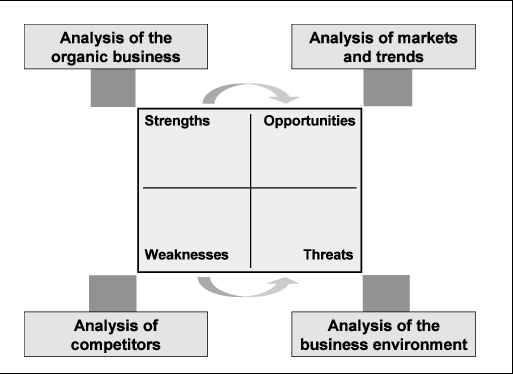
Start by listing your company's internal strengths and weaknesses. Strengths are things your company does well—a great product, a talented team, or a strong brand reputation. Weaknesses are the internal challenges you face, like outdated technology, inefficient processes, or a lack of certain skills.
Next, look externally at opportunities and threats. Opportunities are market trends or conditions you could take advantage of, like a new customer demographic or a competitor's misstep. Threats are external factors that could harm your business, such as new regulations, economic downturns, or disruptive technologies.
Processes and People
Beyond a high-level SWOT analysis, you need to dig into the day-to-day realities of your business. How does work actually get done? Are your processes documented, consistent, and efficient, or does everyone have their own way of doing things? Chaos in your core processes is a major weakness that EOS is designed to fix, but you first need to identify where that chaos lives.
If a key employee won the lottery tomorrow and left, would their essential tasks get done? If the answer is no, you have a process problem.
Just as important is the human element. For EOS to work, your leadership team must be aligned and fully committed. Is everyone on the same page about the company's vision and goals? Or are there disagreements and turf wars happening behind the scenes? Team dynamics are critical. A team that trusts each other and engages in healthy, open debate is ready for the accountability that EOS demands. A fractured team will struggle.

This phase is about honest conversations. Sit down with your leadership team and discuss these topics openly. What's working? What's broken? Are you all rowing in the same direction? Getting these issues on the table is the first step toward resolving them.
Determining Your Readiness
After this assessment, you'll have a clear, unfiltered view of your organization's preparedness for EOS. The goal isn't to get a perfect score. No business is perfect. The goal is to identify your starting point.
You should have a list of your core strengths to build upon and a clear-eyed view of the weaknesses you need to address. This understanding allows you to approach the EOS implementation with focus, knowing exactly which areas require the most attention. You've mapped the terrain, and now you're ready to plan the journey.
What is the primary purpose of conducting a business assessment before implementing EOS?
In a SWOT analysis for EOS readiness, an economic downturn would be classified as which of the following?