Mastering the English Language
English Language Foundations
The Building Blocks of English
Learning any new language starts with the basics. For English, that means getting to know its alphabet. These 26 letters are the foundation for every word you'll read, write, and speak.
The English alphabet is the foundation of all English reading, writing, speaking, and listening.
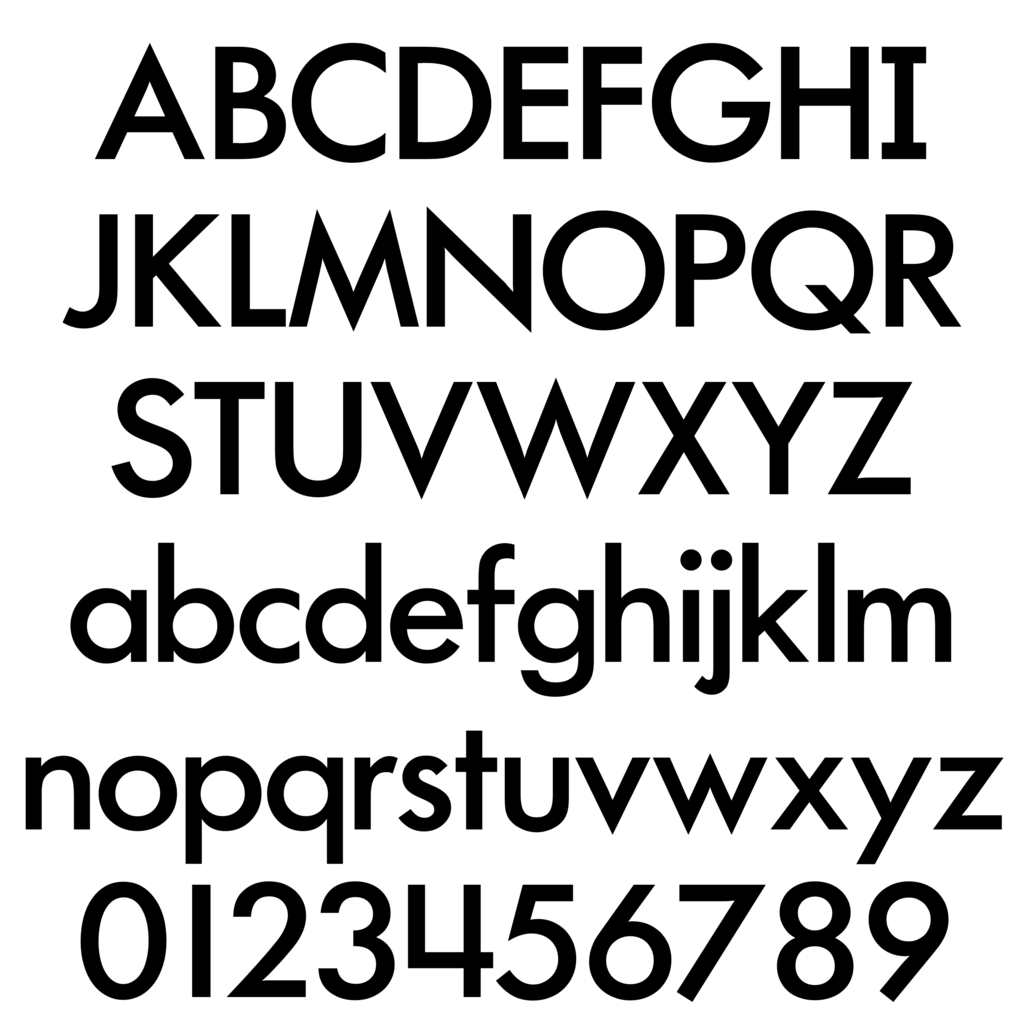
The alphabet is split into two types of letters: vowels and consonants. Vowels are the core of syllables, and every English word has at least one. Consonants are all the other letters.
| Category | Letters |
|---|---|
| Vowels | A, E, I, O, U |
| Consonants | B, C, D, F, G, H, J, K, L, M, N, P, Q, R, S, T, V, W, X, Y, Z |
One tricky thing about English is that letters can make different sounds depending on the word. For example, the letter 'a' sounds different in "cat," "car," and "cake." Don't worry about mastering this right away. Just focus on recognizing the letters first. Listening to native speakers is a great way to learn the sounds over time.
Making Simple Sentences
Once you know the letters, you can start building words and then sentences. The most basic sentence in English follows a simple pattern: Subject-Verb-Object.
Let's break that down.
- The Subject is the person or thing doing the action.
- The Verb is the action itself.
- The Object is the person or thing that receives the action.
This simple formula is a powerful tool. You can create many different sentences just by changing the words.
- She reads a book.
- We play games.
- He eats an apple.
Words for Everyday Life
To use the Subject-Verb-Object structure, you need some vocabulary. The best way to start is by learning the words and phrases you'll use most often in daily conversations.
An important first step is to familiarize yourself with your core vocabulary – those words and phrases that will help you deal with everyday situations and build a solid foundation for advancement.
Here are some essential words to get you started.
| Greetings & Phrases | Basic Questions | ||
|---|---|---|---|
| Hello | Hi | What is your name? | How are you? |
| Goodbye | Bye | Where are you from? | Thank you |
| Good morning | Good night | Yes | No |
| Please | Excuse me | I don't understand. | Can you help me? |
And here are some common nouns (people, places, things) and verbs (actions) that you can mix and match to form sentences.
| Common Nouns | Common Verbs |
|---|---|
| man, woman | have, has |
| house, school | go, goes |
| water, food | see, sees |
| book, phone | want, wants |
| friend, family | like, likes |
| car, bus | eat, eats |
| time, day | drink, drinks |
For example, you can take a subject like "I", a verb like "want", and an object like "water" to create the sentence: "I want water."
Ready to check your understanding?
How many letters are in the English alphabet?
The English alphabet is divided into which two types of letters?
Mastering these basics—the alphabet, simple sentence structure, and core vocabulary—gives you a solid platform. From here, you can continue to build your English skills.