Mastering the Elevator Pitch
Understanding Elevator Pitches
What's an Elevator Pitch?
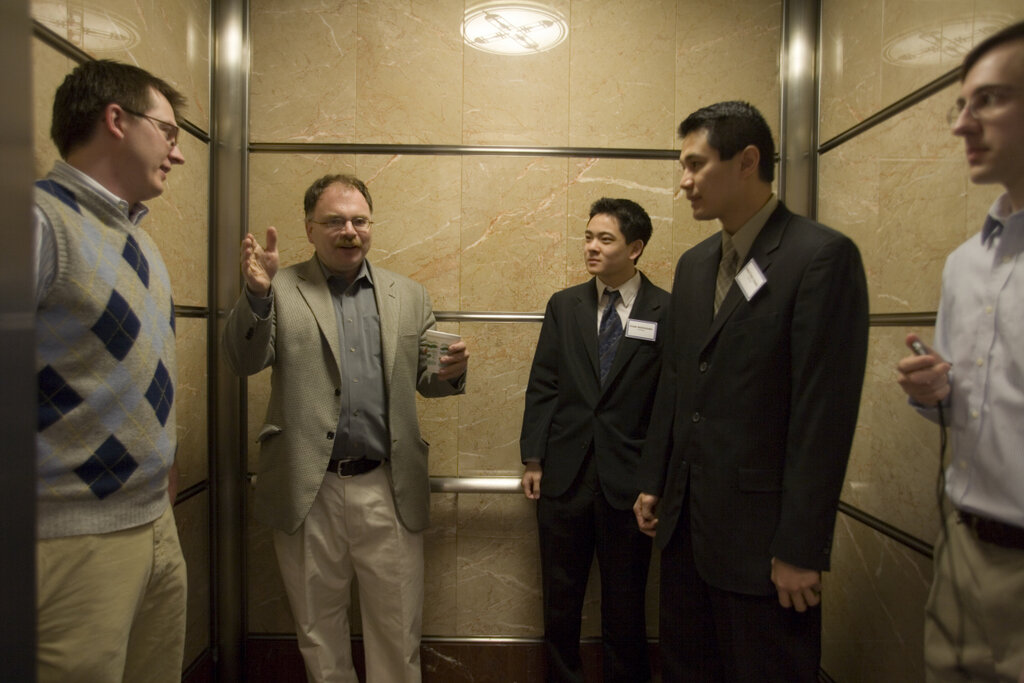
Imagine you step into an elevator and find yourself next to someone who could change your career. You have until they reach their floor—maybe 30 to 60 seconds—to make an impression. What do you say? That's the idea behind an elevator pitch.
The elevator pitch is a concise, dynamic summary of your business, ideally delivered in under a minute.
It’s a short, persuasive speech that explains what you do, what you're offering, or what your idea is. The goal isn't to close a deal or get a job on the spot. It's to spark interest and start a conversation. You want the other person to say, "Tell me more."
Think of it as a verbal business card. It needs to be quick, clear, and memorable. It answers the fundamental questions of who you are and why someone should care, all in the time it takes for a short elevator ride.
Why You Need One
First impressions happen fast. In professional settings, you often have only a moment to capture someone's attention. A well-prepared elevator pitch ensures you make the most of that moment. It shows you're prepared, you understand your own value, and you respect the other person's time.
Having a pitch ready builds confidence. When an opportunity arises unexpectedly, you won't stumble over your words. Instead, you can clearly and confidently communicate your key message. This can be the difference between blending in and standing out.
A great pitch opens doors. It’s your ticket to a longer conversation, a follow-up email, or a new connection.
Essentially, an elevator pitch is a fundamental tool for networking. It distills your professional identity into a powerful, bite-sized summary that anyone can understand. It’s not just for entrepreneurs seeking investors; it’s for job seekers, freelancers, students, and anyone looking to make a professional connection.
When to Use Your Pitch
The name might be specific, but the uses are broad. You won't always be in an actual elevator. An elevator pitch is useful in any situation where you have a brief window to introduce yourself.
Common scenarios include:
- Networking Events: When you meet new people and they ask, "So, what do you do?"
- Job Interviews: It’s a perfect way to answer the classic opener, "Tell me about yourself."
- Career Fairs: You'll need to quickly explain your skills and goals to recruiters.
- Chance Encounters: You might run into an industry leader at a coffee shop or a conference.
- Social Gatherings: When you meet someone new who could be a valuable professional contact.
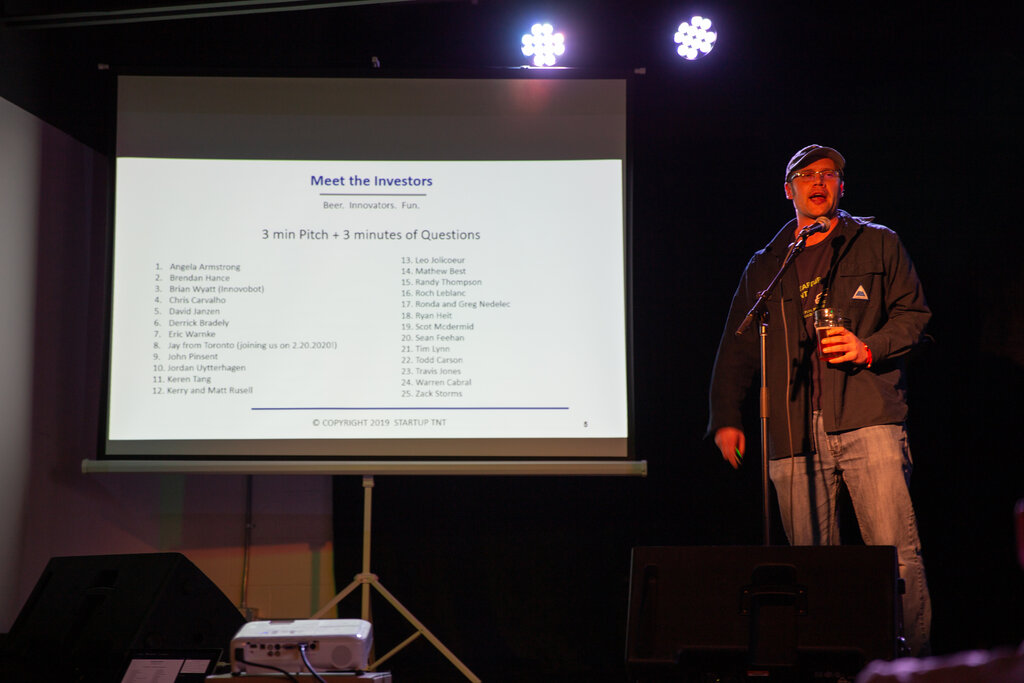
In each of these cases, your goal is the same: deliver a clear, concise message that makes the listener want to continue the conversation.
The Basic Structure
While you'll learn how to craft the specific content later, every great elevator pitch follows a simple, logical flow. It should be short, ideally between 30 and 60 seconds. This structure ensures you cover the essential points without rambling.
| Part | Purpose |
|---|---|
| Introduction | Who are you? State your name and your role or what you do. |
| The Problem/Hook | What problem do you solve or what need do you fill? Grab their attention. |
| Your Solution | How do you solve that problem? Briefly explain your product, service, or skills. |
| Value Proposition | What makes you unique? Why should they care? This is your key differentiator. |
| Call to Action | What do you want to happen next? Ask a question or suggest the next step. |
This framework helps you organize your thoughts and hit the most important information quickly and effectively.
Ready to check your understanding?
What is the primary goal of an elevator pitch?
According to the text, an elevator pitch is essentially a verbal __________.
With this foundation, you now understand what an elevator pitch is and why it's a crucial tool for any professional.