Mastering the EB1A Petition Strategy
Technical Petition Architecture
The Petition as a Legal Brief
An elite EB-1A petition is not a collection of documents with a cover letter. It is a technical legal brief. This fundamental distinction dictates the entire architecture of the submission. Your petition letter is the central argumentative document, meticulously crafted to guide the adjudicator through a complex evidentiary record to one inexorable conclusion: that the beneficiary meets the criteria for this classification by a preponderance of the evidence.
This approach shifts the objective from simply presenting evidence to actively persuading the reader. Every sentence, every exhibit, and every structural choice must serve this persuasive purpose. The goal is to preemptively address the Final Merits Determination, leaving no inferential gaps for the adjudicator to fill. You are not just providing information; you are controlling the narrative and making the case for approval undeniable.
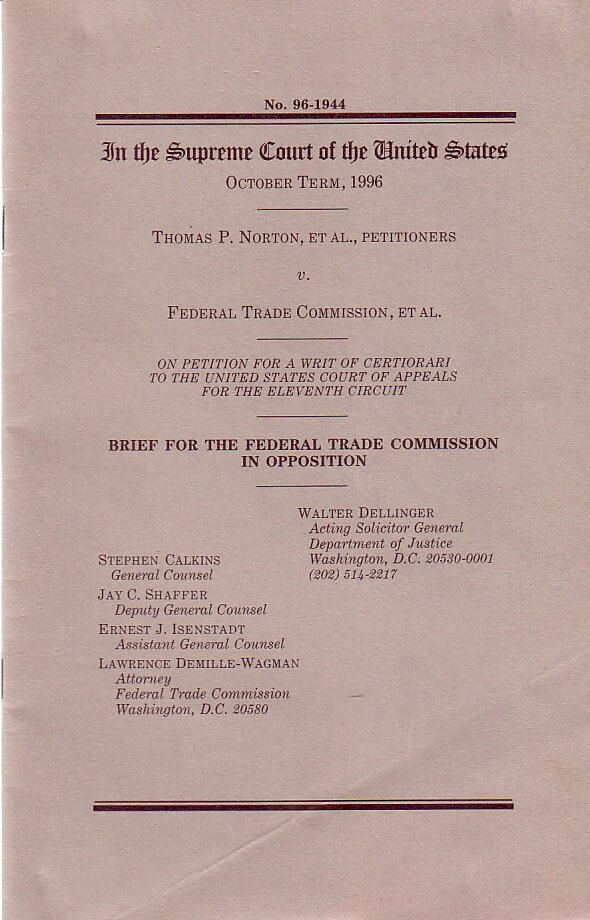
A well-structured petition follows established legal formats that courts immediately recognize.
The brief must be a self-contained roadmap. A non-expert adjudicator should be able to navigate from your table of contents to your conclusion, understanding how each piece of evidence logically supports a specific regulatory prong, without needing prior knowledge of your field.
Architecting the Argumentative Framework
The foundation of your brief is a robust legal argumentative framework built directly upon the 2024 USCIS Policy Manual. This is not a summary of your achievements; it is a point-by-point argument demonstrating how your achievements satisfy the legal standard. Structure your brief to mirror the two-part analysis articulated in Kazarian, first establishing that you meet at least three of the evidentiary prongs, and then proceeding to the Final Merits Determination.
For each prong you claim, create a dedicated section in the brief. Within that section, present a concise narrative that connects your accomplishments directly to the specific language of the regulation and the interpretive guidance in the Policy Manual. This is where you bridge the gap between technical work and legal eligibility. For example, instead of just stating you published articles, you argue how those publications constitute 'scholarly articles' and present evidence of their impact and significance within the field.
This structure preemptively frames the Final Merits Determination by building a case for sustained national or international acclaim throughout the document. The adjudicator arrives at the final analysis having already been convinced, prong by prong, of the caliber and impact of your work.
Hierarchical Exhibit Organization
Your exhibits are not a simple appendix; they are an integrated, hierarchical component of your legal argument. A flat, sequential list of exhibits forces the adjudicator to do the work of connecting evidence to claims. An elite petition does this work for them.
Organize exhibits logically, mirroring the structure of your brief. Use a tabbed, alphanumeric system. For instance, Exhibit A could be 'Material Related to Judging the Work of Others'. Within that tab, Exhibit A-1 might be an invitation to peer review, Exhibit A-2 could be the acknowledgment letter from the journal, and Exhibit A-3 might be evidence of the journal's prestige. This hierarchical structure allows for both macro-level organization by prong and micro-level organization of supporting evidence for each specific claim.
This system maximizes clarity, especially for a non-expert reviewer. When you state in your brief, 'The prestige of the journal is evidenced by its top-tier impact factor (See Exhibit A-3),' the adjudicator can immediately flip to the exact document that proves your assertion. This removes friction and builds credibility.
Cross-Referencing Narrative and Evidence
The final step in architecting the petition is to create a closed loop between your narrative brief and your hierarchical exhibits. This is achieved through aggressive and precise cross-referencing.
Every factual assertion in your brief must be followed by a direct citation to the specific exhibit and, if necessary, the specific page that supports it. For example: 'In 2023, I was invited to serve on the peer review panel for the International Conference on Advanced Materials, a role reserved for leading experts in the field (See Exhibit A-1, Invitation Letter).'
This practice is non-negotiable. It transforms your petition from a set of claims into a verifiable, evidence-based legal argument. It demonstrates meticulous preparation and makes the adjudicator's job of verifying your claims effortless. By explicitly linking every part of your narrative to a piece of evidence, you are guiding the reviewer through the preponderance of evidence standard, proving not just that the evidence exists, but that its weight and credibility are sufficient to merit approval.
What is the fundamental nature of an elite EB-1A petition as described in the text?
According to the recommended approach, how should exhibits be organized?
This rigorous, structured approach ensures your technical achievements are presented through a powerful legal lens, maximizing your chances of a successful adjudication.