Mastering the Dirtywave M8 Tracker
Introduction to M8 Tracker
A Studio in Your Hands
The Dirtywave M8 Tracker is a compact, handheld device for making electronic music. Think of it as a portable music studio, small enough to fit in your pocket but powerful enough to create complete, complex tracks. It’s designed for creating music on the go, without needing a laptop or a room full of gear.
At its heart, the M8 is a synthesizer, a sampler, and a sequencer all rolled into one. You can create your own sounds, record audio from other sources, and arrange everything into a finished song. What makes it unique is its workflow, which is based on a classic method of making computer-based music.
Inspired by the Past
The M8 uses an interface called a "tracker." Unlike modern music software that often displays music horizontally like a piano roll, a tracker arranges it vertically. Imagine a spreadsheet where each row represents a small slice of time. In these rows, you place notes, instrument numbers, and commands to change effects like volume or panning.
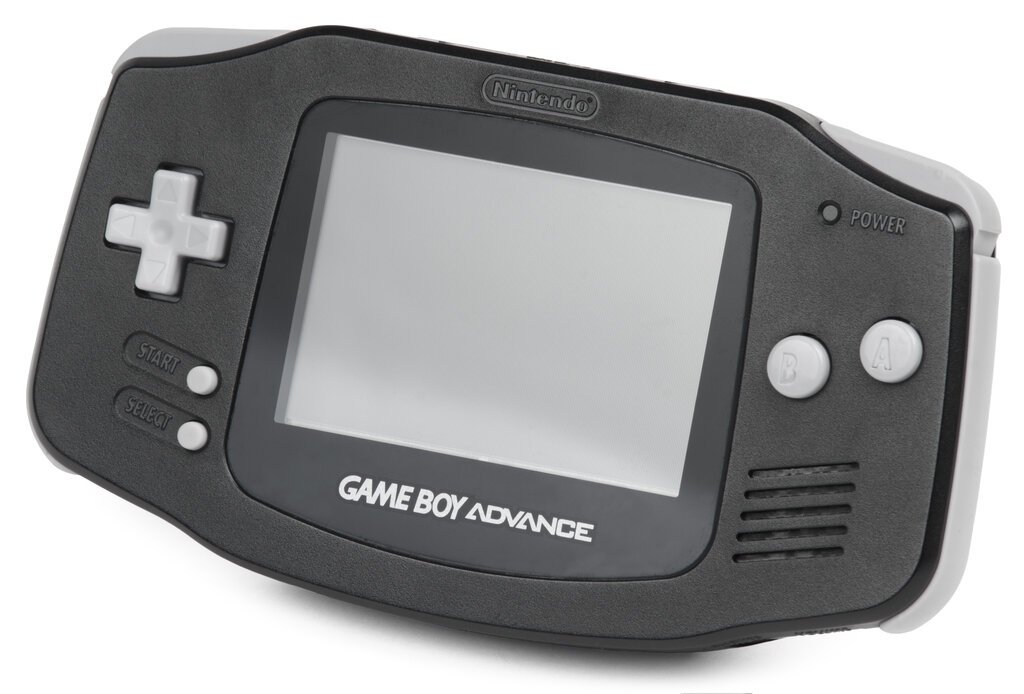
This style of sequencing got its start on home computers in the late 1980s, but it found a dedicated following on an unlikely platform: the Nintendo Game Boy.
Musicians used software like Little Sound DJ (LSDJ) and Nanoloop to transform the humble gaming device into a powerful tool for composition. This creative scene, often called "chiptune," pushed the hardware to its limits and created a distinct musical aesthetic.
The M8 takes the core ideas from these Game Boy trackers—speed, efficiency, and a pattern-based approach—and brings them into the modern era. It captures the spirit of that focused workflow, but frees it from the technical limitations of 1980s hardware.
Modern Sound, Classic Workflow
So why use a tracker today? The main reason is speed. Once you get the hang of it, you can input musical ideas very quickly using just a few buttons. It's a different way of thinking about composition that many artists find incredibly direct and rewarding.
The M8 isn't just a throwback, though. It combines this classic workflow with high-quality, modern sound engines. It features multiple types of synthesis, from classic analog-style sounds to complex FM synthesis, plus a powerful sampler. This means you can create gritty chiptune melodies, lush modern soundscapes, and heavy-hitting drum patterns all on the same device.
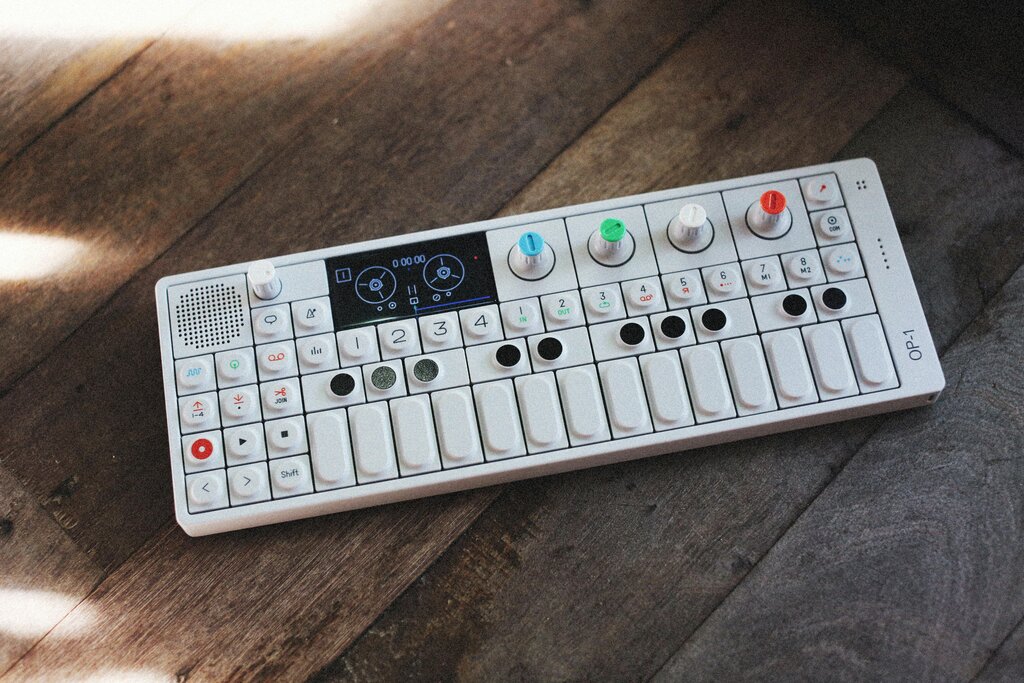
By blending a retro-inspired interface with modern capabilities, the M8 offers a unique bridge between the old and the new. It appeals to veteran tracker artists, chiptune musicians, and newcomers looking for a focused, portable way to make music. It proves that a workflow from the past can be one of the most exciting ways to create the sounds of the future.
What is the core user interface style of the Dirtywave M8 for arranging music?
The M8's workflow was heavily influenced by music creation software on which classic platform?