Mastering the Data Mining Process for Exams
Business Understanding
Start with Why
Every data mining project begins long before you look at a single row of data. The first and most critical step is understanding the business. Think of it like building a house. You wouldn't start buying bricks and lumber without a detailed blueprint. In data mining, the blueprint is a deep understanding of the business problem you're trying to solve.
Start with a Clear Question: Before you dive into a sea of data, figure out the specific business question you need to answer.
This initial phase, called Business Understanding, is all about translating a business challenge into a data mining problem. It ensures that the technical work you do later is pointed in the right direction and actually solves a real-world problem. This stage sets the foundation for everything that follows.
Defining Business Objectives
The first task is to uncover the true business objective. What does the organization want to accomplish? It's often more than just a surface-level goal. For example, a company might say they want to "use machine learning." Your job is to dig deeper and ask why.
Perhaps the real goal is to reduce customer churn by 15% in the next quarter. Or maybe it's to increase the response rate of a marketing campaign by identifying customers most likely to buy a new product. These are specific, measurable objectives. A clear objective acts as a compass for the project, guiding all future decisions.
Vague goal: "Improve sales." Clear objective: "Increase online sales of running shoes by 10% in the next six months by targeting previous customers with personalized email offers."
Assessing the Current Situation
Once you know the destination, you need to know your starting point. This involves taking inventory of everything relevant to the project: resources, constraints, assumptions, and risks.
- Resources: What data is available? Do you have the necessary personnel with the right skills? What technology and tools can you use?
- Constraints: What is the budget? Is there a firm deadline? Are there any legal or privacy restrictions on the data?
- Assumptions: What is being taken for granted? For instance, is the team assuming the data quality is good enough to use? These assumptions should be stated and verified.
- Risks: What could go wrong? The required data might not be accessible, or the project might not produce a useful result. Identifying risks early allows you to plan for them.
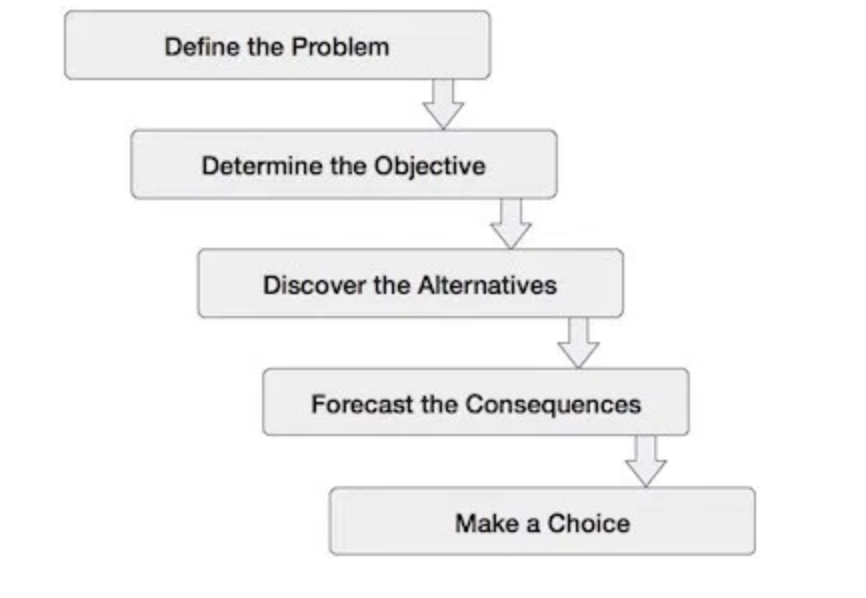
This assessment provides a realistic picture of the project's landscape. It helps set expectations and ensures that the project plan is grounded in reality, not just wishful thinking.
Establishing Success Criteria
Finally, how will you know if the project is a success? It's crucial to define this from both a technical and a business perspective.
Technical success criteria focus on the performance of the data mining model. For example, a model that predicts customer churn might need to be at least 90% accurate. This is something the data science team can measure directly.
Business success criteria measure the project's impact on the business objective. Did the churn prediction model actually help reduce churn by the target of 15%? Did the marketing campaign achieve its goal? This is the ultimate measure of the project's value. A model can be technically perfect but a business failure if it doesn't lead to the desired outcome.
Defining success upfront prevents you from declaring victory for a model that works in a lab but fails to make a difference in the real world.
By the end of the Business Understanding phase, you should have a clear, written plan that outlines the business objectives, the current situation, and how success will be measured. This document ensures everyone involved, from stakeholders to data scientists, is aligned and working toward the same goal.
Now, let's test your understanding of these foundational concepts.
What is the primary goal of the Business Understanding phase in a data mining project?
A manager asks the data science team to "use machine learning to improve customer retention." What is the most appropriate first step for the team?
With a solid business understanding, you're ready to move on to the next stages of the data mining process.