Mastering the Data Analytics Lifecycle
Data Collection Strategies
Sourcing Your Data
Effective data analysis starts long before you run your first model. It begins with gathering raw materials. The quality and nature of your data will fundamentally shape your results, so choosing the right collection method is a critical first step. Your main options for acquiring data are Application Programming Interfaces (APIs), direct database connections, and web scraping.
Each method comes with its own trade-offs in terms of reliability, cost, and complexity. The best choice depends entirely on your project's goals and the nature of the data source.
APIs for Reliable Data
Think of an API as a well-defined menu for accessing a service's data. Instead of navigating a messy website, you make a specific, structured request, and the service returns exactly what you asked for in a clean, predictable format, typically JSON or XML. This makes APIs the most reliable and efficient way to collect data from external sources that provide them.
API
noun
An Application Programming Interface is a set of rules and protocols that allows different software applications to communicate with each other. In data collection, it's a gateway for programmatically requesting and receiving data.
APIs are ideal for accessing real-time or frequently updated information, like stock prices, social media feeds, or weather forecasts. Most services require you to register for an API key, which is a unique identifier that authenticates your requests and tracks your usage. While some APIs are free, many operate on a tiered pricing model based on the number of requests you make.
# Example of fetching data from a public API in Python
import requests
import json

# The endpoint for the API
api_url = "https://api.publicapis.org/entries"

# Making a GET request to the API
response = requests.get(api_url)

# Check if the request was successful (status code 200)
if response.status_code == 200:
    # Parse the JSON response into a Python dictionary
    data = response.json()

    # Print the number of entries found
    print(f"Found {data['count']} API entries.")
else:
    print(f"Failed to retrieve data. Status code: {response.status_code}")
Web Scraping the Unstructured Web
What happens when you need data from a website that doesn't offer an API? That's where web scraping comes in. Web scraping is the process of writing a program, or 'bot', to automatically browse a website and extract specific information from its HTML structure. It's like manually copying and pasting data, but on a massive scale.
The primary challenge with web scraping is its fragility. Unlike an API, which provides a stable contract for data, a website's HTML layout can change at any time without warning. A minor design update can easily break your scraper, making it a high-maintenance data collection method.
Beyond the technical hurdles, scraping involves significant ethical and legal considerations. Always check a website's robots.txt file and its Terms of Service to see if scraping is permitted. Even if it is, responsible scraping means making requests at a reasonable rate to avoid overwhelming the site's servers.
Connecting to SQL Databases
Often, the most valuable data is the data your own organization generates. This is typically stored in internal relational databases, which use SQL (Structured Query Language) as their standard. This is structured data, neatly organized into tables with rows and columns. Connecting directly to these databases is a common task for data professionals.
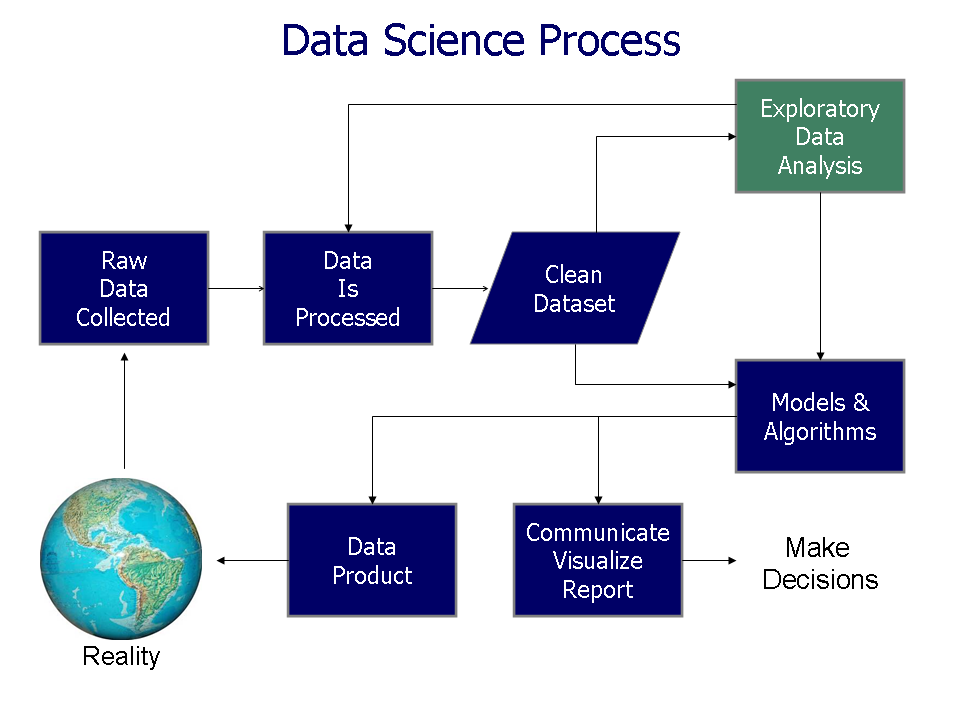
To connect, you'll use a specific library or driver for your programming language of choice that's compatible with the database system (like PostgreSQL, MySQL, or SQL Server). You'll need credentials—a hostname, database name, username, and password—to establish a secure connection. Once connected, you can execute SQL queries to select, filter, and aggregate the exact data you need.
# Example of connecting to a PostgreSQL database with Python
import psycopg2

# Connection parameters - store these securely!
conn_params = {
    "host": "your_host",
    "database": "your_db",
    "user": "your_user",
    "password": "your_password"
}

try:
    # Establish the connection
    with psycopg2.connect(**conn_params) as conn:
        # Create a cursor object to execute queries
        with conn.cursor() as cur:
            # Execute a simple SQL query
            cur.execute("SELECT version();")

            # Fetch the result
            db_version = cur.fetchone()
            print(f"Connected to: {db_version}")

except psycopg2.OperationalError as e:
    print(f"Could not connect to the database: {e}")
Understanding Data Origins
Knowing how to get data is only half the battle. You also need to understand where it came from. Two key concepts here are the Data Generating Process (DGP) and data provenance.
The Data Generating Process refers to the real-world process that creates the data. Is your data from a randomized controlled trial, user-submitted reviews, or sensor readings? The DGP determines the underlying structure, biases, and limitations of your data. For example, customer feedback data is generated by a self-selecting group of users—those motivated enough to leave a review—which is a very different DGP from a random sample of all customers.
Provenance
noun
The history and lineage of a piece of data, from its origin to its current state. It includes all transformations, modifications, and movements the data has undergone.
Data provenance is about documentation. It's the record of your data's journey. Where was it collected? Who collected it? Has it been cleaned or transformed, and if so, how? Maintaining clear provenance is crucial for ensuring your analysis is reproducible, trustworthy, and auditable. A dataset scraped from a website has very different provenance—and likely, lower trust—than data pulled from a well-maintained internal database with a clear schema.
Which of the following best describes the primary advantage of using an API over web scraping for data collection?
A data analyst needs to access their company's internal sales records, which are stored in a PostgreSQL database. What is the most direct and appropriate method for them to acquire this data?
Understanding these collection strategies and the nature of your data's origins is the true first step in any data science workflow. It ensures the foundation of your work is solid.