Mastering the Customer Journey for Marketing
Introduction to Customer Journey Mapping
Seeing Through Your Customer's Eyes
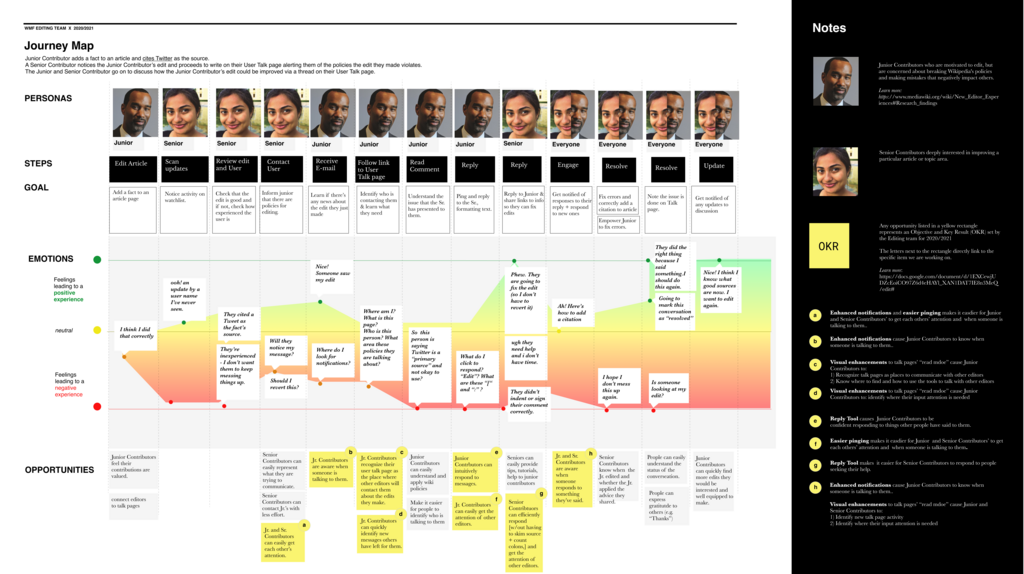
A customer journey map is a story. It’s the story of a customer's experience with your company, from their very first interaction to the moment they become a loyal fan. Think of it as a visual timeline that details every step they take, every thought they have, and every feeling they experience along the way.
Instead of looking from the inside out, a journey map forces you to look at your business from the outside in—through your customer's perspective.
This isn't just a list of events. A good map captures the nuances of the experience. It asks questions like: What was the customer trying to achieve at this stage? How did they feel? What were their pain points or moments of frustration? The goal is to build empathy and gain a deep, human understanding of who you're serving.
Why It Matters for Marketing
For marketers, a journey map is like a treasure map. It reveals where the customer experience is broken and where the opportunities lie. By understanding the full journey, you can stop guessing and start making informed decisions.
You can pinpoint the exact moments where customers get stuck or drop off. Maybe your website is confusing, or your social media ads aren't connecting with the right message. The map shines a light on these problem areas, so you can fix them.
It also helps you create more effective marketing. When you know what a customer is thinking and feeling at each stage, you can tailor your messaging to be more relevant and helpful. This leads to better engagement, stronger relationships, and ultimately, more conversions.
A good customer journey map doesn’t just show you what customers are doing — it shows you why.
The Core Components
While journey maps can vary in complexity, most include a few key components. These elements work together to create a comprehensive picture of the customer's world.
| Component | Description |
|---|---|
| Stages | The major phases the customer goes through, like Awareness, Consideration, Purchase, and Retention. |
| Touchpoints | Any point of interaction between the customer and your brand, such as visiting your website, seeing an ad, or talking to customer service. |
| Actions | The specific things the customer does at each stage, like searching on Google, reading reviews, or adding an item to their cart. |
| Thoughts & Feelings | The customer's emotional state. Are they excited, confused, frustrated, or delighted? This is the heart of the map. |
| Pain Points | The obstacles and frustrations that get in the way of a smooth experience. These are opportunities for improvement. |
Touchpoint
noun
Any time a customer or potential customer comes in contact with your brand–before, during, or after they purchase something from you.
Now that you understand the what and why of customer journey mapping, let's test your knowledge.
What is the primary purpose of a customer journey map?
A customer journey map is most effective for helping marketers identify what?
Understanding these foundational concepts is the first step toward creating maps that can truly transform your marketing efforts.