Mastering the Craft of Woodworking
Safety and Workshop Setup
Your First Line of Defense
Before you ever turn on a saw or pick up a chisel, safety begins with what you wear. Personal Protective Equipment, or PPE, is your non-negotiable uniform in the workshop. It's the gear that stands between you and a preventable injury.
The right personal protective equipment (PPE) is your first line of defense in the woodshop.
First, protect your eyes. Always wear safety glasses or goggles. Wood chips, splinters, and dust can fly in any direction, especially when using power tools. Your regular prescription glasses are not a substitute; they aren't designed to withstand an impact from the side.
Next, protect your hearing. Woodworking tools are loud. A single session with a router or planer can expose you to noise levels that cause permanent damage. It's not a one-time event; the harm is cumulative, getting worse over time. Use earplugs or over-ear muffs every time you run a power tool.
Finally, protect your lungs. Cutting and sanding wood creates a huge amount of fine , which can hang in the air for hours. Breathing this in can lead to serious respiratory problems. A simple dust mask is good, but a respirator with replaceable cartridges is much better, especially for long sessions. Your future self will thank you.
A Safe Workspace
Your workshop environment is just as important as your personal gear. A well-organized space is a safe space. It allows you to move freely and focus on your work without distraction or danger.
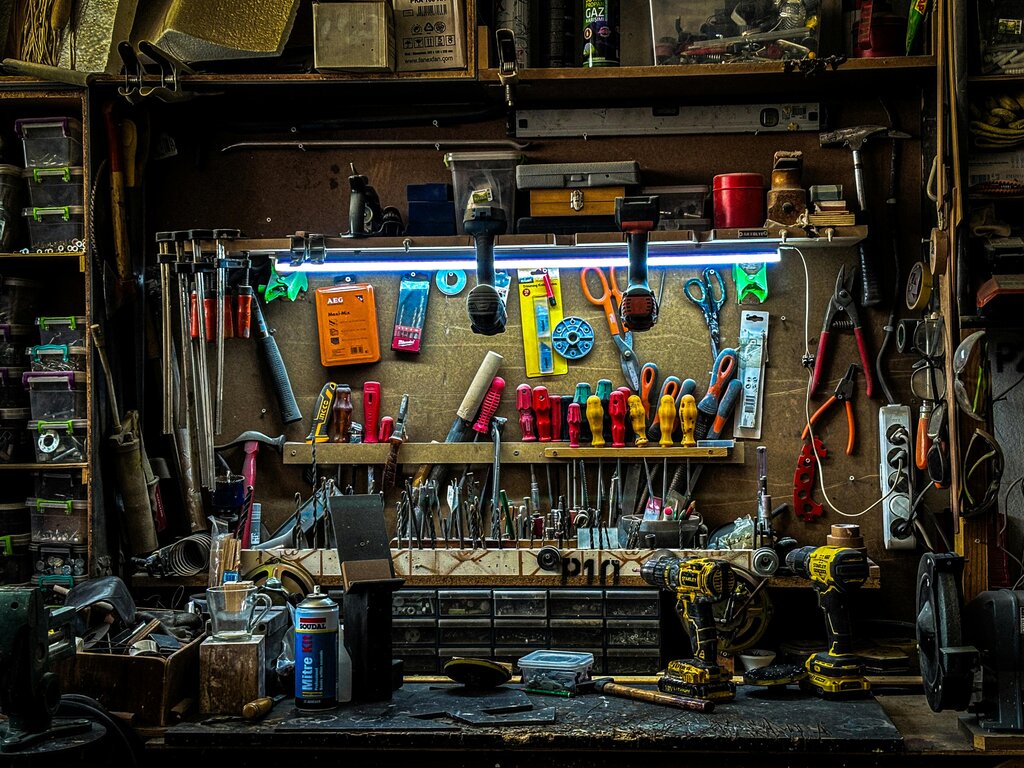
Good lighting is crucial. You need to see your layout lines clearly and watch exactly where a blade is cutting. A combination of overhead room lighting and focused task lighting directly over your workbenches is ideal. Shadows can hide dangers.
Your floor should be flat, level, and free of cracks or bumps that could cause you to trip or make a tool stand wobble. A simple anti-fatigue mat can also make long periods of standing more comfortable.
Every major stationary tool has a kind of invisible boundary around it called the danger zone. This is the area where the machine operates and where debris might be thrown. To make this easy to remember, many woodworkers follow the — a simple guideline that keeps everyone safe. It means maintaining a clear three-foot radius around any machine while it's in use. This space should be free of clutter, materials, and other people.
Handling Hazards
Fire is a constant risk in a workshop. Beyond sawdust, you'll often work with flammable materials like wood stains, varnishes, and mineral spirits. Always store these chemicals in a dedicated, well-ventilated cabinet, away from heat sources and electrical outlets. Make sure lids are sealed tightly.
One of the most overlooked fire hazards is a pile of oily rags. Rags soaked with certain finishes, like linseed oil, can spontaneously combust as they dry. Never leave them in a pile. Always lay them flat to dry outdoors or store them in a sealed, water-filled metal can.
Even with the best precautions, accidents can happen. It's important to be prepared. Your workshop should have a clearly marked and easily accessible fire extinguisher rated for Class A (wood) and Class B (flammable liquids) fires. You should also have a dedicated first aid kit stocked and ready.
Finally, it's time to check your understanding of these core safety principles.
Why are regular prescription glasses not considered adequate eye protection in a workshop?
True or False: Hearing damage from loud woodworking tools is cumulative, meaning it gets worse over time with repeated exposure.
Following these rules will help you build a foundation of safe habits. A safe woodworker is a confident and capable woodworker.