Mastering the Counting to Ten Method
Understanding Numbers
Numbers All Around Us
Numbers are everywhere, from the pages in a book to the candles on a birthday cake. To really understand math, we first need to get comfortable with numbers themselves. Let's start by looking at the numbers from one to twenty. As you count, you'll notice they follow a clear, predictable order.
This number line is a visual map of our numbers. As you move to the right, the numbers get bigger. Each number is one step away from its neighbors. The number 7 is one more than 6 and one less than 8. This simple order is the foundation for all math.
The Power of Ten
Have you ever noticed how the number ten seems special? Our whole number system, called the base-ten system, is built around it. Think about the numbers after ten: eleven, twelve, thirteen. The names are a little strange, but once you get to twenty, you can see a clear pattern.
The numbers from 11 to 19 are just ten plus another number. For example, fourteen is just another way of saying "ten and four more."
This idea of grouping by tens makes counting large amounts much easier. We can see this with numbers. The number 15 is made up of one group of ten and five single units, or ones.
This structure is why we have a "tens place" and a "ones place" in numbers. In the number 15, the 1 is in the tens place, and the 5 is in the ones place. Every number you encounter uses this same building-block idea.
Friends of Ten
Because ten is so important, it's helpful to know which pairs of numbers add up to it. These are sometimes called "number bonds" or "friends of ten." Knowing them by heart makes future math much faster and easier.
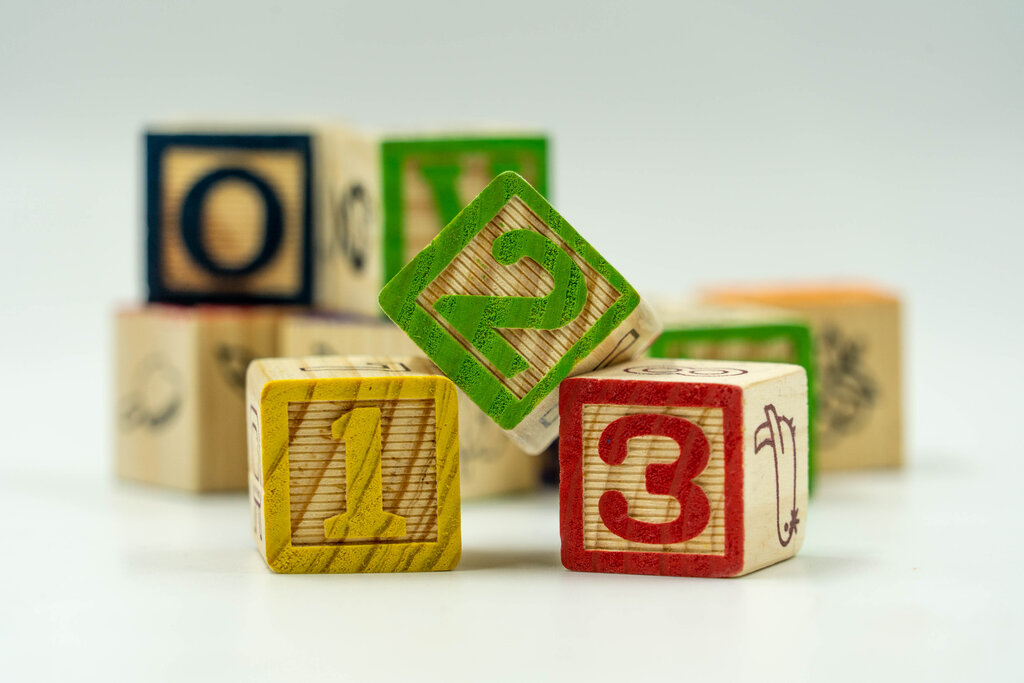
Let's look at these pairs. If you have 1, how many more do you need to make 10? You need 9. So, 1 and 9 are a pair. What if you have 2? You need 8 more. So, 2 and 8 are another pair.
| Number | Partner to Make 10 |
|---|---|
| 1 | 9 |
| 2 | 8 |
| 3 | 7 |
| 4 | 6 |
| 5 | 5 |
Notice the pattern. As the first number goes up, its partner goes down. Getting comfortable with these pairs will give you a big advantage as you start exploring addition and subtraction.
Ready to check your understanding?
What number comes right after 14?
In the number 18, what does the '1' stand for?
Great work building your number sense. Mastering these ideas is the first step toward becoming confident with all kinds of math.