Mastering the Cornell Note-Taking System
Introduction to Note-Taking
Why Bother Taking Notes?
Note-taking is more than just writing down what you hear or read. It's an active process of listening, thinking, and deciding what matters. When you take notes, you're not just creating a record for later, you're helping your brain process and understand the information in real time. Good notes turn a passive experience, like listening to a lecture, into an active one.
Think of it as creating a map. A well-made map doesn't show every single tree and rock; it highlights the important landmarks and paths. Similarly, effective notes capture the main ideas, key details, and connections, giving you a clear guide to the material when you need to review it for an exam or apply it at work.

This skill is crucial in school, but it's just as valuable in a professional setting. Whether you're in a team meeting or a client call, taking clear notes helps you track decisions, remember action items, and contribute meaningfully.
Common Note-Taking Styles
People have developed many ways to take notes over the years. There's no single perfect method, as the best approach often depends on the subject and your own learning style. Let's look at a few common techniques.
The Linear Method This is the most traditional approach: you write down points in the order you hear them, often using bullet points or an outline format with main topics and sub-topics. It naturally follows the structure of a lecture or presentation.
| Benefits | Limitations |
|---|---|
| Simple and intuitive. | Can become messy if the lecture isn't well-structured. |
| Follows the flow of information. | Can encourage passive recording instead of active thinking. |
| Creates a chronological record. | Hard to add new thoughts or connections later. |
The linear method is a solid default, but its rigid structure can make it difficult to see the bigger picture or review key concepts at a glance.
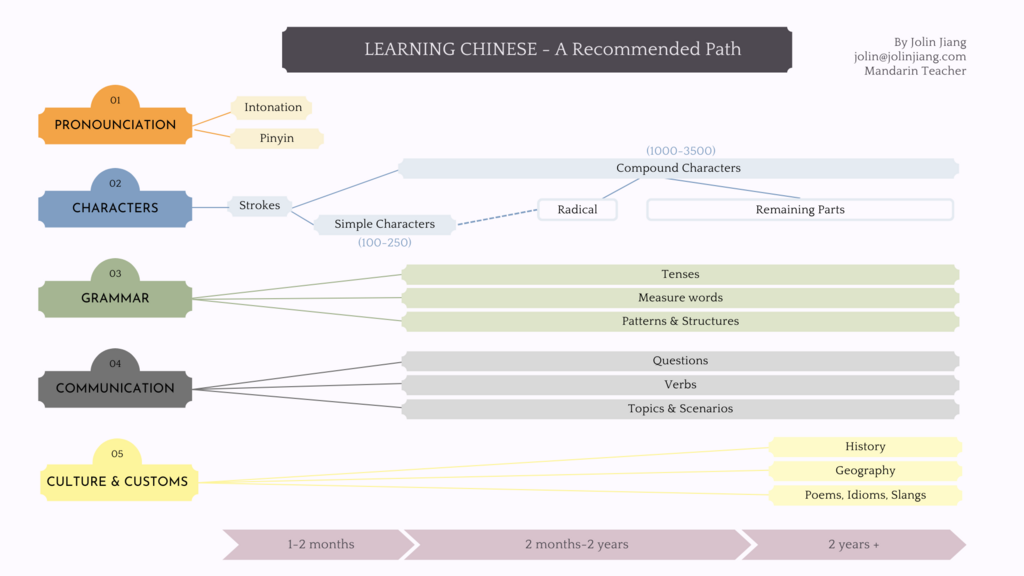
The Mind Mapping Method This is a visual approach. You start with a central topic in the middle of the page and branch out with related ideas, concepts, and keywords. It's like creating a spider web of information.
| Benefits | Limitations |
|---|---|
| Excellent for brainstorming and showing connections. | Can get cluttered and run out of space quickly. |
| Engages visual learners. | Might be difficult to execute during a fast-paced lecture. |
| Flexible and non-linear. | May not capture enough detail for complex subjects. |
Mind mapping is great for understanding how different ideas relate, but it can be challenging to keep it organized under pressure.
Finding What Works
The key is to find a system that helps you not just record information, but also understand and review it effectively. The linear method is straightforward, while mind mapping is more creative. Each has its place.
Many students mix and match, or use different methods for different classes. A history lecture might work well with a linear outline, while a philosophy discussion might be better suited for a mind map.
Effective note-taking isn’t just writing; it’s understanding what you’re retaining.
Ultimately, the goal is to create notes that are a useful tool for learning, not just a transcript. The best systems have a clear structure for capturing information during class and, just as importantly, for reviewing it afterward. By thinking about how you'll use your notes later, you can start to build a more effective practice.