Mastering the Chief Operating Officer Role
Strategic Planning
The Architect's Blueprint
As a Chief Operating Officer, you master the art of the day-to-day. But your most crucial role is shaping the future. Strategic planning is the blueprint you create for your organization's long-term success. It’s the process of looking beyond immediate fires and deciding where the company needs to go and, just as importantly, how it's going to get there.
Strategic planning helps organizations define clear goals and measure progress effectively to achieve long-term success.
This isn't about creating a rigid, unchangeable document. It's about building a living guide that provides direction, aligns your teams, and helps you make informed decisions when faced with new challenges or opportunities. A good strategy is a source of clarity and confidence for the entire organization.
Frameworks for a Clear Vision
You don't have to start from a blank page. Strategic frameworks are established models that provide structure for your thinking. They help ensure you consider all the critical angles when building your plan. Think of them as different lenses for viewing your business and the market it operates in.
Some common frameworks include the Balanced Scorecard, which looks at the organization from four perspectives: financial, customer, internal business processes, and learning and growth. Another is OGSM (Objectives, Goals, Strategies, Measures), a simple but powerful tool for linking your high-level vision to concrete actions and metrics.
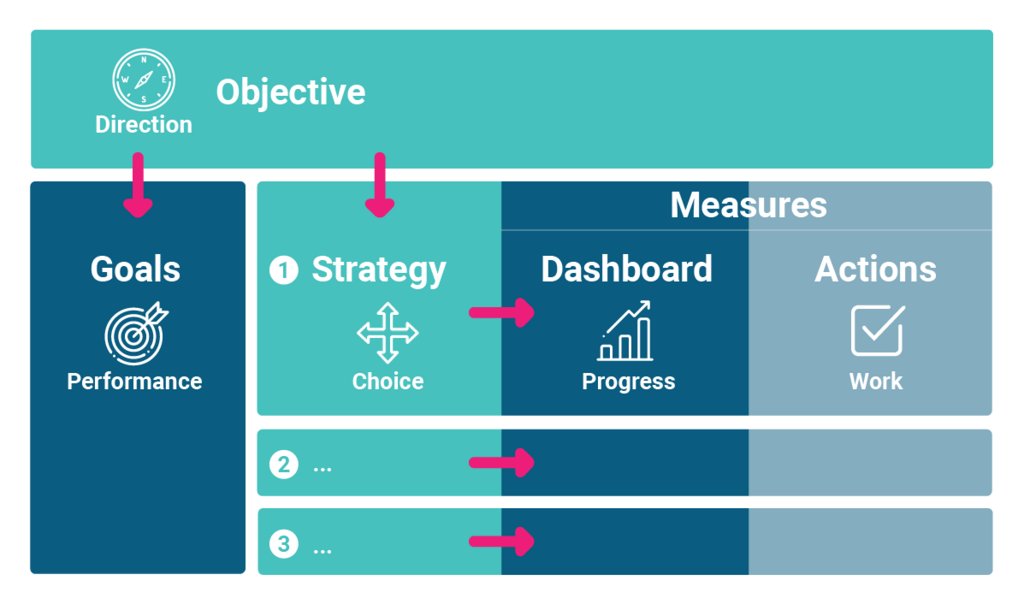
Choosing a framework isn't about finding the single "best" one. It's about selecting a tool that fits your company's culture and the specific challenges you face. The goal of any framework is to guide a structured conversation that leads to a clear and cohesive plan.
Know Your Battlefield: SWOT
One of the most fundamental and universally useful tools in any strategist's kit is the SWOT analysis. It’s a straightforward way to assess your organization's current position by examining four key areas:
- Strengths: Internal attributes that give your organization an advantage. What do you do better than anyone else?
- Weaknesses: Internal attributes that place you at a disadvantage. Where could you improve?
- Opportunities: External factors that your organization could capitalize on to its advantage. What market trends can you leverage?
- Threats: External factors that could harm your organization. What obstacles do you face?
| Internal Factors | External Factors | |
|---|---|---|
| Helpful | Strengths • Proprietary coffee brewing tech • Strong brand recognition | Opportunities • Growing demand for subscription services • Rise of remote work |
| Harmful | Weaknesses • High delivery costs • Limited geographic reach | Threats • Intense competition from cafes • Fluctuations in coffee bean prices |
Strengths and Weaknesses are about what's happening inside your company, while Opportunities and Threats focus on the world outside. A clear-eyed SWOT analysis provides the raw material for your strategy. It shows you where you can play to your strengths, how to shore up your weaknesses, which opportunities to seize, and what threats you need to guard against.
From Vision to Actionable Goals
After analyzing your situation, the next step is to define what success looks like. This means setting clear, compelling organizational objectives. Vague goals like "increase sales" or "improve customer satisfaction" aren't helpful because they don't provide a clear target.
To create effective objectives, many leaders use the SMART criteria. This framework ensures your goals are powerful and easy to track.
Specific: Target a specific area for improvement. Measurable: Quantify or at least suggest an indicator of progress. Achievable: Ensure the goal is realistic. Relevant: The goal should matter to your business. Time-bound: Specify when the result(s) can be achieved.
For example, a vague goal to "increase market share" becomes a SMART objective when you phrase it as: "Increase our market share in the Northeast region from 10% to 15% within the next 18 months."
Once you have your SMART objectives, the final piece is formulating actionable plans. This is where strategy meets execution. An actionable plan details the specific steps, tasks, and initiatives required to achieve each objective. It answers the critical questions: Who is doing what, and by when? This turns your high-level strategy into a concrete roadmap that guides the daily work of your teams.
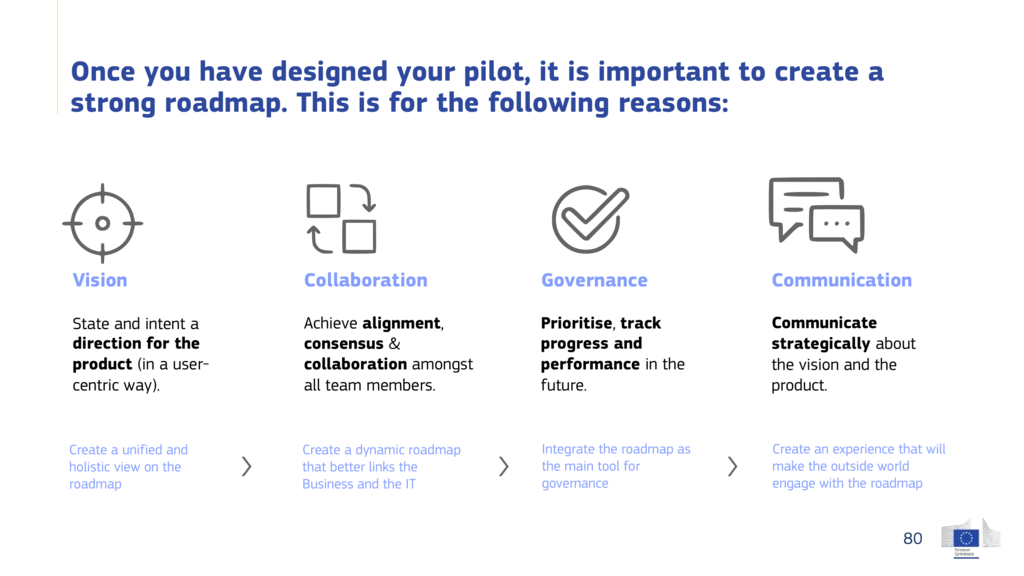
Without an actionable plan, even the most brilliant strategy is just an idea. By breaking down your objectives into manageable steps, you create momentum and ensure that the entire organization is moving in the same direction, together.
What is the primary purpose of strategic planning as described for a COO?
A company identifies that a key competitor is facing financial instability. In a SWOT analysis, this would be classified as a(n) _________.
With these foundations, you're better equipped to guide your organization not just through the next quarter, but toward a successful and sustainable future.