Mastering the Card Game Cribbage
Introduction to Cribbage
A Classic Card Game
Cribbage has been around for a long time. It was invented in the 17th century by an English poet named Sir John Suckling. It quickly became a popular pastime in pubs and homes, and it's still widely played today.
Unlike many card games that rely purely on luck, Cribbage is a thoughtful mix of chance and strategy. The cards you're dealt are random, but what you do with them is entirely up to you. This blend makes every game a fresh challenge.
The Goal
The objective of Cribbage is straightforward: be the first person to score 121 points. It's a race to the finish line. Points are earned in different ways throughout the game, and you track your progress not with a pen and paper, but with a special scoring board.
Tools of the Trade
You only need two things to play Cribbage: a standard 52-card deck and a cribbage board. In Cribbage, Kings are high and Aces are low. The suits don't matter for scoring, only the numerical value of the cards.
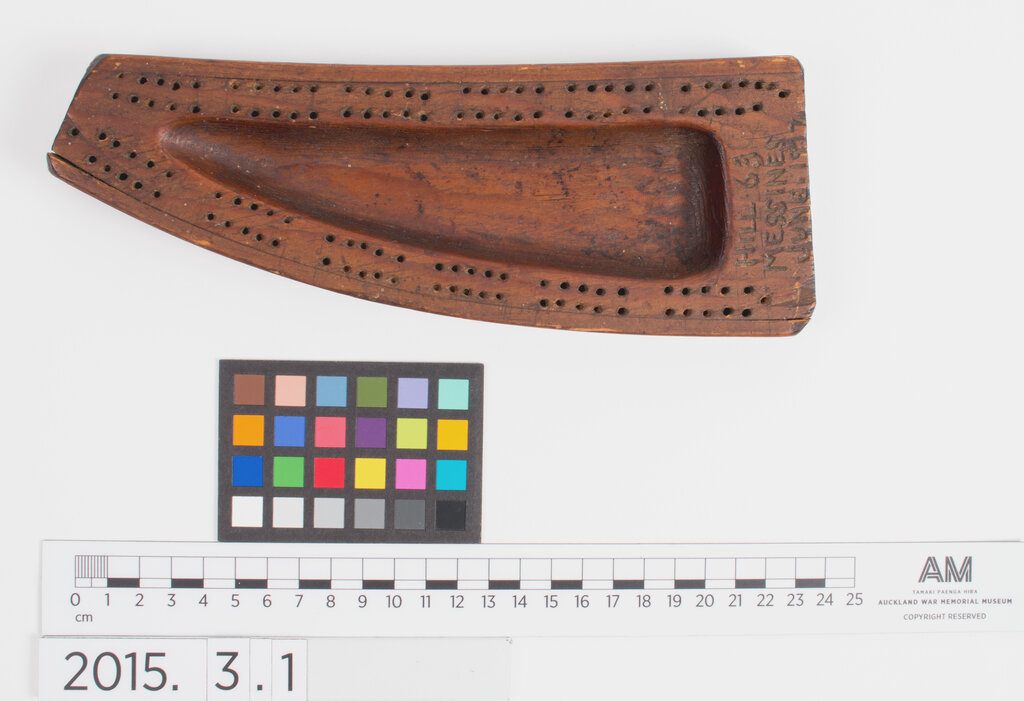
The cribbage board is the game's most iconic feature. It's a wooden board with a series of holes for pegs. Instead of writing down scores, players move their pegs along the track on the board. A typical board has two tracks of 120 holes, plus a final hole for the 121st point, known as the 'game hole'.
How a Round Works
Each round, or 'hand', of Cribbage unfolds in three distinct phases. Understanding this flow is key to learning the game.
The three phases of a Cribbage hand are The Deal, The Play, and The Show.
First is The Deal. Each player receives a hand of cards. They look at their cards and choose two to discard face-down. These discarded cards form a special hand called the 'crib' or 'box', which will be scored by the dealer later.
Next comes The Play. Players take turns laying down one card at a time, adding up their values as they go. During this phase, you can score points for hitting certain totals or creating specific combinations.
Finally, there's The Show. After all cards have been played, players reveal their hands and count up the points based on the combinations they hold. The dealer then gets to score the crib as well.
This cycle of dealing, playing, and showing continues until one player's peg crosses the finish line at 121 points.
Now that you have an overview of the game's history and structure, you're ready to dive into the specific rules of scoring.