Mastering the California Bar Exam
California Professional Responsibility
Navigating California's Unique Ethical Landscape
While most of the United States looks to the American Bar Association's (ABA) Model Rules for ethical guidance, California carves its own path. Lawyers practicing in the Golden State are governed by the California Rules of Professional Conduct (CRPC) and the State Bar Act. This isn't just a matter of different numbering; California's rules often impose stricter duties and create unique obligations that every attorney must master.
The key takeaway is this: When in California, never assume the ABA Model Rule applies. The CRPC is the ultimate authority.
The Confidentiality Fortress
One of the most significant departures from the ABA Model Rules is California's duty of confidentiality. It's close to absolute. Under Business and Professions Code § 6068(e)(1), an attorney has a duty "to maintain inviolate the confidence, and at every peril to himself or herself to preserve the secrets, of his or her client."
This language is far stronger than the ABA's. The ABA Model Rule 1.6 allows disclosure to prevent reasonably certain death or substantial bodily harm, and also to prevent a client from committing a crime or fraud that is reasonably certain to result in substantial injury to the financial interests or property of another. California's rule is much tighter.
The primary exception is narrow: an attorney may, but is not required to, reveal confidential information to the extent the attorney reasonably believes the disclosure is necessary to prevent a criminal act that is likely to result in death of, or substantial bodily harm to, an individual. There is no corresponding exception for preventing financial harm.
| Situation | ABA Model Rule 1.6 (Permissive Disclosure) | California Rule (Permissive Disclosure) |
|---|---|---|
| Prevent death/substantial bodily harm | Yes | Yes, but only to prevent a criminal act |
| Prevent client's financial crime/fraud | Yes, if using lawyer's services | No |
| Obtain legal ethics advice | Yes | Yes |
Money Matters: Fees, Funds, and Insurance
California imposes several specific financial and administrative duties that diverge from the ABA model, particularly concerning fee agreements and professional liability insurance.
CRPC Rule 1.5 requires a written fee agreement if it's reasonably foreseeable that the total expense to a client, including attorney's fees, will exceed 💲1,000. The ABA rules only state that fees should be communicated, preferably in writing. California also mandates specific content for these agreements, including the basis for compensation and the respective responsibilities of the attorney and client.
Furthermore, California has a unique disclosure requirement regarding professional liability insurance. An attorney who knows they do not have such insurance must inform a client in writing at the time of engagement if the legal representation will exceed four hours. This rule promotes transparency and allows clients to make informed decisions. The ABA Model Rules have no such requirement.
Conflicts and Discipline
California's approach to conflicts of interest also has its own flavour. For instance, California law requires informed written consent for a broader range of potential conflicts, including an attorney's personal relationships or past legal work. The CRPC also contains a specific rule, Rule 1.8.1, addressing business transactions with clients, demanding a higher level of disclosure and an opportunity for the client to seek independent counsel.
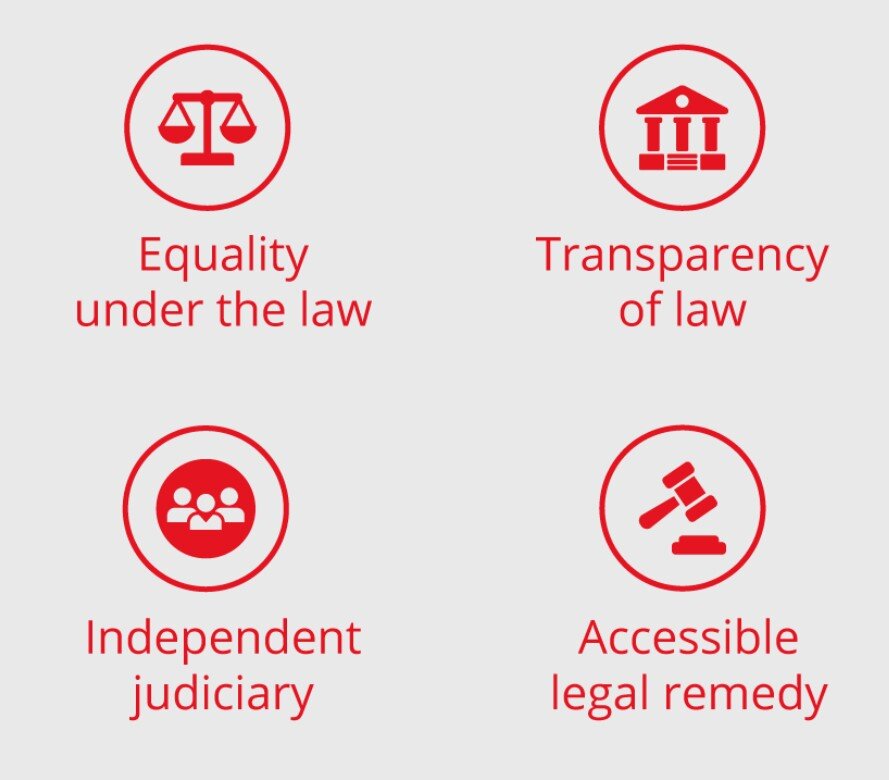
When an attorney is accused of misconduct, the standard of proof matters. Most jurisdictions use a "preponderance of the evidence" standard, meaning it's more likely than not that the misconduct occurred. California holds the State Bar to a higher standard. Disciplinary charges must be proven by clear and convincing evidence, requiring a finding of high probability before an attorney can be disciplined. This reflects a greater protection for the attorney's due process rights.
Solicitation
noun
In California, this refers to any communication concerning the availability for professional employment that is delivered in person, by telephone, or in real time electronically, to a prospective client who is not a lawyer and with whom the lawyer has no family, close personal, or prior professional relationship.
California also has specific rules against that can lead to discipline. An attorney cannot bring or continue a lawsuit, or assert a position, without probable cause and for the purpose of harassing or maliciously injuring another person. This standard is distinct from the federal Rule 11 and focuses on the attorney's subjective intent.
Let's check your understanding of these critical distinctions.
Under California's Rules of Professional Conduct, an attorney may reveal a client's confidential information without their consent in which of the following situations?
In California attorney disciplinary proceedings, the State Bar must prove the charges by __________.
Mastering California's specific rules is not optional; it is a fundamental requirement for ethical practice in the state.